
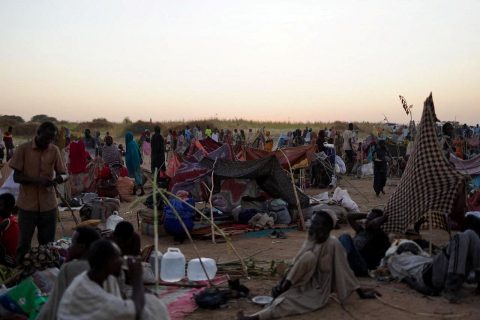
New Testimonies Reveal Brutal Atrocities in El Fasher
Harrowing new testimonies from eyewitnesses who fled El Fasher after the city fell under the control of the Rapid Support Forces (RSF) reveal widespread summary executions, sexual violence, and kidnappings. These accounts, some of the first from survivors, describe a grim scene of atrocities and human rights violations that have unfolded since the RSF seized control of the North Darfur capital on 26 October.
Amnesty International released a report detailing these testimonies, which include accounts of unarmed men being executed and women and girls subjected to sexual violence as the RSF captured the city. Survivors described witnessing groups of men being shot or beaten and taken hostage for ransom. Female survivors recounted being raped by RSF fighters, as did some of their daughters. Many interviewees reported seeing hundreds of dead bodies left in the streets of El Fasher and along the main roads out of the city.
28 Survivors Describe Horrifying Experiences
The report includes testimonies from 28 survivors who managed to reach safety in towns such as Tawila and Tina after fleeing El Fasher. Three interviews were conducted in-person in Chad, while the rest were done remotely via mobile devices. Agnès Callamard, Amnesty International’s Secretary General, emphasized the urgency of addressing these atrocities, stating that the world must not turn away from the horrors faced by the survivors.
Accountability for RSF Fighters and UAE Involvement
Amnesty International has called for accountability for RSF fighters responsible for attacks on civilians, noting that the United Arab Emirates’ support for the RSF has facilitated the violence. The organization urges the international community and the UN Security Council to demand that the UAE disengage from supporting the RSF. It also emphasizes the need for the UN Human Rights Council’s Sudan Fact-Finding Mission to have sufficient resources to investigate violations in the region.
The report highlights the importance of enforcing the UN Security Council’s arms embargo on all parties involved in the conflict, urging external actors to take necessary measures to end the sale or supply of arms to the RSF.
Survivors’ Accounts of Violence and Trauma
One survivor, Ahmed*, described his harrowing escape from El Fasher with his family. He was separated from his children and forced to continue moving north with his brother. Along the way, they picked up two girls whose parents had been killed. When they reached Golo, they were ambushed by RSF fighters, who executed his brother and others.
Another survivor, Daoud, recounted how he watched his friends die during an ambush at the city’s berm. Khalil described how he survived by pretending to be dead after RSF fighters opened fire on a group of men fleeing the city.
Badr* shared a chilling account of how RSF fighters executed elderly patients and their relatives, laughing as they carried out the killings. He was held captive and forced to pay a ransom for his release.
Sexual Violence Against Women and Girls
Ibtisam detailed the trauma of being raped by RSF fighters while escaping with her children. Her 14-year-old daughter was also raped, and she later died due to the injuries sustained. Khaltoum described how she and other women were taken to a makeshift shelter and subjected to sexual violence by RSF fighters.
Ongoing Conflict and Humanitarian Crisis
The conflict between the RSF and the Sudanese Armed Forces (SAF) began in April 2023, resulting in tens of thousands of deaths and over 12 million displaced people. This has become the world’s largest humanitarian crisis. Amnesty International has documented war crimes committed by the RSF and allied militias, including ethnically targeted attacks against non-Arab communities in West Darfur. The organization has also recorded widespread sexual violence by the RSF, which may constitute war crimes and crimes against humanity.
The flow of weapons into Sudan, particularly from the UAE, has fueled the conflict, violating the existing arms embargo on Darfur. These ongoing issues underscore the urgent need for international intervention and accountability.
Related posts:

Mother Suffers Daily Allergic Attacks After Drinking Contaminated Coffee Syrup


Challenges of Climate Change in Africa and Lessons from China’s Green Revolution

Senate joint committee finally holds hearing on Ivanhoe deal

True measure of leadership lies not in power, privilege, pageantry – Tinubu at book presentation

