
The Legacy and Potential of the Hogbetsotso Festival
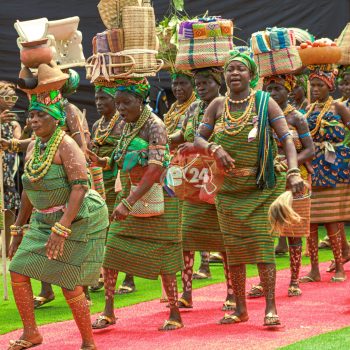
The Hogbetsotso festival stands as one of Ghana’s most cherished traditional events, embodying the spirit of freedom, unity, and cultural pride among the Anlo people. This vibrant celebration not only honors the historical journey of the Anlo from Notsie in Togo but also serves as a platform for reflection, development, and community engagement. However, despite its grandeur, there are pressing questions about accountability, development outcomes, and how the festival can better serve the socio-economic progress of the Anlo State. This article delves into these issues and explores the need for a more visionary and inclusive approach to the festival.
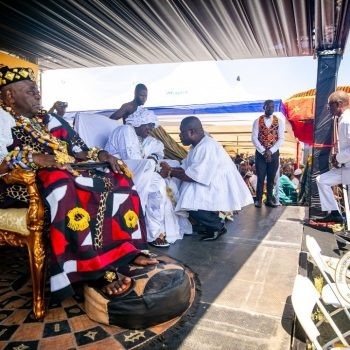
Hogbetsotsoza is a festival celebrated by the 36 states of the Anlo people, marking their freedom and migration from Notsie. Held annually, it brings together the 15 clans of the Anlo people to foster unity, provide a platform for leaders and subjects to reflect on challenges, and deliberate on solutions collectively. The festival also serves as an opportunity for leaders to account for their stewardship, initiate developmental projects, and create an environment that invites people from all walks of life to experience Anlo culture and traditions.
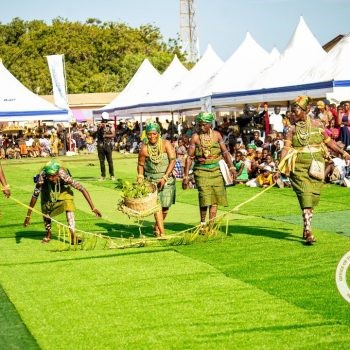
The festival has long been a significant event that unites Anlo natives both at home and abroad. For those who have been away, it offers a chance to reconnect with their roots, while for first-timers, it provides an opportunity to celebrate and learn about their heritage. Yet, over the years, the festival seems to have fallen into a routine, repeating the same patterns with little innovation. This article aims to highlight these concerns and propose ways to enhance the festival’s impact.
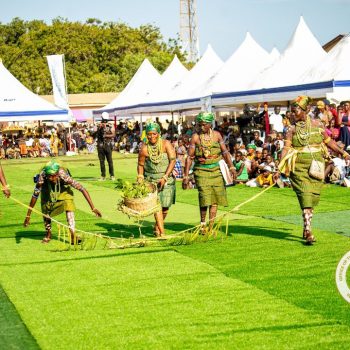
While the ritual and spiritual aspects of the festival are well preserved through sacred rites and rituals performed by chiefs and elders, this piece focuses on the socio-economic dimensions and the visible gaps that could be improved for greater impact and progress.
Key Issues and Areas for Improvement
Lack of Visible Development Outcomes
Despite the festival’s significance, there is a noticeable absence of tangible development outcomes directly linked to proceeds from Hogbetsotsoza. This raises the question: what happens to the donations and contributions made each year? A roundtable discussion involving stakeholders such as subject-matter experts, government representatives, investors, corporate Ghana, and private individuals could help harness the economic potential of the Anlo State.
Weak Accountability
Accountability appears to be lacking in the festival’s operations. Without transparent reporting, people tend to fill the information gap with their own narratives. This sentiment is widespread among locals, highlighting the need for more openness and clarity in financial management.
Need for a Broader Planning Committee
The planning committee should include professionals and accomplished Anlos from various fields. Restricting decision-making to clan heads and members of the Traditional Council limits creativity and efficiency. Including lobbyists, budget and finance experts, actuaries, event planners, and communication professionals could elevate the festival’s planning and execution.
Absence of a Secretariat
It is unclear if there is a permanent office or secretariat for the festival. Establishing one would centralize information, manage partnerships, and preserve institutional memory. This would make it easier for people to research, read, and learn about Hogbetsotsoza.
Vendor Regulation and Internal Revenue
Vendors often set up stands without formal accreditation or engagement from organizers. A coordinated system run jointly by the festival secretariat and the district assembly could accredit vendors, collect reasonable fees, and formally acknowledge their participation.
The Mama Hogbe Pageant – A Missed Spark
The Mama Hogbe Pageant Show is often poorly organized, with limited publicity, sponsorship, and poor timing. Hosting the show in reputable venues and improving the quality of prizes could enhance its prestige and appeal.
Lack of Competitive Sports and Youth Engagement
The absence of competitive sports programs among the 36 states is another missed opportunity. A small entrance fee could fund such events while promoting camaraderie and healthy competition.
Conclusion
The Hogbetsotso festival is a legacy of immense cultural depth and potential. It holds social and economic power when harnessed correctly. To realize this potential, the festival must embrace accountability, transparency, creativity, and professionalization. By opening the festival to structured partnerships and community participation, the Anlo people can ensure that Hogbetsotsoza not only tells the story of escape but also the story of progress.
For a visionary people whose ancestors saw far beyond the walls of Notsie, it is time to channel that same foresight into how we celebrate and manage Hogbetsotsoza. The festival must evolve to reflect the values of progress and innovation while preserving its rich heritage.


