
The Rise of Digital Banking in Nigeria
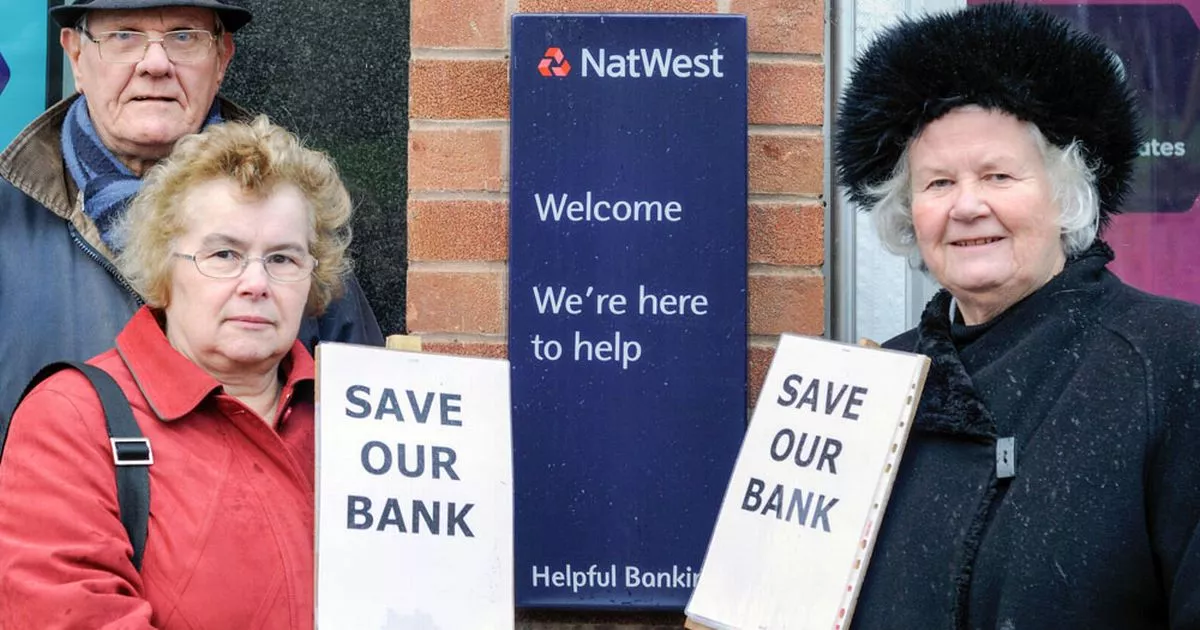
Nigeria’s banking sector has undergone a significant transformation over the past year, with a notable shift from traditional physical branches to digital platforms. According to the Central Bank of Nigeria’s 2024 financial sector statistical bulletin, the number of Deposit Money Bank branches across the country dropped from 5,373 in 2023 to 5,144 in 2024. This decline reflects a broader trend as customers increasingly rely on Point of Sale (POS) terminals for their daily transactions.
The data includes branches and cash centers of commercial, merchant, and non-interest banks operating in all 36 states and the Federal Capital Territory. Despite the total number of licensed banks increasing from 33 to 35 in 2024, the overall physical presence of banks has shrunk, indicating a rapid migration towards electronic platforms.
Surge in POS Transactions
One of the most striking developments is the sharp increase in POS transactions. The volume of POS transactions rose from 9.85 billion in 2023 to 13.08 billion in 2024, representing an increase of about 3.23 billion transactions or roughly 33% year on year. More significantly, the value of POS transactions more than doubled, jumping from N110.35 trillion in 2023 to N223.27 trillion in 2024—an increase of about N112.93 trillion or 102%.
This surge underscores the growing preference for POS terminals over traditional banking halls. While ATM usage also increased, it did so at a much slower pace. ATM transaction volumes rose from 1.01 billion in 2023 to 1.02 billion in 2024, reflecting less than one percent growth. The value of ATM transactions increased from N28.21 trillion to N29.12 trillion, an increase of about N909 billion or just over three percent.
Regional Variations in Branch Closures
The contraction in branch networks was not evenly distributed across the country. Lagos State, which remains Nigeria’s banking hub, still accounted for the highest number of branches with 1,521 in 2024. However, the state also recorded a decline of 11 branches, down from 1,532 in 2023. Despite this, Lagos continued to dwarf all other states, with more than five times the number of branches than any other state.
Ebonyi State recorded the single largest decline nationwide, losing 89 branches in one year. The number of branches in the state crashed from 120 in 2023 to just 31 in 2024. Other states that saw significant contractions include Oyo, Niger, Ekiti, and Ondo. Oyo State lost 26 branches, bringing the total to 200. Niger State saw a 32-branch decline, from 108 in 2023 to 76 in 2024. Ekiti State recorded a reduction of 18 branches, from 83 to 65, while Ondo State also dropped by 18 branches from 127 to 109.
Other states that experienced meaningful closures included Anambra and Ogun, each losing eight branches. Cross River lost five, and Plateau lost seven branches. The Federal Capital Territory also shed nine branches, bringing the total to 391 in 2024, down from 400 the previous year. This indicates that branch closures are not limited to rural or semi-urban areas but are occurring even in major population and commercial centers.
Branch Expansion in Certain Areas
Not all states experienced shrinking bank footprints. Some areas recorded increases in the number of branches. Delta State added six new branches, rising from 182 to 188. Rivers State increased from 272 to 280. Edo, Kaduna, and Kano each gained eight additional branches in the year. Katsina added three, Adamawa and Jigawa added two each, while Kogi gained one.
These increases suggest that branch expansion now tends to follow areas with rising commercial activity or population growth, even while the national total continues to fall.
Changing Financial Landscape
Banks and their customers in Nigeria are now operating within a rapidly changing financial system, where new regulations and technological adoption are forcing lenders to rethink how services are designed and delivered. At the same time, persistent inflationary pressures mean customers are increasingly sensitive to bank charges, reliability issues, and transaction security, according to the latest 2025 KPMG West Africa Banking Industry Customer Experience Survey.
The KPMG report highlights that as more Nigerians migrate from physical branches to digital channels and POS terminals, expectations around speed, transparency, and problem resolution have risen sharply. While trust and integrity remain the strongest factors shaping public confidence in banks, the survey found that patience with failed transactions, delays, and complex service processes is declining.
Impact of Fintechs on Banking
Financial sector analysts have linked the rise in POS usage to several structural shifts, including cash scarcity episodes, widening agent banking networks, mobile wallet adoption, the growth of informal retail payments, and the convenience of accessing financial services closer to homes and markets rather than visiting a formal branch.
The KPMG report further notes that expanded POS networks and mobile wallets have entrenched the relevance of fintechs in daily financial activity, positioning them not just as alternatives to banks, but as primary channels for daily financial interactions.
Challenges in Cash Availability
Despite the surge in POS transactions, there were challenges in cash availability. In December 2024, POS agents hiked charges by about 100%, collecting up to N200 per N5,000 withdrawal. Many Nigerians were at the mercy of POS operators as most banks’ ATMs were empty. Inside the banks, there was no reprieve as most turned customers away for lack of cash, and in rare cases where customers were able to get cash, they were limited to N10,000 or N20,000 withdrawals.
This situation occurred despite the Central Bank of Nigeria’s warning to banks that any bank found not dispensing cash via ATMs would be sanctioned. The CBN later sanctioned nine Deposit Money Banks with fines totaling N1.35 billion for failing to ensure cash availability via Automated Teller Machines during the festive season. Each of the banks was fined N150 million following spot checks that revealed non-compliance with the apex bank’s cash distribution guidelines.


