
BBC Staff and Mental Health Crisis
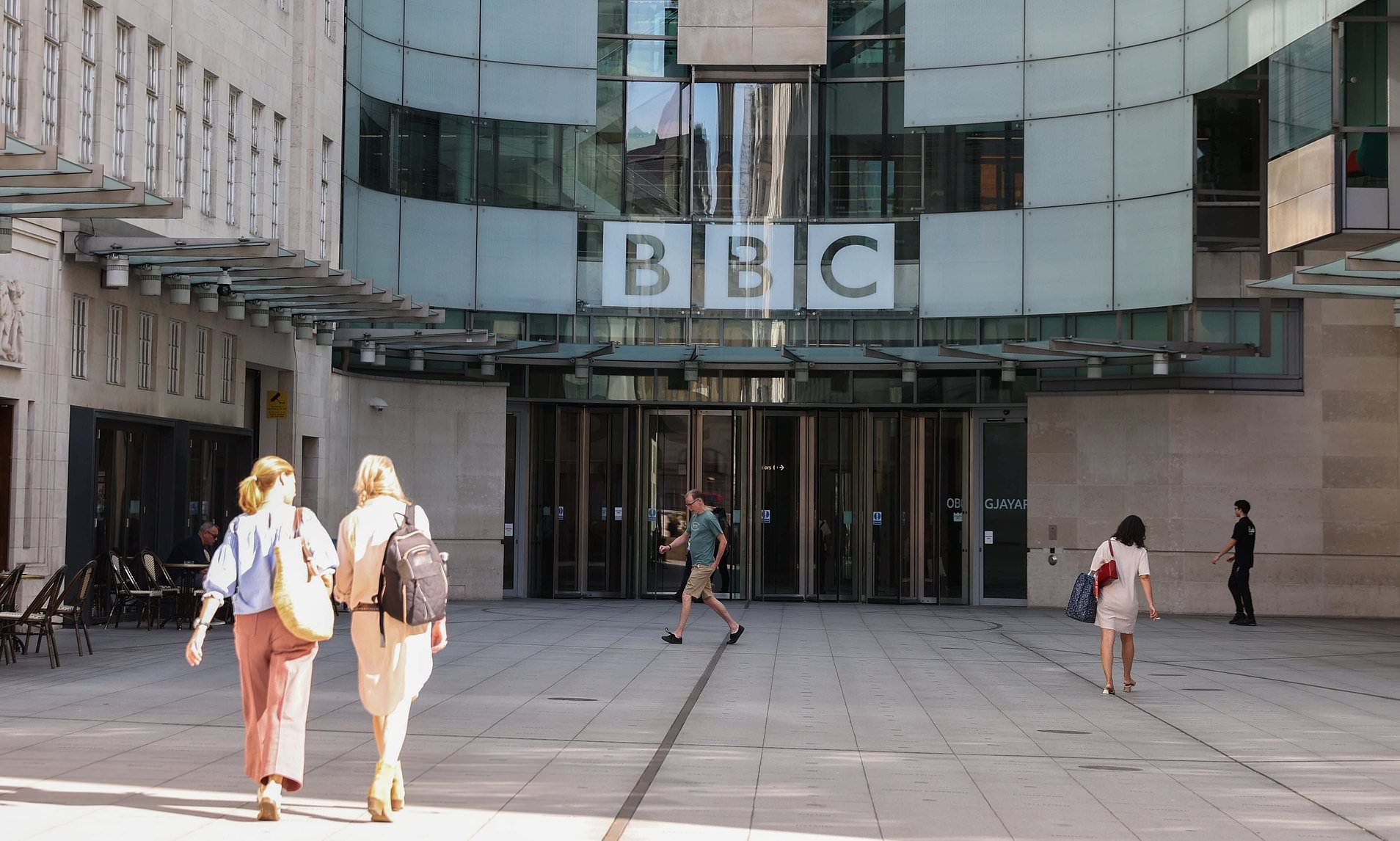
BBC staff took 20,000 sick days for mental health last year, with stress, depression, and anxiety being widespread at the taxpayer-funded broadcaster. A total of 20,884 days of work were lost due to psychological reasons in the year ending March. These accounted for a fifth of all sickness absences during that period, according to data obtained through a Freedom of Information (FOI) request by the Sunday Telegraph.
However, employee mental wellbeing at the Beeb may be even worse than these numbers suggest. It could also be behind the more than half of sick days for which no reason was given. Physical illness resulted in over 36,000 days of absence from work.
Broadcast workers took an average of 6.7 sick days each across the year—below the national figure of 9.4. The BBC figures, however, do not include the organization’s commercial department, which is not funded by licence fee payments from the public.
UK Worklessness Crisis
It comes as sick leave surges to record levels across the UK, with more than three million jobless households across the country. Almost 40 per cent of people living in a house where no adult family member is employed are now out of work because they are sick or disabled.
Meanwhile, the proportion of working-age adults not in a job because they were unemployed, retired early, or studying full time fell last year. The proportion of people in a jobless household not working because they are sick or disabled has ballooned since the pandemic. It is now at its highest level since records began in 2006.
A BBC spokesperson said: ‘While this level of absence broadly reflects what we see happening across the UK, the welfare of our staff is of paramount importance, and we have a wide range of measures in place to support people who need it.’
Record Increase in Jobless Households
New figures highlighting Britain’s worklessness crisis show the total number of jobless households increased by 129,000 in the year to December 2024. Workless households increased from 2,955,658 (13.9 per cent of all households) in 2023 to 3,085,497 (14.4 per cent of all households) in 2024, according to the Office for National Statistics (ONS). This is the highest figure for almost a decade.
In the year to December 2024, a record 39.2 per cent of people in jobless households were out of work due to sickness/disability. This is up from 38 per cent in the year to December 2023.
Shadow Work and Pensions Secretary Helen Whately said the figures should set Britain’s ‘warning lights flashing red’ as ‘the takers are beginning to outweigh the makers’. She added, ‘Year after year [under the Conservatives] worklessness went down. As ever under Labour, the numbers are going in the wrong direction. And it’s not just stats – there’s a human cost behind the numbers. Families dependent on benefits, children growing up without the role model of working parents, and ever higher taxes hitting the pockets of those who are in work to pay for these benefits.’
Public Sector Absences
Public sector workers have been found to be 60 per cent more likely to be off work due to illness than employees in the private sector. The share of sickness absences across the UK last year among public sector employees was 2.9 per cent, according to the ONS. This is significantly higher than the private sector’s 1.8 per cent.
It could be explained by differences in types of jobs in the sectors, the independent statistics agency said. Workers in state-funded jobs were more likely to be paid for being off than those in private employment, it added.
But John O’Connell, chief executive of the TaxPayers’ Alliance, said: ‘Taxpayers are fed up with footing the bill for a public sector that’s far more likely to be off sick. It reflects poor management and weak accountability. In the private sector, this would raise serious questions – in the public sector, it’s too often ignored. Ministers must set clearer expectations, better oversight and ensure taxpayers aren’t left footing the bill for unchecked absenteeism.’
Sick rates have been higher in the public sector for every year on record, the ONS said. But in both cases, rates were lower last year than in 2023.

Rising Cost of Sickness and Disability Benefits
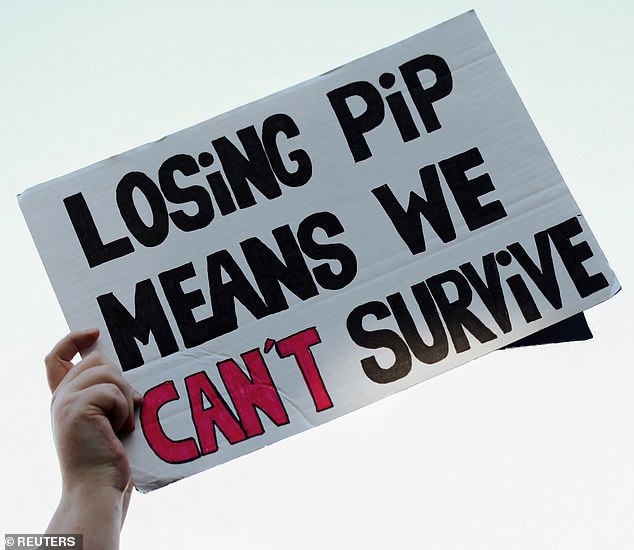
The cost of sickness and disability benefits for working-age people has ballooned by £20 billion since the pandemic. Projections show this is due to hit £100 billion by 2029-30—up from £65 billion in 2023-24.
The crisis has seen Labour try to slash £5 billion from the nation’s welfare costs—which brought on major infighting. The government won a vote on its benefits bill by just 75 votes back in July, only after offering last-minute concessions to rebels within the party.

Youth Employment and Welfare Policies
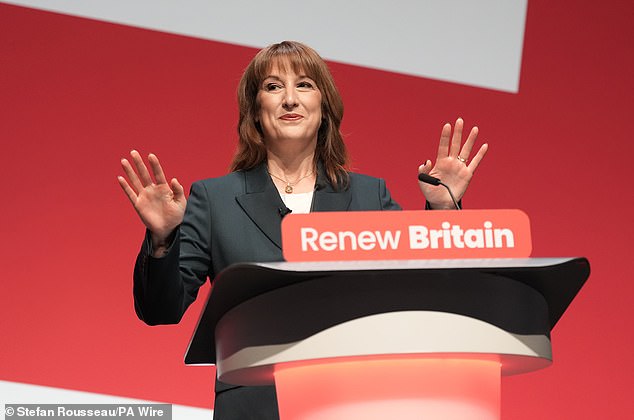
The Treasury has taken on youth unemployment with the Chancellor’s ‘youth guarantee’. The scheme will offer paid work to 18 to 21-year-olds who have been on universal credit for 18 months without earning or learning. If they refuse without a good reason, they will be stripped of their benefits, Ms Reeves said.
But thousands of youngsters on sickness benefits will not be included in the scheme, the Treasury confirmed. It means young people signed off work with anxiety or depression will not be forced to try one of the government-backed jobs.
The Tories have warned the scheme risks ‘incentivising’ those who ‘game the system’. Shadow work and pensions secretary Helen Whately told the Daily Mail: ‘Rachel Reeves’s so-called youth jobs guarantee is already unravelling. By excluding young people on sickness benefits, it risks trapping many on welfare and even incentivising those who game the system. Worse still, Labour’s £25 billion jobs tax and Unemployment Rights Bill makes it harder for businesses to hire and for young people to get on.’

Challenges Facing Young People
Almost a million 16 to 24-year-olds—equivalent to one in eight—are not in education, employment or training, known as NEETs. Imran Tahir, senior research economist at the thinktank the Institute for Fiscal Studies (IFS), said: ‘The key test for this policy will be whether it helps young people move into sustained jobs, rather than simply providing temporary placements. And for that to happen, the precise design of the policy – and its ability to encourage employers to sign up to offer these placements – will be critical.’


