
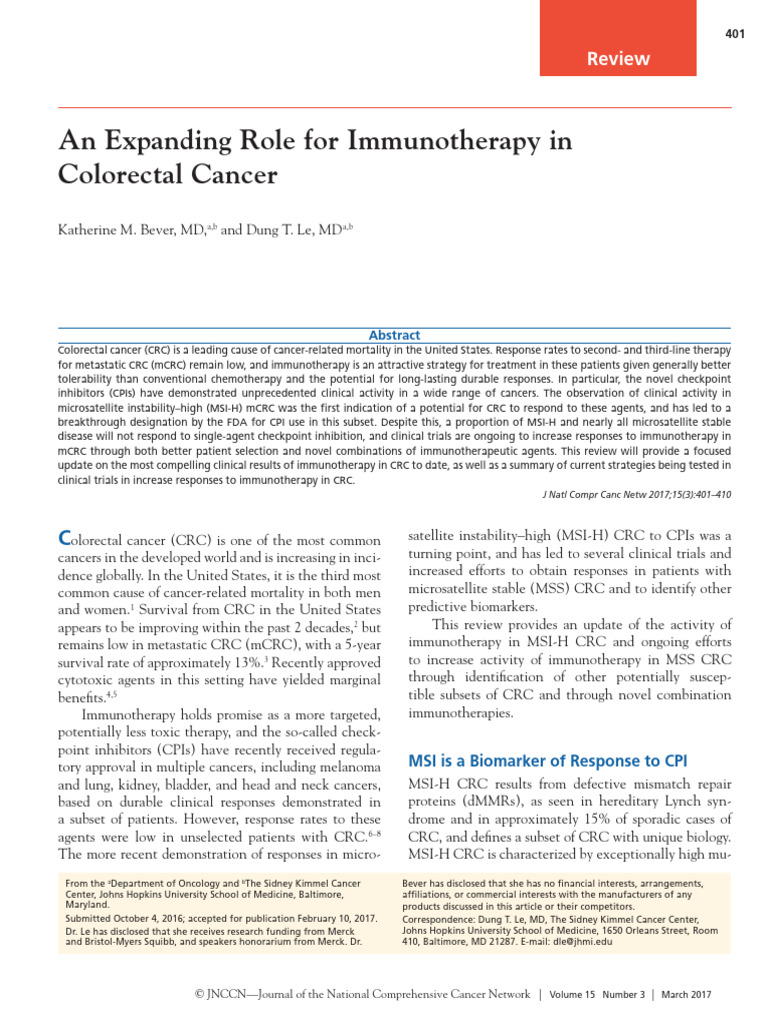
A New Hope for Colorectal Cancer Patients in Nigeria
Experts have initiated the first immunotherapy clinical trial in Nigeria to treat colorectal cancer, marking a significant step forward in the fight against this deadly disease. This groundbreaking initiative offers new hope to patients battling advanced stages of colorectal cancer, particularly those who have not responded well to traditional treatments.
The trial, which is one of the first in sub-Saharan Africa, involves the use of immunotherapy—a treatment that leverages the body’s immune system to combat cancer. Patients will receive this treatment free of charge, highlighting the commitment of the participating institutions to improve access to innovative care.
The team of experts comes from several reputable institutions, including Medserve, Obafemi Awolowo University, and Lagos University Teaching Hospital (LUTH) in Nigeria. They are collaborating with Memorial Sloan Kettering Cancer Center, a leading institution in cancer care based in the United States.
The Trial: PD-1 Blockade in Mismatch-Repair Deficient Colorectal Cancer
The study, titled “PD-1 Blockade in Mismatch-Repair Deficient Colorectal Cancer in Nigeria,” is a Phase II clinical trial. During the trial, doctors will test a drug called tislelizumab, which works by blocking a specific protein known as PD-1. This protein is used by cancer cells to evade the immune system, making it difficult for the body to recognize and attack the disease.
Before the trial could begin, it underwent rigorous review and received full approval from both the National Health Research Ethics Committee and the National Agency for Food and Drug Administration and Control. These approvals ensure that the trial meets the highest standards of safety and ethics.
Patients will be enrolled at two specialized centers: the Obafemi Awolowo University Teaching Hospital in Ile-Ife and the Medserve LUTH Cancer Centre in Lagos.
The Burden of Colorectal Cancer
According to the World Health Organization, colorectal cancer, which affects the large intestine or rectum, is the third most common cancer worldwide and the second leading cause of cancer-related deaths globally. In Nigeria, the situation is particularly dire, with over 50% of patients dying within one year of diagnosis.
Prof. Fatimah Abdulkareem, a Co-principal Investigator and professor of Anatomic and Molecular Pathology at the College of Medicine of the University of Lagos and LUTH, emphasized the urgency of finding innovative treatments. She stated that colorectal cancer is not just one disease but multiple diseases in one, and that the current options, such as chemotherapy, often do not work effectively for many patients.
Understanding Immunotherapy
Abdulkareem explained how immunotherapy works, comparing tumor cells to “villains” that the immune system should attack. However, these tumor cells produce substances that act like a brake, preventing the immune system from functioning properly. The trial aims to remove this brake, allowing the body’s natural defenses to fight the cancer.
She also highlighted that the trial will use immunohistochemistry to test patients and confirm they have the specific mismatch repair (MMR) type. Those who test positive will benefit most from the treatment, as studies show that this particular type of colorectal cancer responds exceptionally well to immunotherapy.
Study Structure and Patient Selection
Dr. Eben Aje, a member of the team and a consultant clinician and radiation oncologist at Medserve LUTH Cancer Centre, outlined the structure of the trial. It is an open-ended pilot study aimed at gathering preliminary data on the use of immunotherapy in patients with active colorectal cancer.
The trial will focus on two specific groups. Cohort 1 includes patients with localized disease, specifically Stage II and Stage III rectal cancer. Eligible patients must be treatment-naive, aged 18 years and older, and have a good performance status. For those of childbearing potential, a negative pregnancy test must be confirmed 72 hours before starting treatment.
The administration of the drug is precise, with 200mg given intravenously every four weeks. Treatment for Cohort 1 will last approximately two years, followed by a two-year follow-up period. Cohort 2 will follow a similar structure but with a seven-week cycle.
Commitment to Sustainable Care
Prof. Wasiu Adeyemo, the Chief Medical Director of LUTH, emphasized that the Medserve LUTH Cancer Centre is well-equipped to conduct the clinical trial. He also noted that LUTH has the expertise to diagnose and treat cancer.
Dr. Tolulope Adewole, CEO of Medserve LUTH Cancer Centre, stressed the importance of building a sustainable model of patient-centered care. He highlighted the need for equitable cancer care, ensuring that quality oncology care is accessible to all, regardless of location.
Conclusion
This immunotherapy clinical trial represents a major milestone in the fight against colorectal cancer in Nigeria. With the support of leading institutions and a commitment to innovation, the trial offers a promising new approach for patients who have few other options. As the trial progresses, it may pave the way for more effective and accessible treatments for colorectal cancer in Nigeria and beyond.


