A British Couple’s Struggle with Cancer Treatment in Nicaragua
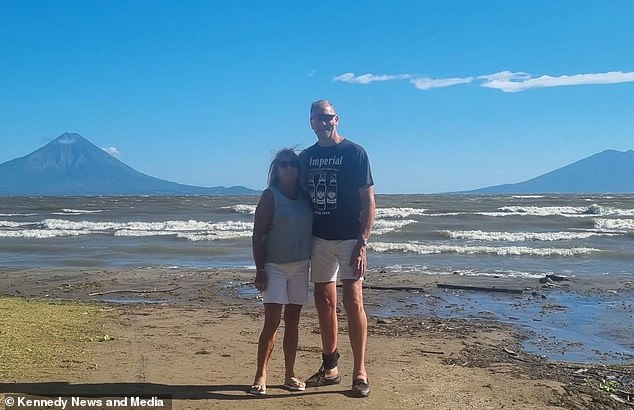
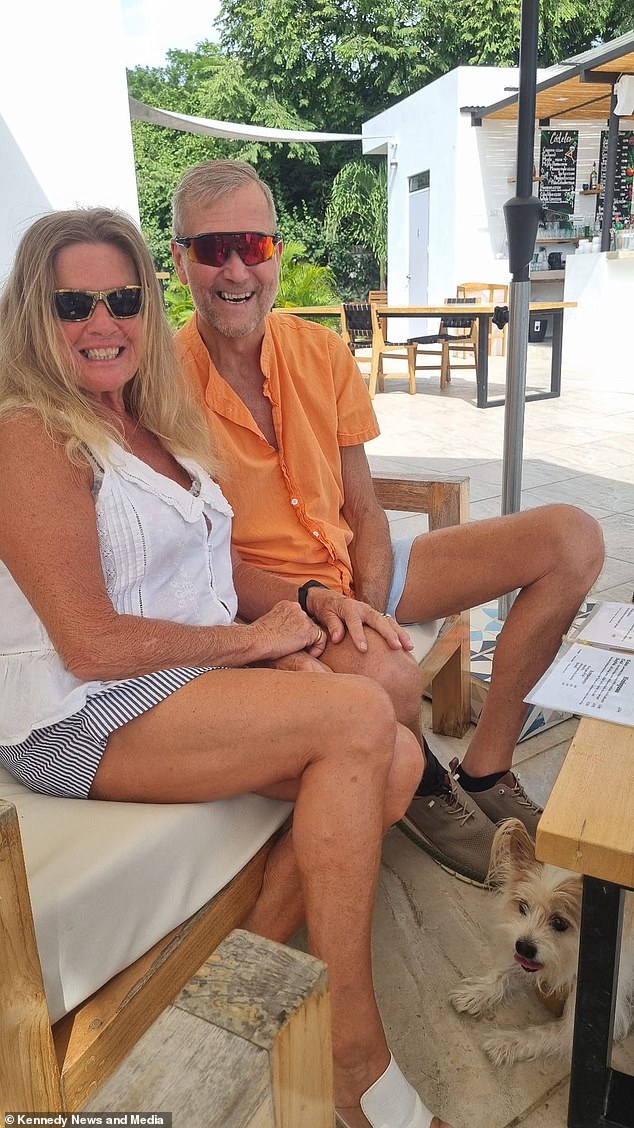
Michael and Kim West, a British couple from Dover, moved to San Juan del Sur in Nicaragua last year after receiving their state pensions. Their dream was to build a home in Central America and enjoy a peaceful retirement. However, just months after completing the £230,000 construction of their new house, Michael, 69, was diagnosed with multiple myeloma, a rare but aggressive blood cancer that affects the bone marrow.
The couple’s journey took an unexpected turn when they discovered that, due to their permanent move abroad, they were no longer automatically entitled to medical treatment under the NHS rules. This revelation came as a shock, especially since they had assumed they would still have access to healthcare in the UK.
The Diagnosis and Initial Symptoms
Kim, 68, described the initial symptoms her husband experienced: “He was losing weight and complaining of pain in his bones, chest, and pelvis.” At 6ft 6in, Michael had always been slim, but the rapid weight loss was alarming. One night, the pain in his ribs became so severe that he was almost crying. They visited a clinic where blood tests revealed abnormal results, leading to a prompt diagnosis by a local consultant.
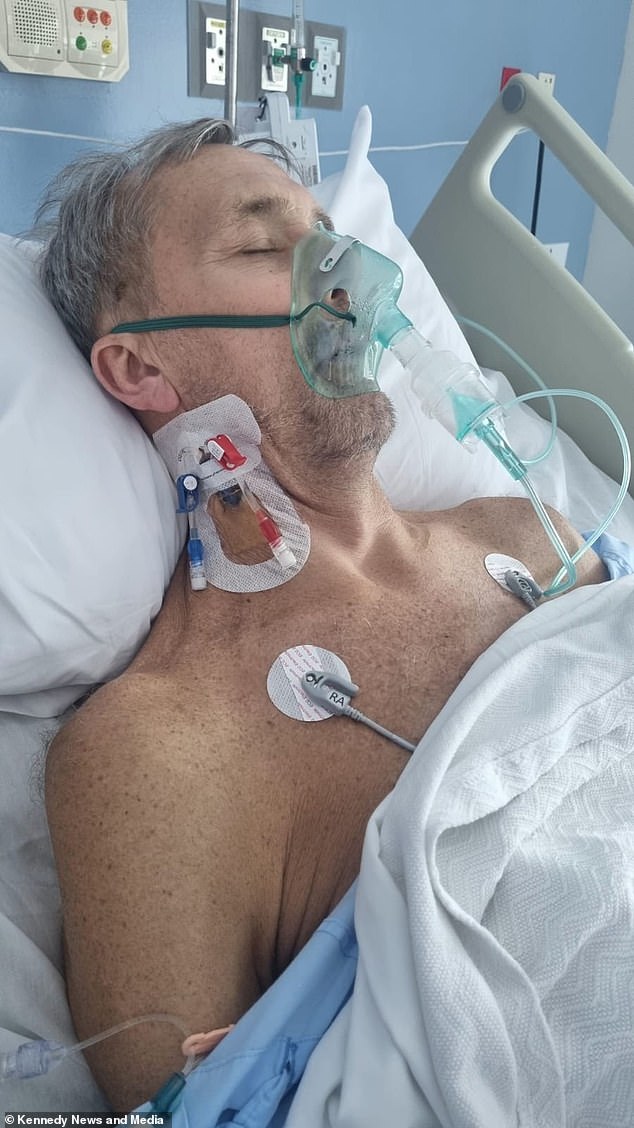
A bone marrow biopsy confirmed the doctor’s suspicions, and Michael was diagnosed with multiple myeloma in July. The healthcare system in Nicaragua, which the couple found to be better than anything they had seen in the UK, provided immediate care. However, this did not change the fact that they could no longer rely on the NHS for treatment.

Financial Struggles and Medical Expenses
So far, the couple has spent over £64,000 on treatment, a cost that has quickly drained their savings. Kim explained, “A lot of people in the UK keep asking me why we won’t come back. I was born and bred in Britain, so is Michael. We didn’t realize we can’t access the NHS except for emergencies because we don’t have a house there.”
Despite the challenges, the couple remains committed to their decision to live in Nicaragua. “It’s safer here than anywhere I’ve ever been in my whole life, and it’s a beautiful place,” Kim said. “We’ve both always been as healthy as can be.”

Understanding Multiple Myeloma
Multiple myeloma is a type of cancer that affects plasma cells in the bone marrow. It often presents with symptoms such as back pain, broken bones, fatigue, and recurring infections. These symptoms are frequently mistaken for signs of aging or minor conditions, making early detection difficult.
The disease occurs due to changes in the DNA of plasma cells, causing them to become abnormal myeloma cells that multiply rapidly. It is called multiple myeloma because it can occur in several places where bone marrow is present.


Treatment and Its Costs
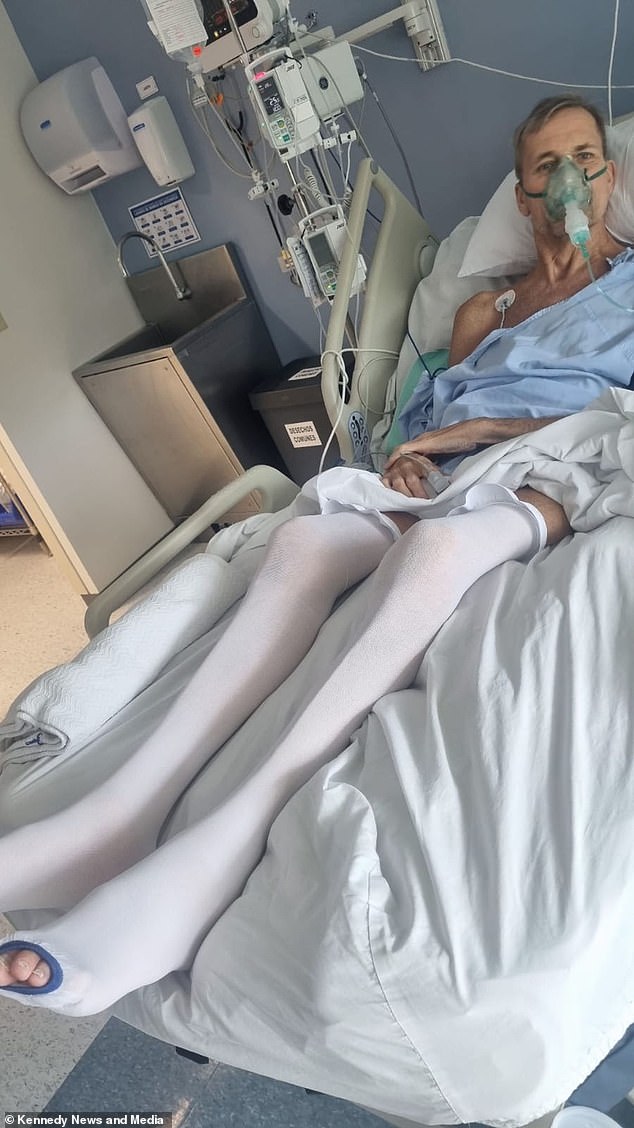
Michael started treatment immediately, including targeted medicines to kill cancer cells and drugs to prevent bone thinning and relieve pain. Each treatment session costs over £3,270. However, his condition worsened when his haemoglobin levels dropped, requiring a blood transfusion. He then spent 10 days in intensive care after showing signs of kidney disease caused by abnormal proteins secreted by the cancer cells.
“I was absolutely shocked,” Kim recalled. “I have this 6ft 6in husband who I adore, and he’s got cancer. He’s never been ill, and now he can barely walk.” The couple purchased a zimmer frame for days when Michael feels fragile, a painful reminder of his struggle.
Ongoing Challenges and Fundraising Efforts
Mr. West now requires weekly dialysis, costing nearly £460 per week. This ongoing expense continues to erode their savings as they work to raise funds to keep him alive. Kim has set up a GoFundMe page to help cover the costs of his treatment.
Multiple myeloma is considered a rare form of cancer, accounting for just 2% of all cancer diagnoses in the UK. While it can be treated, the financial burden is significant, and the couple was unprepared for the costs involved.
The NHS and Permanent Residency
The NHS operates as a residence-based healthcare system, meaning that individuals who permanently move abroad are no longer automatically entitled to medical treatment in the UK. This policy has left many Britons in similar situations struggling to access necessary care.
Meanwhile, a report highlights the challenges faced by cancer patients in the UK, where access to treatment can vary greatly depending on where a person lives. This “postcode lottery” of care has led to delays and increased stress for many patients.


Conclusion
For Michael and Kim West, the decision to retire in Nicaragua was driven by a desire for a peaceful life. However, the unexpected diagnosis of multiple myeloma has turned their dream into a challenging reality. As they navigate the complexities of treatment and financial strain, their story underscores the importance of understanding healthcare policies for those living abroad.