
The Struggle of Smallholder Poultry Farmers During the Yuletide Season
As the festive season approaches, smallholder poultry farmers in Nigeria are facing significant challenges due to rising prices and a shortage of day-old chicks. This issue has become more pronounced as the demand for chicken meat increases during the Christmas and New Year celebrations.
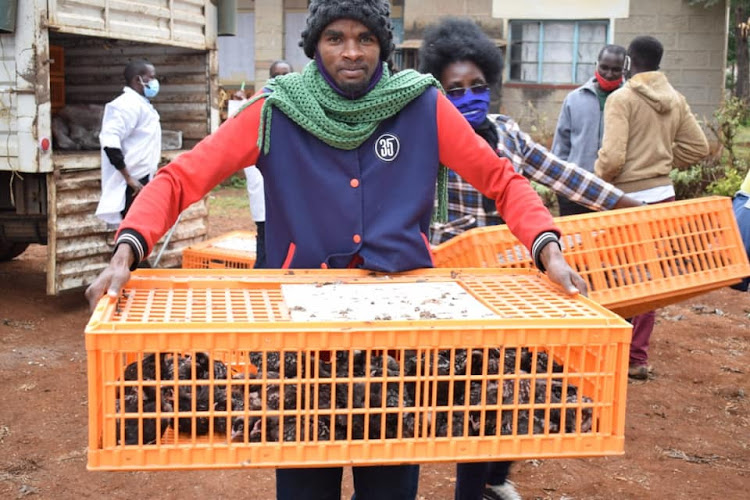
Every year, from September onwards, smallholder poultry farmers begin raising broilers, aiming to meet the high demand for chicken meat during the yuletide season. However, this year, the situation is different. Prices have surged compared to last year, raising concerns that many families may not be able to afford meat during their celebrations.
The Delta State chapter of the Poultry Association of Nigeria raised the alarm through a WhatsApp post, highlighting the daily scarcity of day-old pullets. The post questioned why there was a sudden scarcity of broilers and pullets despite the availability of raw materials and lower feed prices by some companies.
Since the onset of the COVID-19 pandemic, the poultry industry in Nigeria has faced numerous setbacks, leading to the closure of many small and medium-scale farms. According to sources, approximately 80% of the total day-old chicks hatched in Nigeria are exported to other African countries, which widens the domestic demand gap.
Many African countries pay upfront at a uniform price, making them a preferred choice for Nigerian hatcheries. This preference leads to a situation where local farmers are left with fewer resources. A former ECWA Farm Manager in Jos, Yilkes Zumunci Bitrus, who is now the CEO of Holy-Right Agro Veterinary Services, acknowledged this issue.
He explained that the reason behind the export of birds to neighboring countries is due to disease outbreaks in those regions, where the quality of local birds is lower than that of Nigerian birds. These countries seek Nigerian birds because they perceive them as superior. This preference is similar to how Nigerians often favor foreign goods over locally made products.
Zumunci also pointed out that the upcoming yuletide season is another factor contributing to the scarcity of day-old chicks and pullets. Many farms are saving and nurturing these birds for sale during December when prices are expected to be higher. This strategy helps farmers recover from losses incurred in January and February when bird prices crashed, sometimes leading to farms burning birds due to low demand.
Another challenge is the hoarding of day-old chicks and pullets by hatcheries. According to Solomon John, the public relations officer of the Plateau State Poultry Association, some hatcheries are struggling with parent stock not laying enough eggs. This further exacerbates the supply problem.
Madam Grace, a poultry owner in Jos, shared her experience of booking day-old chicks but being told she would have to wait until next year. She is now seeking alternative sources for chicks, noting that prices range between N1,800 and N1,820 for pullets and N1,750 for broilers.
In Kano, Hajara Sani, a housewife, expressed disappointment upon learning that day-old broilers were not readily available. She was informed that bookings were required, and it would take two to three months to get the supply. The prices for day-old broilers and layers were N1,700 and N1,300, respectively, with local breeds costing N600.
Dr Usman Gwarzo, chairman of the Kano State Poultry Farmers Association, attributed the scarcity to production challenges, including difficulties in procuring foreign exchange for parent stocks. He highlighted the lack of government support and banking services for poultry farmers, which makes it difficult for them to thrive.
Dr Ismail Abdulsalam, another poultry farmer, noted that farmers are struggling to replace aging birds, increasing the demand on hatcheries. He explained that while the hatching process for broilers and layers is the same, broilers offer higher profits, leading hatcheries to focus more on them.
Abba Abdu, a seller of poultry feeds and live birds, confirmed the scarcity of day-old chicks, stating that customers must wait after booking. He mentioned that some farmers supply chicks to Arab countries, contributing to the domestic shortage.
Ms Nanji Gambo-Oke, the immediate past PR officer of the Poultry Farmers Association in Plateau State, emphasized the dynamics of demand and supply. She noted that high demand drives the market, with citizens prioritizing protein in their diet due to increased disposable income.
Power shortages also impact the price of chicks, as many hatcheries operate on diesel 75% of the time. This leads to reduced capacity and financial losses during off-season periods.
Overall, the combination of factors such as export demands, production challenges, and market dynamics continues to affect the availability and pricing of day-old chicks and pullets, creating significant challenges for smallholder poultry farmers in Nigeria.


