
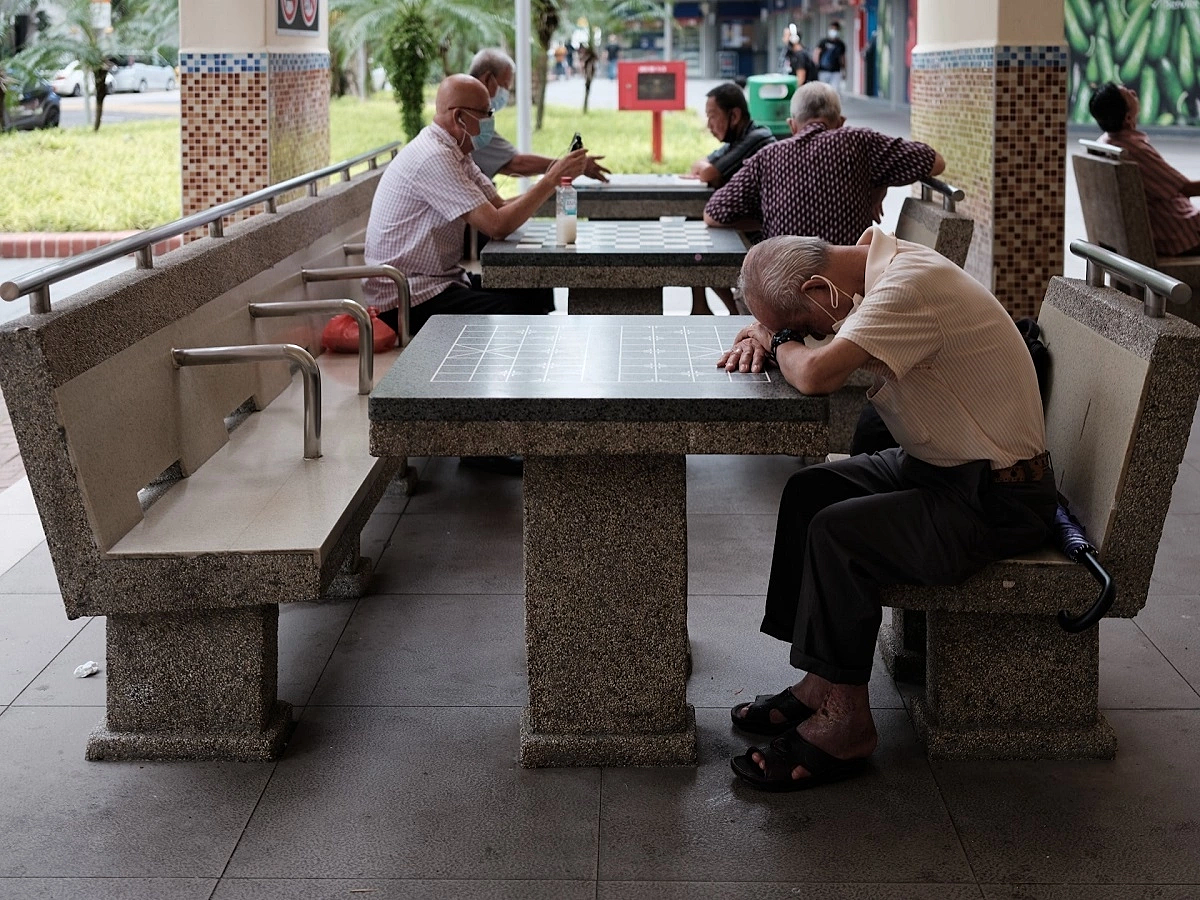
At 65, Dao is not enjoying her retirement but instead spending sleepless nights dealing with headaches and heart palpitations. This is not due to a typical age-related illness, but rather the immense pressure of supporting two children who are approaching their 40s yet remain financially dependent on her. Her son, now 39, frequently changes jobs in search of “self-discovery,” leaving his mother to bear the responsibility of supporting his wife and children. Meanwhile, her daughter, 33, works as a freelancer without a stable income but has developed a habit of relying on others for support.
Dao and her husband manage a household of nine people with their combined pension of less than VND15 million (US$600). To cover the expenses of her grandchildren’s education, she has sold her gold, used up her savings, and borrowed money from every possible source. The prolonged stress caused by this situation led to a diagnosis of anxiety disorder and an increased risk of severe depression at Mai Huong Day Psychiatric Hospital.
Hoa, 62, lives separately from his children but has never known peace. Every time a call comes from an unknown number, his heart tightens. More often than not, the voice on the other end demands: “Tell your son to pay his debt, or the family will suffer.” What once were tens of millions of dong in debts have now escalated to hundreds of millions. His son, nearly 40, is constantly in debt, and it is his aging parents who are forced to settle these obligations.
Hoa is now cautious about answering the phone or opening the front door. He wakes up suddenly at night if he hears a vehicle stopping outside. He has lost weight, become more irritable and forgetful, and suffers from palpitations and chronic insomnia. Doctors have warned him that his condition could lead to depression due to the constant stress.
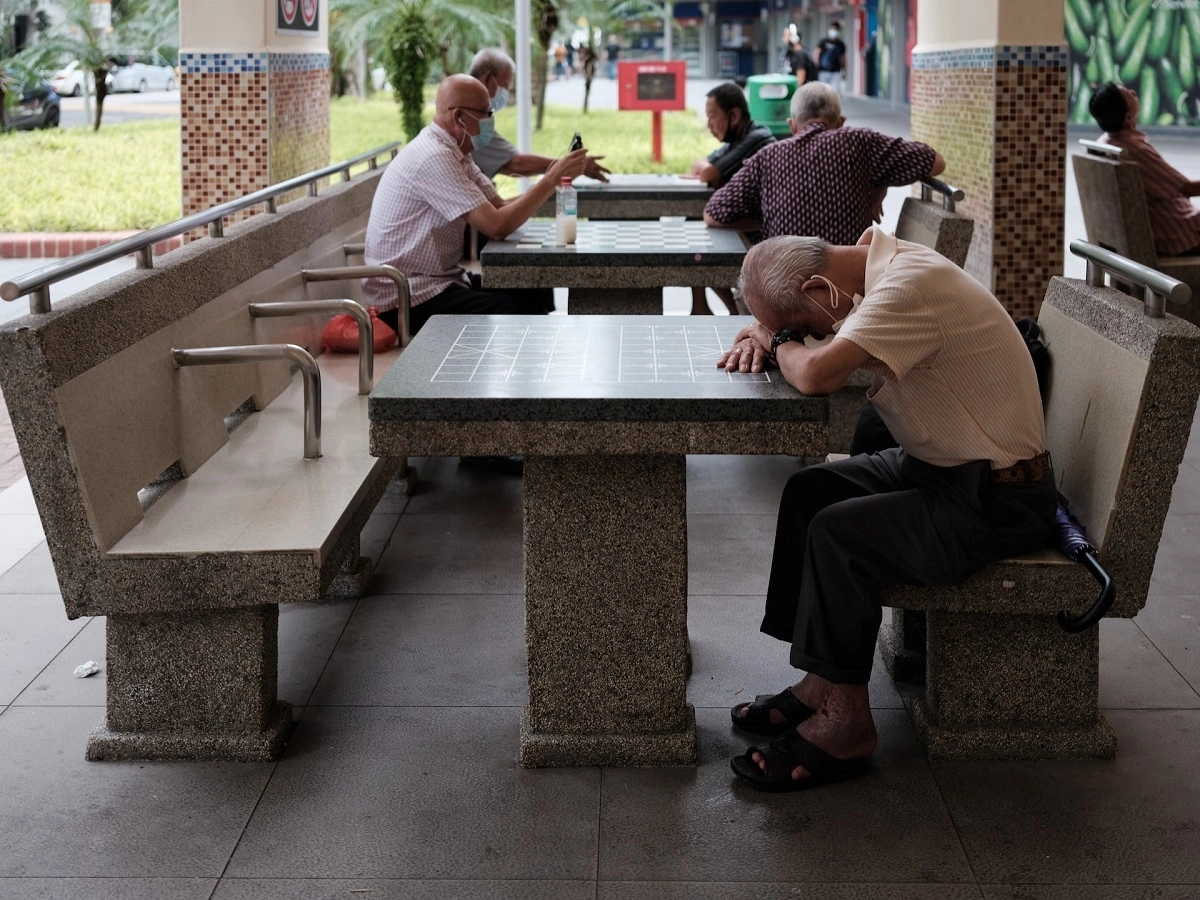
Adult children still living off their parents are causing a crisis among the elderly. Illustration photo by Unsplash
Psychologist Nguyen Thi Huong Lan, head of the psychology department at Bac Ha International University’s BHIU Training Institute, highlights that financial dependence of adult children on their parents is becoming a silent crisis for the elderly. Many individuals aged between 55 and 70 seek counseling due to prolonged insomnia, chronic anxiety about money, exhaustion, and mild to moderate depression, according to Lan.
Although there are no official statistics on the number of adults in Vietnam who live off their parents, the General Statistics Office reports that the number of unemployed people of working age increased by more than 222,000 in the third quarter of 2025. Globally, over a third of adults in the U.K. aged 35-44 still rely on parental support, as reported by the Independent. It is not only young people who live at home without full-time jobs; even adults expected to be financially independent often require help from their parents.
In South Korea, a 2022 survey by the Institute for Health and Social Affairs of 14,000 adults found that 49.7% of people in their 30s and 48.8% of those in their 40s were unmarried and living with their parents due to economic constraints.
The British use the term NEET (Not in Education, Employment, or Training) to describe individuals who do not contribute to society through labor or education, leading a parasitic life supported by their families. In France, they are called “Kangaroo children,” carried by their parents into adulthood. In China, adults who cannot be financially independent and require their parents’ protection are referred to as “giant babies.”
Lan explains that the root cause lies in many parents equating their self-worth with sacrifice, believing they should not rest while their children struggle. This mindset, combined with the fear of being alienated by their children and the pressure of “saving face” in society when children are not successful, leads them to voluntarily become unconditional financial supporters. They mistakenly believe that providing material support is the way to compensate for their children’s shortcomings.
However, the cost of this over-protection is the health and longevity of the parents themselves. Medically, constant anxiety stimulates the body to produce cortisol continuously, leading to immune deficiency and increasing the risk of cardiovascular disease, high blood pressure, and diabetes.
Socially, excessive pampering creates a generation that is passive, selfish, and lacking in survival skills and the ability to face challenges. When aging parents pass away, these “giant babies” become a double burden on the social security system.
To address this issue, experts recommend that parents set strict financial boundaries. Instead of offering unconditional support, they should adopt a “limited support” mechanism, tied to specific commitments from their children regarding independence, and absolutely refuse to pay personal debts on their behalf.
A frank dialogue about health and financial limits is essential to restoring family order. Old-age depression often does not manifest through tears but through silent endurance; therefore, early identification of signs such as insomnia and personality changes for timely medical intervention is crucial to protecting the quality of life for the elderly.


