
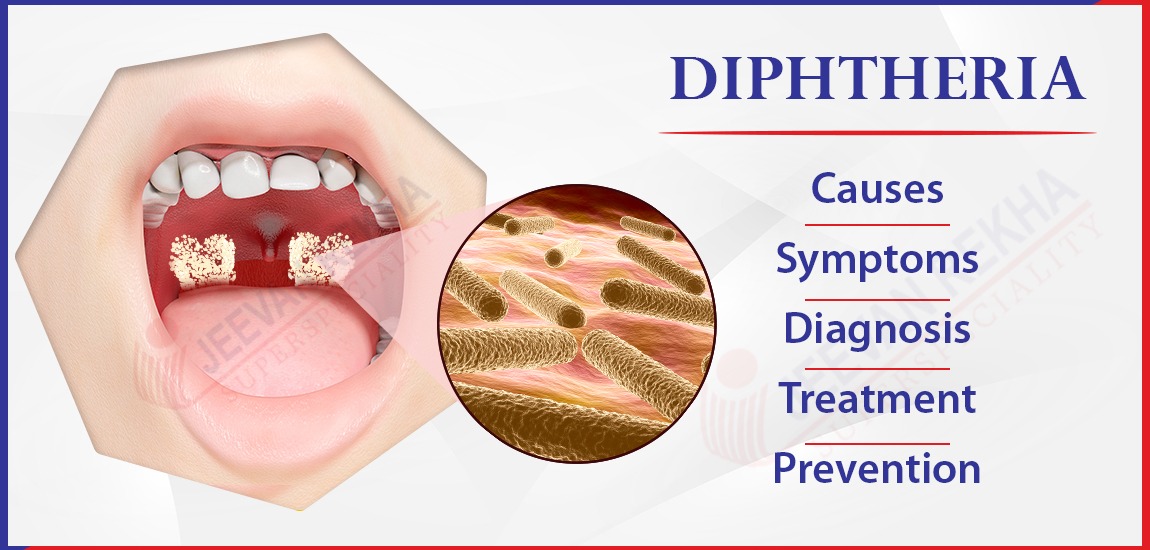
The Crisis of Diphtheria in Nigeria: A Call for Political Will
In a recent conversation with a friend who had moved to Europe, I asked her, “Why did you leave?” Her background was affluent, and medicine was more than just a career—it was a passion. Unlike many, she didn’t need it for financial survival. Yet, she chose to leave because the work no longer interested her. She described the daily routine of certifying deaths, something that could have been prevented with simple procedures and medications.
As a radiologist, she found herself overwhelmed by the lack of meaningful impact in her role. This frustration is not unique to her; it resonates with many healthcare professionals in Nigeria. The situation has only worsened with the recent resurgence of diphtheria, a disease once thought to be under control but now causing devastation across the country.
The Absence of Diphtheria Antitoxin (DAT)
Diphtheria, a preventable disease, has returned with a vengeance, claiming lives and straining an already fragile health system. While many point to inadequate vaccination coverage and waning herd immunity as the root causes, there is another critical failure: the absence or dysfunction of Diphtheria Antitoxin (DAT), the only known therapy to neutralize the toxin in symptomatic patients.
Without DAT, even the best medical care cannot undo the damage caused by the diphtheria exotoxin. In regions without DAT, case fatality rates can soar to 40%, compared to 5-10% in well-served areas. Currently, Nigeria does not have DAT available, and if it exists, it is not being distributed effectively.
The Struggle for Access
A patient recently died from diphtheria in Kano, and the antitoxin we managed to obtain was a few vials begged from Imo State. This highlights a systemic issue: despite having enough human resources and medical professionals, Nigeria continues to fail in providing basic diphtheria care.
Medical infrastructure, cold storage, funding, and supply chain challenges are real issues, but they do not excuse the failure to prioritize DAT. This is less about technical bottlenecks and more about a profound failure of political will.
The Role of Bureaucracy
The National Centre for Disease Control acknowledged that the Federal Ministry of Health procured DAT during a diphtheria outbreak and distributed it to affected states. However, many states still do not have the antitoxin in their treatment centers. If the antitoxin is in the country, why has it not been disbursed to all 36 states?
Is it held up by red tape, customs clearance, or cold chain verification? Or worse, has it been left to expire in warehouses or port depots? These questions are not excuses—they are indictments of a system that prioritizes bureaucracy over life.
The Need for Emergency Protocols
Public procurement in Nigeria is constrained by legislation, approvals, and oversight. However, when it comes to life-saving medication during an epidemic, emergency protocols must override cumbersome procedures. Medical supplies, especially those procured for outbreak response, should be exempt or fast-tracked from bureaucratic gridlock.
If protocols demand multiple layers of clearance, let them be streamlined under a wartime mentality for public health. There should be a presidential directive, emergency appropriation, and a dedicated diphtheria task force focused solely on DAT deployment.
Transparency and Accountability
If these antitoxins are rotting in warehouses or port depots, or being left unused until they lose potency, then shame on us. It is not enough to say “it’s being procured” or “it has arrived.” State ministries of health deserve transparency. Publish a public dashboard showing the number of DAT vials in stock, where they are stored, when shipments depart to each state, and when they arrive.
Let the press follow up. Let the public judge. We have been sold on “arrived at Lagos port” lines before, yet months later, patients in the north still struggle to receive DAT. We must ask: has the federal government released the funds to clear the shipment? Has the cold chain been inspected? Have the state governments accepted the consignment?
The Impact of DAT on Patient Outcomes
A 2025 hospital-based study of 246 diphtheria patients in Nigeria revealed that among those who received DAT and standard care, outcomes were better. In that cohort, roughly 81% got antitoxin, and the overall fatality rate, while still high (23.6%), was lower than prior reports in settings without antitoxin.
Unlike some claims that lack scientific backing, DAT is not just academic—it saves lives. Those who don’t get DAT, or get it late, face complications like myocarditis, neuropathies, and airway obstruction. In a nation where many families struggle to access basic hospital care, denying them DAT is not just medical failure—it is moral.
A Preventable Catastrophe
Nigeria is currently witnessing a preventable health catastrophe. We do not lack medical minds, NGOs, or aid. What we lack is the foundational act of political will to ensure life-saving antitoxin reaches every treatment center, every state, every patient.
And in that lack of political will lies criminality.
Related posts:

Mother Suffers Daily Allergic Attacks After Drinking Contaminated Coffee Syrup


Challenges of Climate Change in Africa and Lessons from China’s Green Revolution

Senate joint committee finally holds hearing on Ivanhoe deal

True measure of leadership lies not in power, privilege, pageantry – Tinubu at book presentation

