
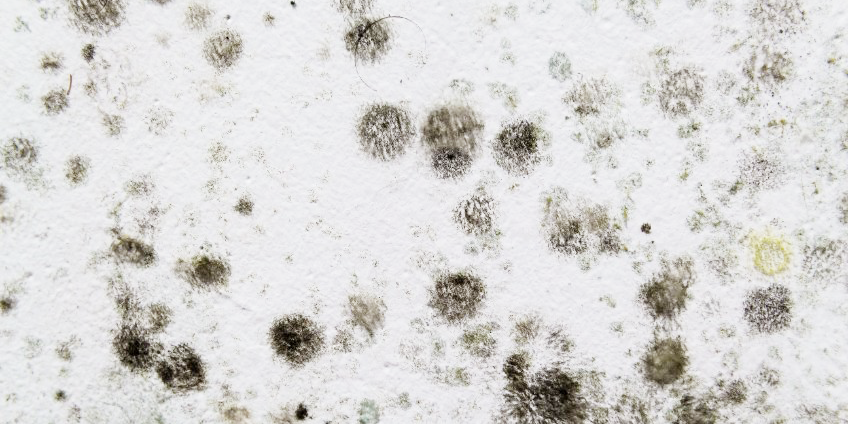
The Growing Threat of Mould in Homes
Public health experts have raised alarms about the increasing dangers associated with mould exposure in homes, emphasizing that vulnerable populations such as children, the elderly, and individuals with pre-existing respiratory or immune conditions are at the highest risk of severe complications. Mould, a type of fungus, thrives in environments characterized by high humidity, moisture, and poor ventilation, making it a common problem in many households.
Common Sources of Mould
Experts have identified several common sources of mould within homes. These include leaking roofs, damp walls, water-damaged basements, and poorly ventilated bathrooms and kitchens. Additionally, materials like carpets, upholstery, and insulation can retain moisture, creating ideal conditions for mould growth. Mould often appears as coloured patches on wet surfaces, particularly in areas with limited air circulation. This can make it difficult to detect until symptoms begin to manifest.
Health Risks of Mould Exposure
Mould releases spores into the air that, when inhaled, can trigger a range of health issues. These include allergies, respiratory problems, sneezing, catarrh, wheezing, and even asthmatic attacks. According to Professor Tanimola Akande, a public health expert from the University of Ilorin, these spores can have serious consequences, especially for those with weakened immune systems or chronic respiratory conditions.
“Children, the elderly, and people with low immunity or pre-existing respiratory conditions like asthma are most at risk. Their systems react more severely to airborne spores,” he warned. He also pointed out that many people may not realize that recurring symptoms such as coughs or catarrh could be caused by indoor mould.
Identifying and Addressing Mould
Mould often grows in hidden corners of the home, including damp walls, under sinks, behind furniture, and in moisture-retaining areas like kitchens and bathrooms. It can appear as patches of different colours and textures, which may go unnoticed until they start causing health issues. Professor Akande emphasized that once people begin cleaning mould with ordinary water, they may inadvertently release spores into the air, leading to further inhalation and health risks.
Prolonged exposure to mould can lead to frequent respiratory infections, worsened asthma attacks, and allergic flare-ups. For individuals with compromised immunity, this can result in life-threatening opportunistic infections. “Over time, exposure to mould doesn’t just cause minor irritation; it can complicate chronic respiratory diseases,” he said.
Preventive Measures and Solutions
To prevent mould growth, experts recommend controlling indoor humidity levels. Humidity above 60 per cent is considered risky, and anything above 70 per cent creates an environment conducive to rapid mould growth. Maintaining humidity below 60 per cent, along with proper ventilation, can significantly reduce the risk.
Professor Akande advised homeowners to fix leaks promptly, improve ventilation, and dry wet areas quickly. He also encouraged seeking professional help if mould persists or spreads across large areas. “Clearing out mould, especially when it’s extensive, isn’t a DIY matter. Get professional advice or services to safely remove it,” he added.
Dr. Solomon Olorunfemi, a Senior Registrar in Community Medicine and Primary Care at the Federal Medical Centre, Abeokuta, echoed these concerns. He described mould exposure as a serious but under-discussed public health issue. “Mould exposure happens when people come into contact with mould spores either through the air, through touch, or by eating contaminated food. The danger lies in how easily these spores are inhaled,” he explained.
Recognizing Symptoms and Taking Action
Symptoms of mould exposure can vary, but they often include coughing, wheezing, itchy eyes, skin rashes, and sinus infections. In immunocompromised individuals, the effects can be more severe. Dr. Olorunfemi noted that these symptoms can sometimes be misdiagnosed as general allergies or infections. “One way to differentiate is by observing if the symptoms improve when the individual leaves the mould-infested environment,” he said.
He recommended practical measures such as improving ventilation, using dehumidifiers, and fixing leaks immediately. Maintaining indoor humidity between 30 to 50 per cent is crucial. “You don’t need high-end equipment. Something as simple as an exhaust fan in your bathroom can make a big difference,” he said.
Dr. Olorunfemi urged Nigerians to take mould seriously and act quickly when signs are noticed. “If you see dark patches on your wall or ceiling, don’t ignore them. Act fast,” he said. When mould covers large areas or causes persistent health symptoms, bringing in professionals is not optional—it is necessary for your health.


