
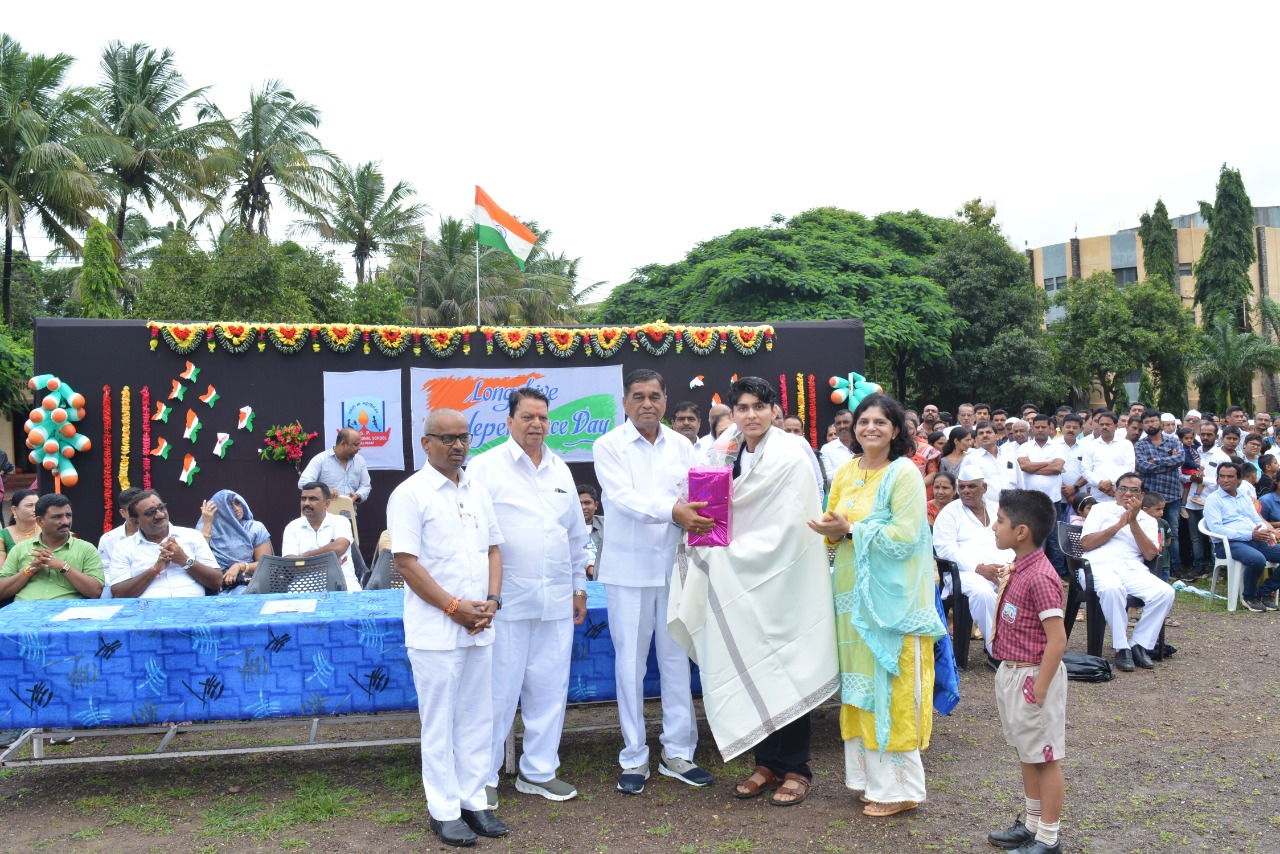
A Unique Independence Day Celebration
The recent cancellation of the military parade, which was originally planned as part of the country’s 65th independence anniversary celebrations, has made it clear that this year’s event will be significantly different. The parade, a long-standing tradition since 1960 when the first ceremony took place at the Race Course (now Tafawa Balewa Square) in Lagos, has always been a central feature of the celebration. It provided an opportunity for heads of government at various levels to salute the armed forces, para-military groups, school children, and other participants who march past.
This grand display not only showcases the nation’s military strength but also serves as a moment for the president to acknowledge the citizens. However, this year, President Bola Ahmed Tinubu chose to be in Lagos, his home state, rather than in Abuja, the capital city. There, he commissioned the renovated National Arts Theatre, now known as the Wole Soyinka Centre for Culture and Creative Arts. This shift in focus made the celebrations in Abuja more subdued, with many people focusing on what the president was doing in Lagos.
Historically, the location of the celebrations varied. Before the move of the seat of government to Abuja, most events were held in Lagos. Since 1993, however, the celebrations have followed the president to Abuja. This year marks the first time a head of government has chosen to remain outside the capital on a day meant for national celebration.
Professor Steve Odion, a Political Science expert, emphasized the significance of marking the day, noting that Africa was colonized by Europeans. He stated, “Given that many African countries went through liberation struggles, there is a basis to celebrate political freedom from former colonial powers.” An unnamed analyst added that celebrating the day fosters a sense of unity among the populace. “People look forward to seeing the president address them, take the salute, and physically acknowledge the citizens,” he said.
Historical Significance of October 1
From 1960 to 1966, October 1 was a crucial date, marking both Nigeria’s independence from colonial rule and the anniversary of the central government. It was the only politically inspired public holiday, making it highly anticipated. The day brought together all parts of the country, regardless of cultural or religious differences, in a unified celebration.
Olusegun Obasanjo, who became head of state in 1976, further enhanced the significance of the day when he chose October 1, 1979, as the day to hand over power to a civilian administration. This action reinstated the day’s relevance as both an independence celebration and the anniversary of the national and state administrations, giving the 19 state governors additional reasons to celebrate.
After the Nigerian civil war, the federal military government continued to mark October 1 as a national holiday. However, it did not coincide with the tenure of subsequent regimes, such as those of Yakubu Gowon, Murtala Muhammad, and Obasanjo. The civilian administration of President Shehu Shagari continued to celebrate the day as both Independence Day and the anniversary of his administration. This tradition persisted through various military regimes.
General Sani Abacha added to the day’s significance by announcing the creation of six new states—Bayelsa, Ebonyi, Ekiti, Gombe, Nasarawa, and Zamfara—on October 1, 1996. This increased the number of states in Nigeria to 36, and these states continue to celebrate the day as their anniversary of creation.
Years Without Celebration
Despite its historical importance, there have been instances when October 1 could not be celebrated. During the Nigerian civil war, which lasted from 1966 to 1969, there were no official celebrations on October 1. In 1992, then-military president Ibrahim Babangida canceled the October 1 celebration to honor the victims of a plane crash that killed 159 people, mostly military officers.
In 2010, an explosion near the venue nearly marred the celebration, resulting in the deaths of a dozen people and injuring many others. Due to this incident, there was no celebration in the following years, but the event resumed in 2014. The outbreak of the COVID-19 pandemic led to a low-key celebration in 2020, with then-president Muhammadu Buhari marking the day in the Villa.
Changes That Reduced Significance
When General Abdulsalami Abubakar handed over power to a civilian administration on May 29, he introduced another politically inspired public holiday. This addition created three politically influenced public holidays: May 29 for the inauguration anniversary, June 12 for Democracy Day, and October 1 for Independence Day.
Leaders Who Had the Privilege to Celebrate
Of the 14 leaders who ruled Nigeria since 1960, only General Johnson Aguiyi Ironsi did not get the chance to celebrate Independence Day as head of state. His regime, which began in January 1966, was overthrown by July of the same year, leaving him without the opportunity to celebrate the day. Murtala, Ernest Shonekan, and Abdulsalami, whose tenures lasted less than a year, were fortunate enough to have their terms span the date, allowing them to participate in the celebrations.
Obasanjo, on the other hand, had the privilege of taking the independence salute a record 11 times, three times as Nigeria’s head of state and eight times as president.


