
The Evolution of Formula 1: A New Era for Historic Tracks
F1 CEO Stefano Domenicali has recently sparked debate among traditionalists with his proposals for changes in race formats, including more sprint weekends and reverse grids. However, the discussion extends beyond just race structures; the very venues that have long been part of F1’s legacy are also under scrutiny.
In an interview with the Italian Passa dal BSMT podcast, Domenicali addressed the importance of “historic” tracks and their place on the calendar. He emphasized that while historical value is a positive aspect, it is no longer sufficient to guarantee a spot on the F1 calendar.
“It’s clear that today we’re talking about investment levels very different from those of the past,” he said. “Competition has changed, the context is much more aggressive, and obviously… Affection alone is not enough.”
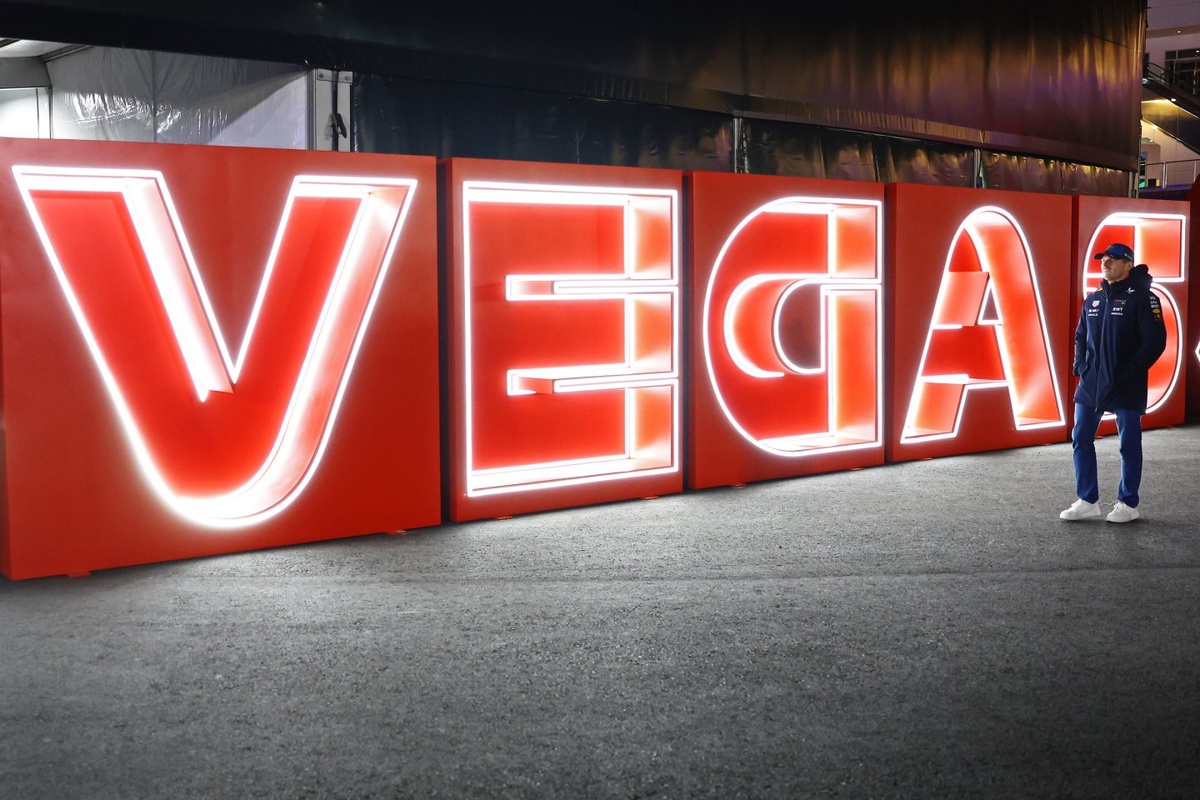
Domenicali acknowledged that historic tracks bring a sense of heritage and nostalgia, which is valuable for longtime fans. However, he pointed out that newer audiences may not perceive these differences as significant. For many young fans, racing in Monte Carlo or Las Vegas holds equal appeal.

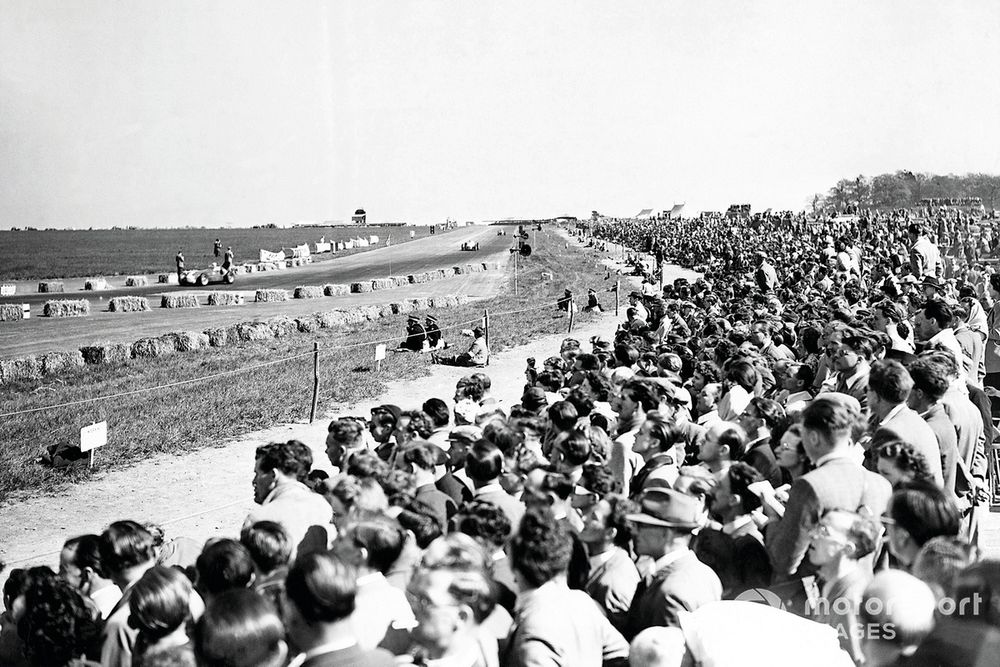
The evolution of F1’s approach to its calendar can be traced back to Liberty Media’s acquisition of the commercial rights in 2017. At the time, CEO Chase Carey assured stakeholders that historic venues would remain safe. He specifically highlighted Silverstone, Monaco, Hockenheim, and the Nurburgring as key tracks that needed to be preserved for their cultural significance.
However, the reality has shifted over the years. Some historic tracks have struggled to meet financial requirements. The Nurburgring, for instance, fell off the regular schedule after the 2013 race due to high sanctioning fees. It only returned once during the 2020 season as part of the Eifel Grand Prix. Similarly, Hockenheim has not appeared since 2019, and its aging infrastructure poses challenges.
Silverstone adapted by transforming into a full-weekend event with live music, securing a long-term contract. Monaco, on the other hand, had to make concessions regarding TV coverage and trackside signage to retain its place on the calendar.

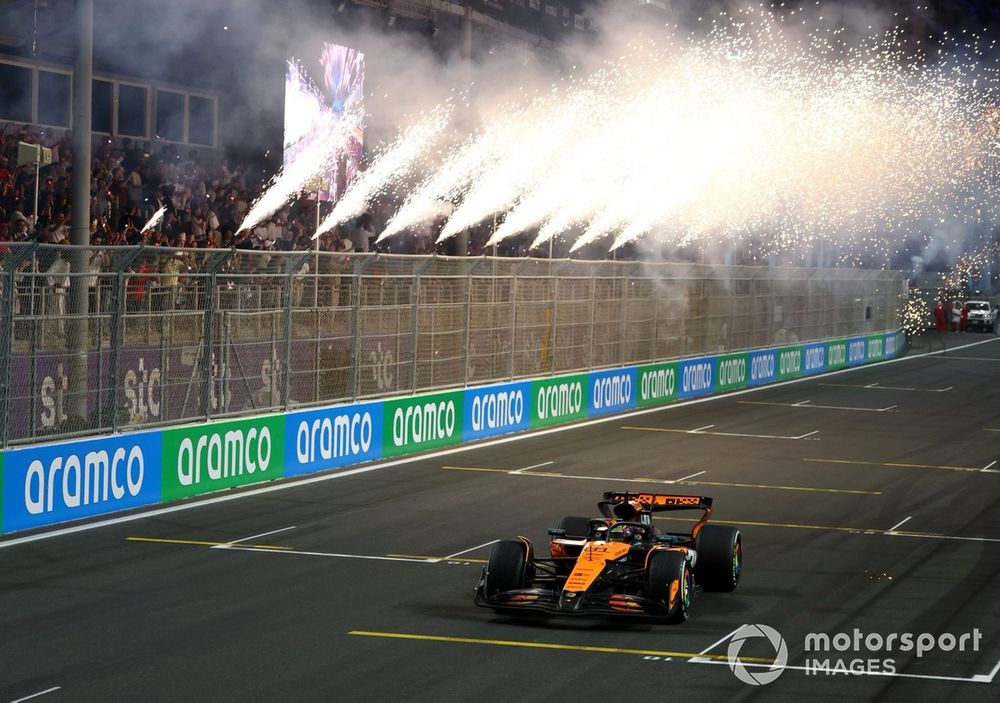
Domenicali’s appointment as CEO coincided with a pivotal moment for F1. The sport faced existential threats during the pandemic, requiring innovative financial strategies to survive. This led to the use of alternative circuits, such as the Nurburgring and Imola, to fulfill broadcast contracts. Additionally, the success of Netflix’s Drive to Survive series contributed to a surge in global viewership, creating pressure to continue this growth.
This growth has intensified competition for spots on the calendar. While the Concorde Agreement allows for expansion beyond the current 24 races, there is a consensus among stakeholders that 24 is a practical limit. This means that historic tracks must continuously evolve to remain relevant.

A phenomenon known as “planning creep” is evident in F1’s approach to its calendar. Permission for a venue to stay on the schedule is often granted with conditions that are later relaxed. For example, Zandvoort is set to leave the calendar, and Spa-Francorchamps is entering a rotation deal, appearing every other year. This strategy could gradually reduce the presence of historic tracks, making their eventual removal less impactful.
Domenicali highlighted the challenges faced by older venues, noting that they often lack the capacity to invest in infrastructure and increase spectator numbers. “Imola is a city in a rather limited context of development,” he said. “It’s difficult to imagine it being expanded in terms of infrastructure, hotels, because it is what it is.”
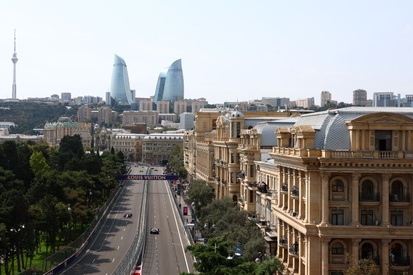

This shift reflects a broader trend in late capitalism, where sustainability and growth are prioritized over tradition. While historic tracks hold sentimental value, their survival depends on their ability to adapt and attract investment.
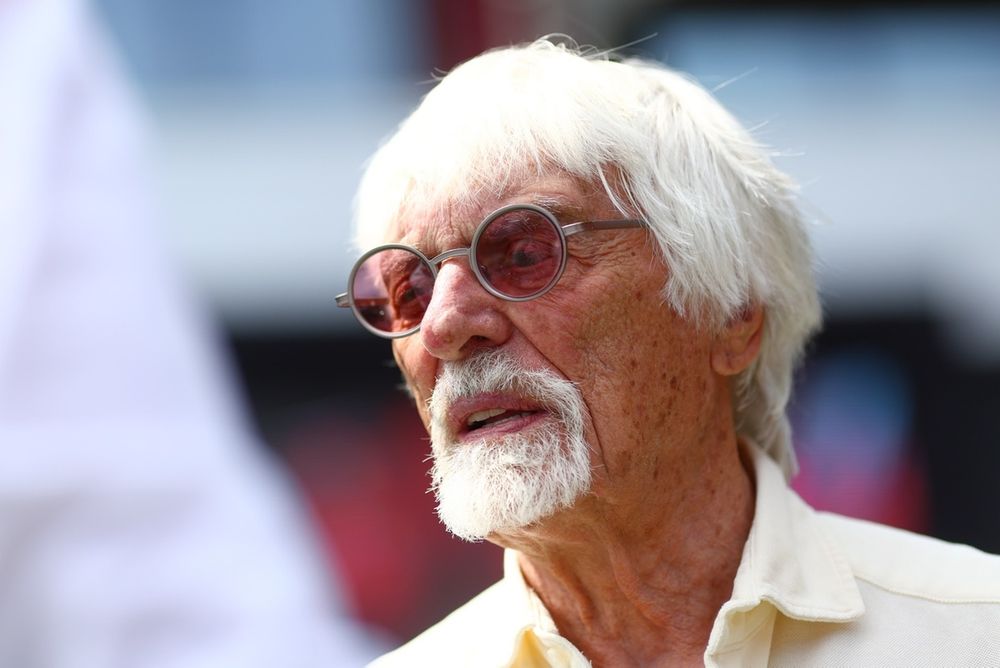
The irony lies in the fact that this process was initiated by Bernie Ecclestone, who once dominated F1’s commercial landscape. Now, under Domenicali’s leadership, the focus is on ensuring that F1 remains competitive and financially viable in an ever-changing world.
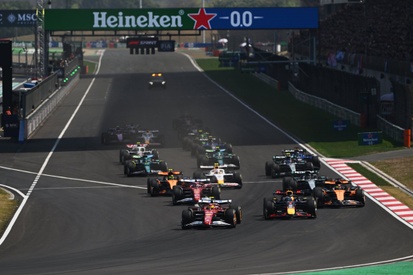
As F1 continues to evolve, the balance between preserving history and embracing innovation will remain a central challenge. For historic tracks, the message is clear: nobody is safe, and continuous growth is essential for survival.

Related posts:

Mother Suffers Daily Allergic Attacks After Drinking Contaminated Coffee Syrup


Challenges of Climate Change in Africa and Lessons from China’s Green Revolution

Senate joint committee finally holds hearing on Ivanhoe deal

True measure of leadership lies not in power, privilege, pageantry – Tinubu at book presentation

