
A Large Family’s Struggle and the Impact of Benefit Policies
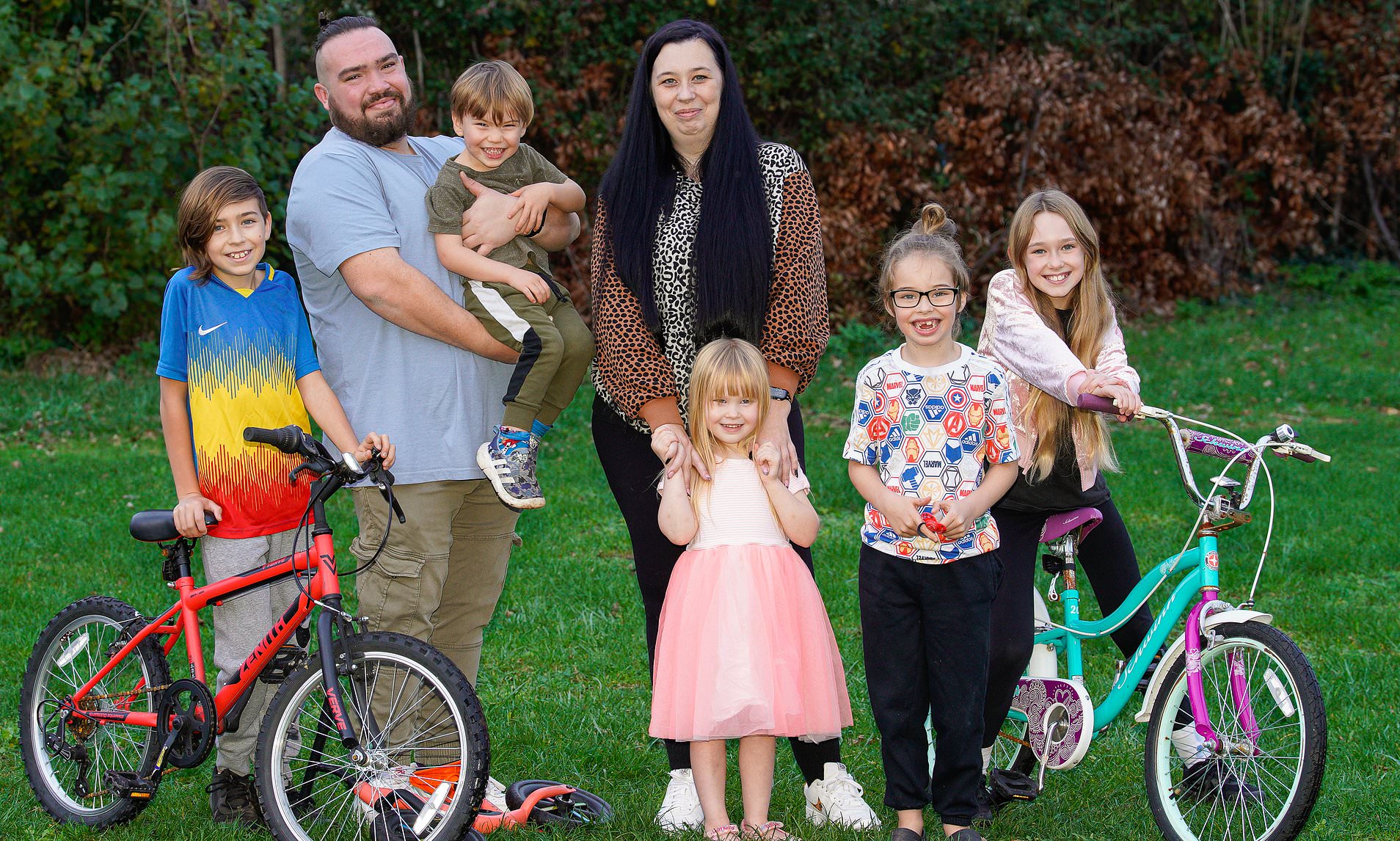
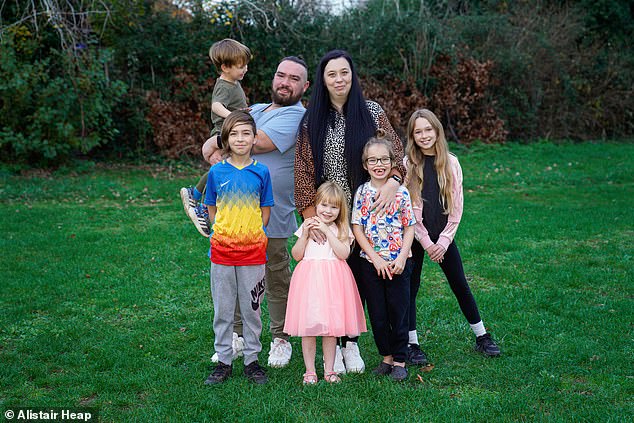
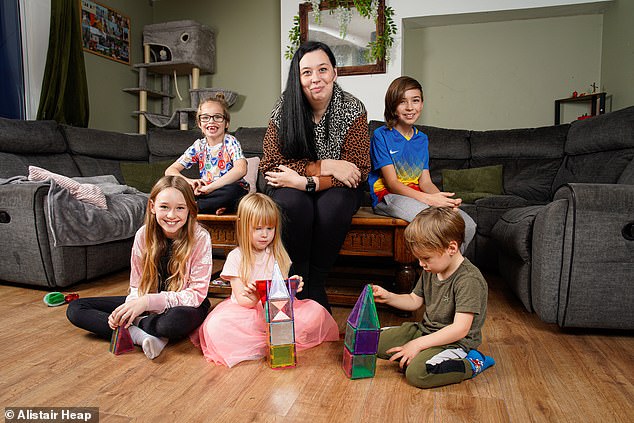
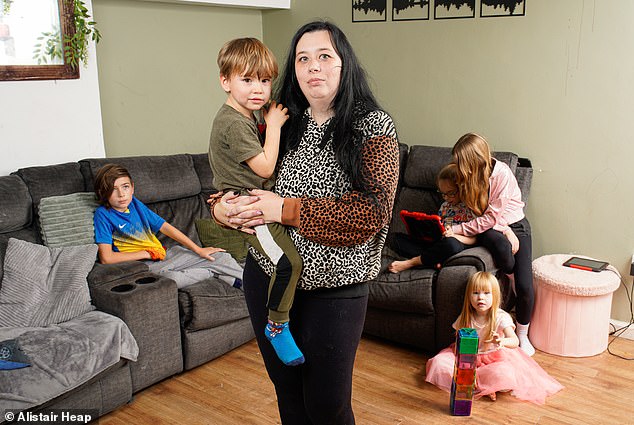
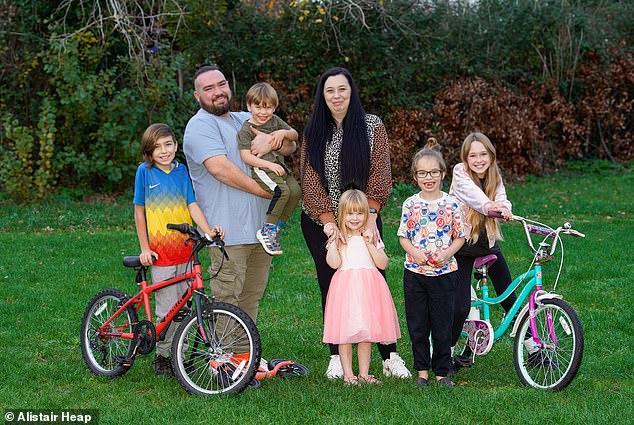
Lisa and David White’s home in Monmouth, south Wales, is a far cry from a child-free zone. The sounds of laughter and constant chatter echo through the house, while bicycles lie scattered across the lawn. Inside, the hallway is a maze of junior-sized coats and trainers, reflecting the presence of five children aged between three and ten.
The Whites are among almost 200,000 large families set to receive additional state support following the anticipated removal of the two-child benefits cap. This change, supported by Chancellor Rachel Reeves, aims to address the unfairness faced by larger families who have been penalized for having more children.
Despite their busy lives, the Whites face significant financial challenges. Neither Lisa nor David is currently working, and their entire household budget comes from public funds. Their monthly benefit payments amount to £1,935, which includes David’s disability benefit that allows them to exceed the standard child benefits limit of £1,835.

Their £560 monthly rent is covered by a housing association property on a quiet estate. Altogether, the family costs the state £29,940 annually, which is slightly less than the average UK salary of £37,000 after taxes and National Insurance.
Lisa, 31, initially planned to have only three children, but her life took a different path when she started a relationship with David, now 35. Their grandmothers had been close friends since childhood, and this connection led to the birth of their first child, Layla, at age 21. Over the years, they added four more children: Marley, Arlo, Bonnie, and Teddie.

David’s mental health crisis, triggered by his experiences as a carer during the pandemic, forced him out of work in 2022. This change significantly impacted their financial situation, making it difficult to manage their expenses, including a weekly shopping bill of £200–£250, energy costs of around £250 per month, and the cost of running a 2009 Vauxhall Zafira.
Lisa emphasizes that their decision to have five children was made when they were financially stable and not reliant solely on welfare. However, circumstances changed, and they now have to make do with what they have.
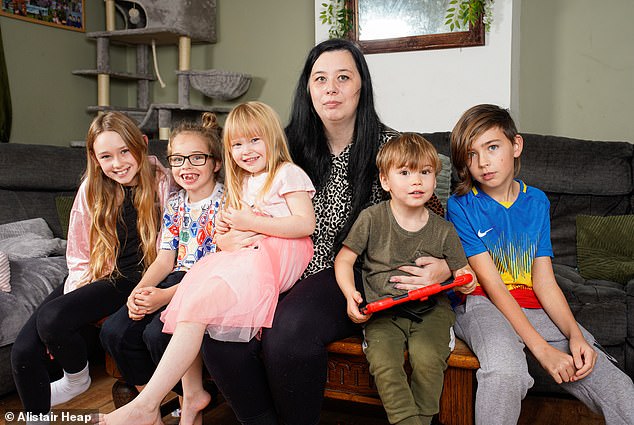
She expresses frustration at the misconception that large families are solely motivated by benefits. “I think there is a misconception because everyone who looks at me with five children says: ‘She’s obviously doing it for the benefits.’”
Lisa also highlights the difficulty of balancing motherhood with the desire to return to work. She had planned to resume full-time employment once the children were in school, but one child attends part-time, and David is unable to care for the children alone.
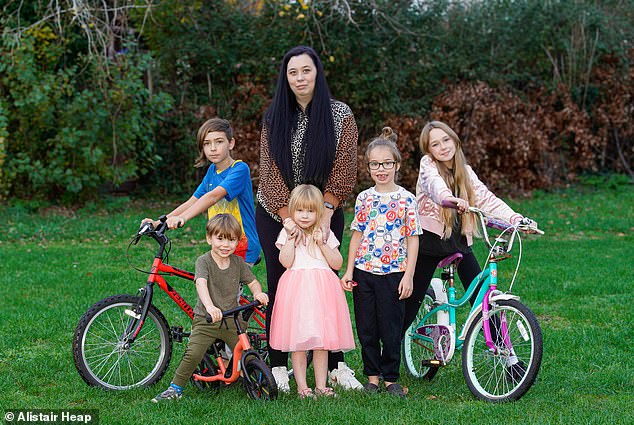
While she values the time spent with her children, Lisa longs for the opportunity to work and reclaim her personal identity. She acknowledges the challenges faced by working families and understands the strain caused by the cost-of-living crisis.
The expected removal of the two-child benefit cap could provide significant relief for families like the Whites. Under the new policy, five-child families could be up to £10,000 better off annually. This change, though costly, reflects a broader effort to support families facing financial hardship.
However, concerns about the sustainability of the benefits system remain. With increasing numbers of people claiming long-term sickness and mental health issues, the pressure on public finances is mounting. Despite these concerns, Lisa believes the support provided is essential for families in need.
“Children don’t choose to be here—it’s us as parents who’ve made that decision,” she says. While acknowledging that their family contributes to the broader challenges facing the country, Lisa insists that their situation is just a small part of a much larger picture.


