
The Human Rights Crisis of Migrant Workers in South Korea
The issue of human rights violations against migrant workers in South Korea has become a pressing concern, with recent cases highlighting the systemic challenges these individuals face. Kim I-chan, a 59-year-old representative of the foreign worker support group “Earthling’s Bus Stop,” has been at the forefront of advocating for their rights for over 17 years. His insights provide a deeper understanding of the struggles and injustices faced by migrant laborers.
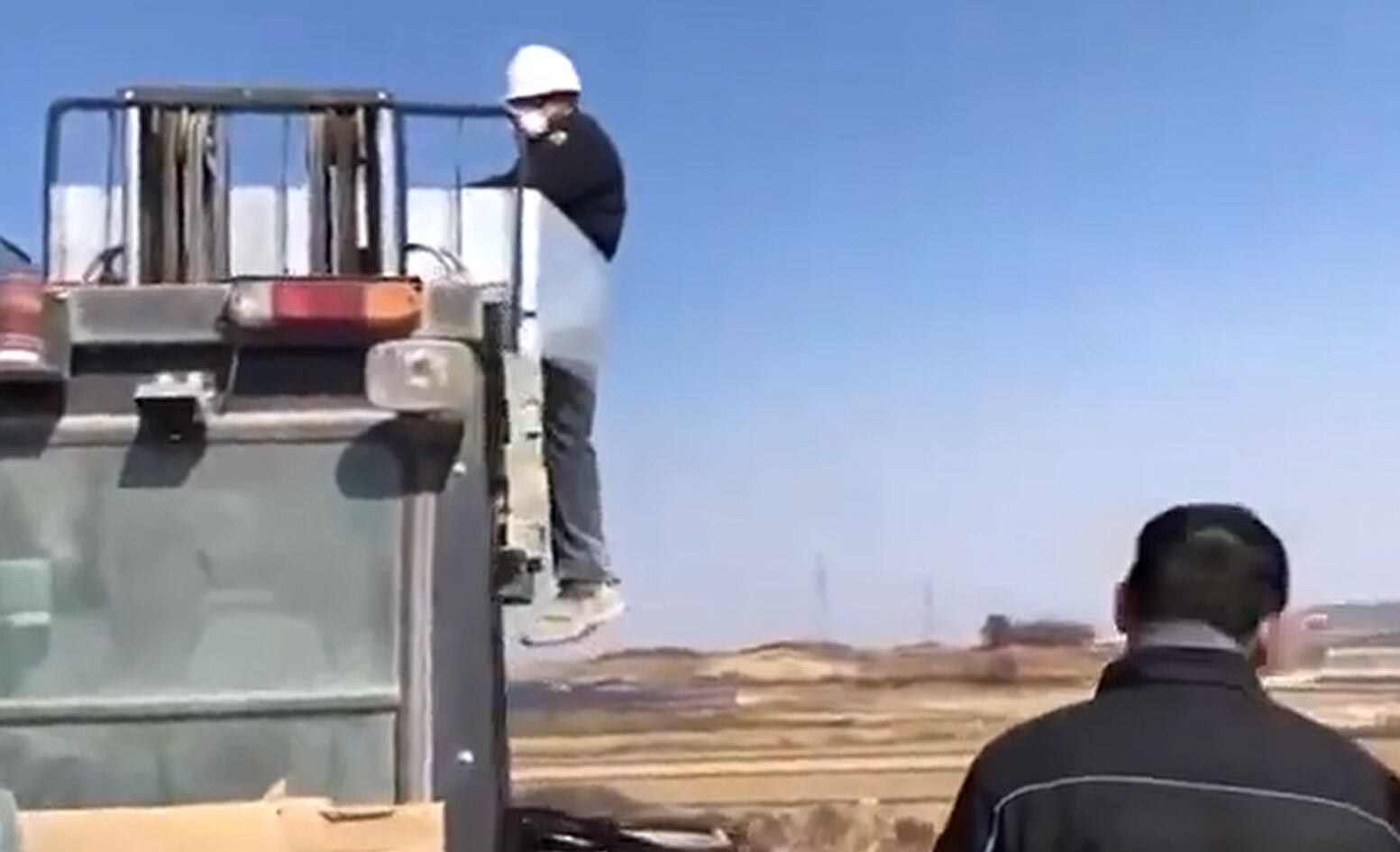
Kim expressed shock at a case where a Sri Lankan laborer was abused by Korean workers, who hung him from a forklift at a brick manufacturing company in Naju, South Jeolla Province. This incident not only revealed the vulnerability of migrant workers but also exposed the lack of solidarity among those in similar situations. “The vulnerable did not stand by their fellow vulnerable,” Kim stated, emphasizing the need for institutional reforms to address such issues.
The Broader Implications of the Forklift Abuse Case
The forklift abuse case sparked renewed discussions about the treatment of foreign workers in South Korea. President Lee Jae-myung ordered an investigation into unfair treatment, calling it a violation of human rights. National Assembly Speaker Woo Won-shik also met with a Mongolian migrant worker who lost both arms in an industrial accident, highlighting the structural issues that migrant workers face.
Kim pointed out that migrant workers often face the risk of forced deportation due to visa issues. Under the E-9 visa system, workers cannot change workplaces without employer consent, effectively creating a “modern slavery system.” He stressed the importance of reforming workplace transfer criteria to protect workers from exploitation.
Challenges Faced by Migrant Workers
Migrant workers in South Korea encounter numerous challenges, including unpaid wages, violence, sexual crimes, and industrial accidents. Kim noted that factory workers have more access to information and support, while agricultural and rural workers, who are often isolated, struggle to seek help. Diseases are rarely recognized as industrial accidents, leading to dismissals and further marginalization.
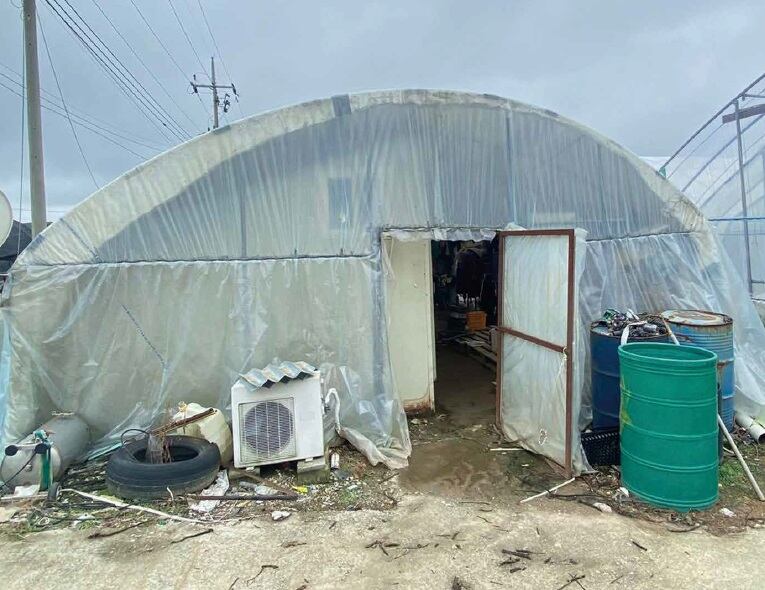
Kim shared a memorable case from 2012 involving a Cambodian female worker who fled her employer’s conditions. Despite living in a vinyl house dormitory without basic facilities, she was reported as a runaway, making her an illegal resident. Through protests and petitions, they managed to change her workplace, showcasing the power of collective action.
Dormitory Conditions and Exploitative Practices
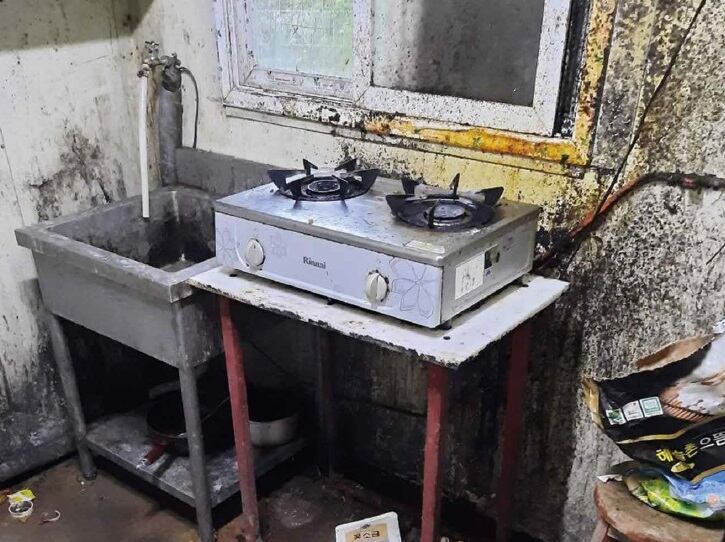
While physical abuse has decreased, dormitory conditions remain a significant issue. In Miryang, a Cambodian woman died in a vinyl house dormitory during a severe cold wave. Although the government announced improvements to ban illegal temporary structures, enforcement remains weak. Employers often evade regulations by reporting dormitories as regular houses or villas on paper.
Charging exorbitant fees for substandard housing is another common practice. In Pocheon, an employer housed seven migrant workers in a 20-pyeong apartment, charging 300,000 Korean won per person monthly. Workers earned about 1.97 million Korean won monthly, making the fee a significant burden.
Wage Exploitation and Legal Challenges
Employers frequently underreport working hours to withhold wages. In 2018, a Cambodian worker was paid nearly 900,000 Korean won less than earned. Forced to sign a confirmation stating full payment, he wrote “not true” in Khmer, a small act of resistance requiring great courage.
Recent cases show that similar issues persist. Workers are often paid for 8 hours when they work 10, and self-recorded timesheets are sometimes rejected as invalid evidence. Kim highlighted the difficulty migrant workers face in reporting unfair treatment due to the E-9 visa system, which restricts workplace changes without employer consent.
Social and Economic Impact
Some critics argue that supporting foreign workers takes jobs from Koreans. However, Kim emphasized that migrant workers often perform dangerous and undesirable jobs, such as cleaning pig farm septic tanks. The industrial accident fatality rate for migrant workers is over twice the national average, underscoring the risks they face.

Kim also addressed the moral responsibility of society. Youths from Nepal and Cambodia, countries with almost no youth suicides, make extreme choices in Korea. He questioned how Korea will be remembered by them, urging reflection on the treatment of migrant workers.

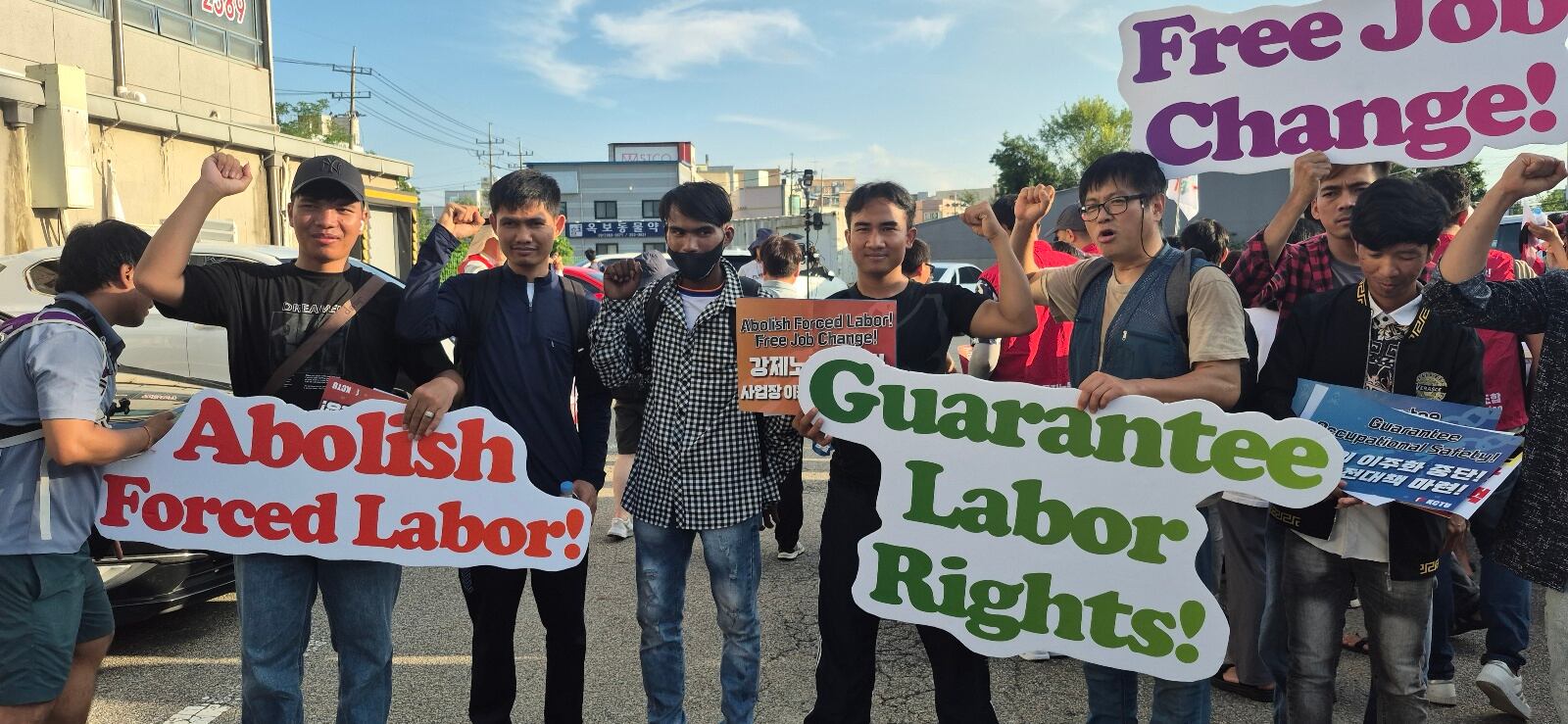
Kim’s final message emphasized the importance of justice and equality. “Korea is a democratic republic. Can we be truly happy if others face injustice?” He called on those who designed the system to reflect on their role in perpetuating these injustices.

Kim I-chan, born in 1966 in Busan, spent his youth in Gunsan, North Jeolla Province. He graduated from Seoul National University’s College of Law in 1990. After joining a broadcasting company in 1994, he resigned to produce documentaries and founded “Earthling’s Bus Stop” in Ansan, Gyeonggi Province, in 2009. Initially a media education group for migrant workers, it became a labor rights counseling center and temporary shelter operator in 2012.



Related posts:

Mother Suffers Daily Allergic Attacks After Drinking Contaminated Coffee Syrup


Challenges of Climate Change in Africa and Lessons from China’s Green Revolution

Senate joint committee finally holds hearing on Ivanhoe deal

True measure of leadership lies not in power, privilege, pageantry – Tinubu at book presentation

