A Deceptive Romance Scam That Left a Victim in Ruins
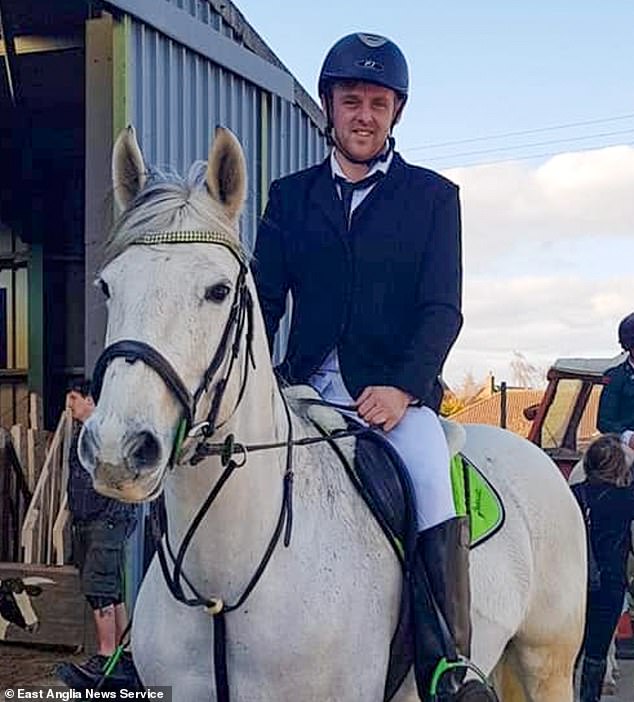
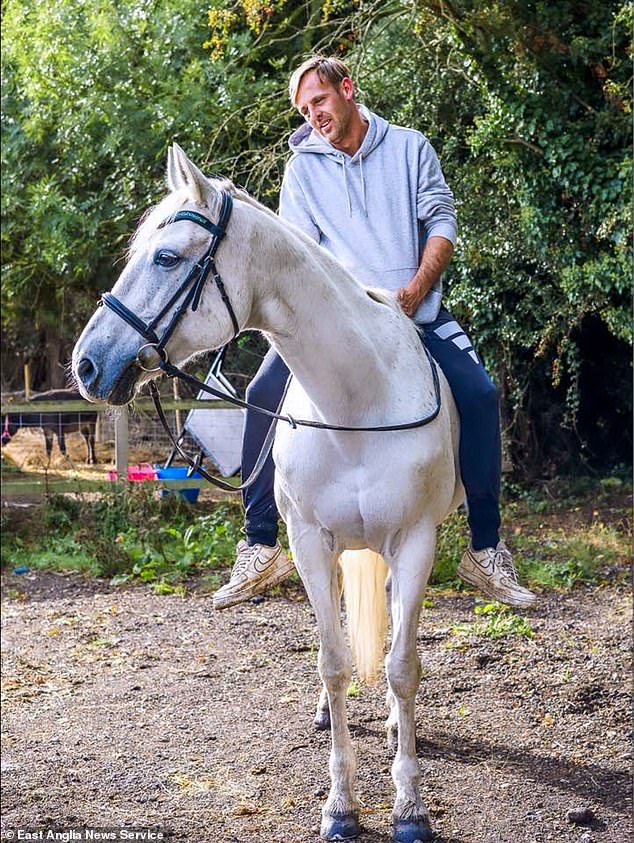
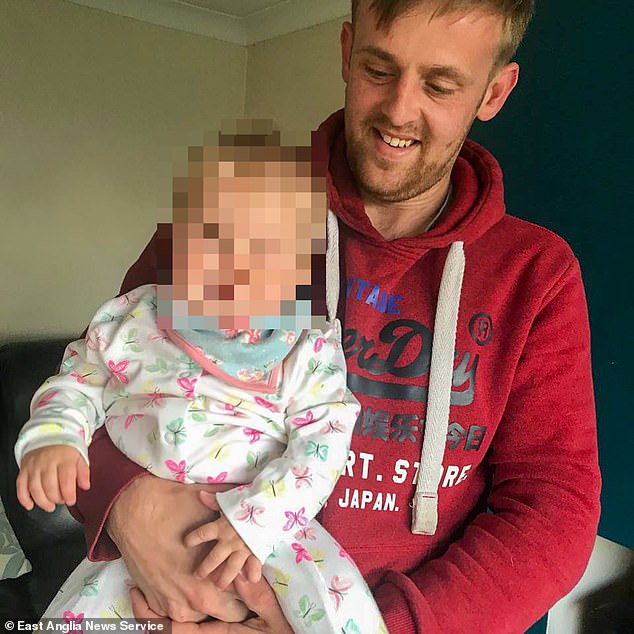
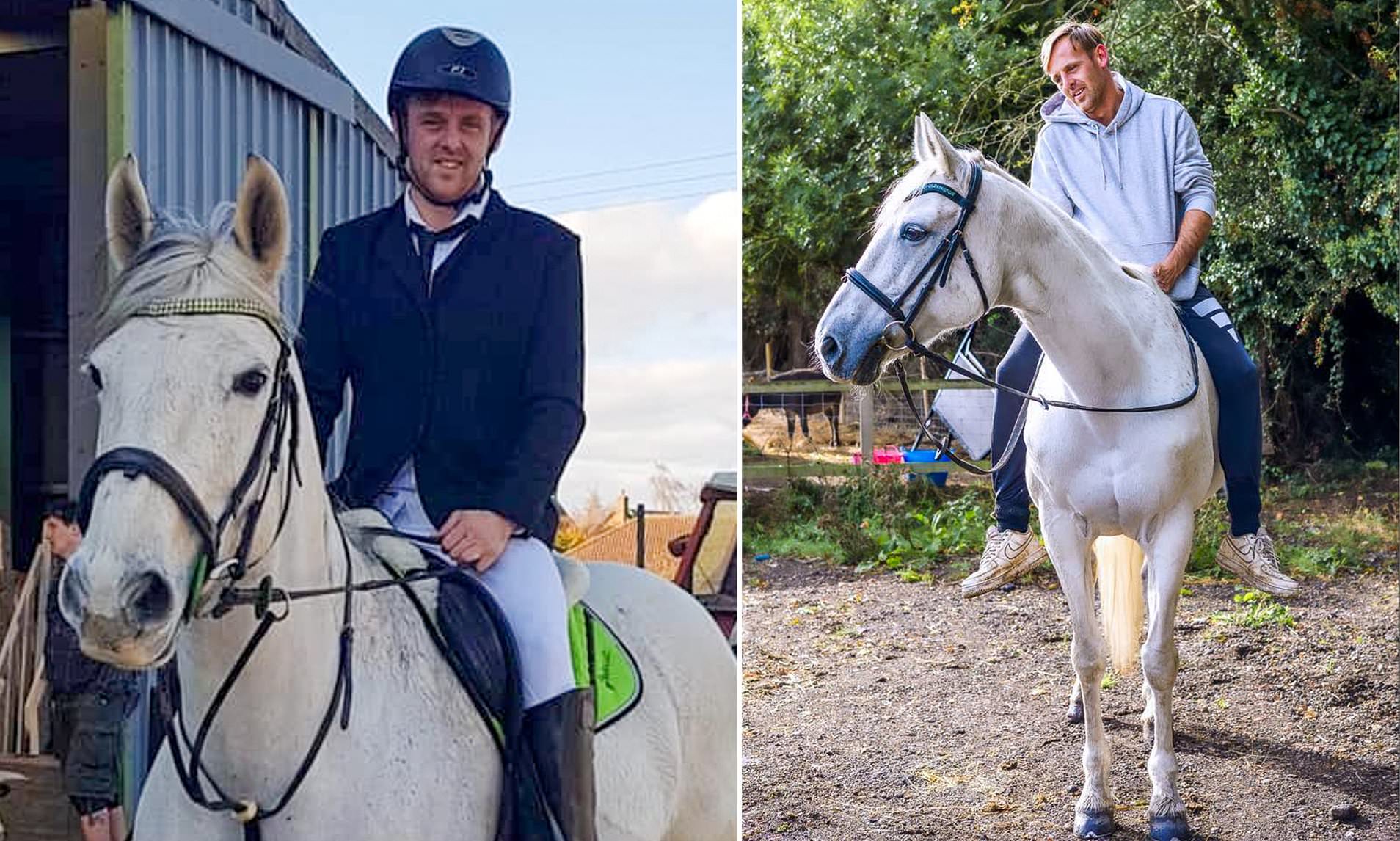
Adam Mowle, a 34-year-old man from Harwich, Essex, has been warned by a judge that he could face jail time for his role in a fraudulent romance scam. Mowle, who is known for his involvement in equestrian activities and frequently posts pictures of himself riding and showjumping on social media, used a dating app to pose as a woman named Jenna Smith.
Through this deceptive persona, Mowle managed to lure a man into what he believed was a long-term relationship. The victim, who was convinced that he had found his dream partner, was persuaded to transfer £9,165 to Mowle under the pretense that “Jenna” needed the money due to family illness and financial struggles.
After realizing he had been scammed, the victim turned to gambling in an attempt to recover his losses, only to end up losing an additional £93,000. This devastating turn of events led to severe mental health issues, including depression and thoughts of self-harm.
Mowle admitted to acquiring criminal property through fraud when he appeared at Ipswich Crown Court. His sentencing was postponed until March 18, with District Judge Matthew Bone warning him that imprisonment was a possibility.
The court heard that multiple payments were made into Mowle’s bank account, some referencing “Jenna.” This suggested that Mowle may have targeted other men with similar tactics, though none of the other potential victims chose to file official complaints.
Lee Nunn, a senior officer at Suffolk Trading Standards, noted that the total amount received by Mowle from these scams was a five-figure sum. The court was also informed that Mowle had used the stolen funds to support his horse and cover personal expenses.
The victim, who wished to remain anonymous, shared his story with the court. He described how he met “Jenna Leigh Smith” on a dating app and believed their relationship was genuine. He felt sympathy for the problems she claimed to be facing, including her father’s cancer diagnosis and her own health issues.
“I felt confident I could lend her money to assist her in the short term and she would pay me back,” the victim said. However, it wasn’t until he began to doubt “Jenna’s” honesty that he realized he had transferred £9,135 into an account he believed belonged to her.
The emotional and financial toll of the scam was immense. The victim described how the loss of nearly £10,000 devastated his mental health, leading him to gamble in a desperate attempt to recoup his losses. This resulted in an additional £93,000 lost, deep depression, and the need for medication and counseling.
“The situation was so bleak that I seriously considered taking my own life,” he added. The crime not only affected his finances but also shattered his ability to trust others, impacting his future relationships and well-being.
Mr. Nunn praised the victim for coming forward, stating that the prosecution was possible due to his courage and determination. He highlighted how Mowle used his detailed knowledge of the victim’s local area to build trust, showing complete disregard for his emotional and financial wellbeing.
Graham Crisp, head of Suffolk Trading Standards, emphasized that Mowle showed no regard for his victim. Councillor Steve Wiles, Suffolk County Council’s cabinet member for public health and public protection, called romance fraud a cruel crime that causes serious harm to its victims.
He urged anyone in an online relationship to be cautious of any requests for money from someone they have not met in person. He advised individuals to seek advice from friends and family and to question whether the person they are interacting with is who they claim to be.
A 2024 survey by Barclays revealed a significant increase in reports of romance scams, with a 139% surge between March to April and May to June that year. Men reported the majority of these scams, while women typically lost the most money. On average, female victims handed over £8,900, while men gave around £3,500.
Kirsty Adams, a fraud and scams expert at Barclays, noted that it may be surprising to see men more often fall victim to romance scams, as stereotypes have often incorrectly painted women as more susceptible. She explained that research shows men are generally more willing than women to transfer money to people they have recently started dating, even if they have not met in person.