
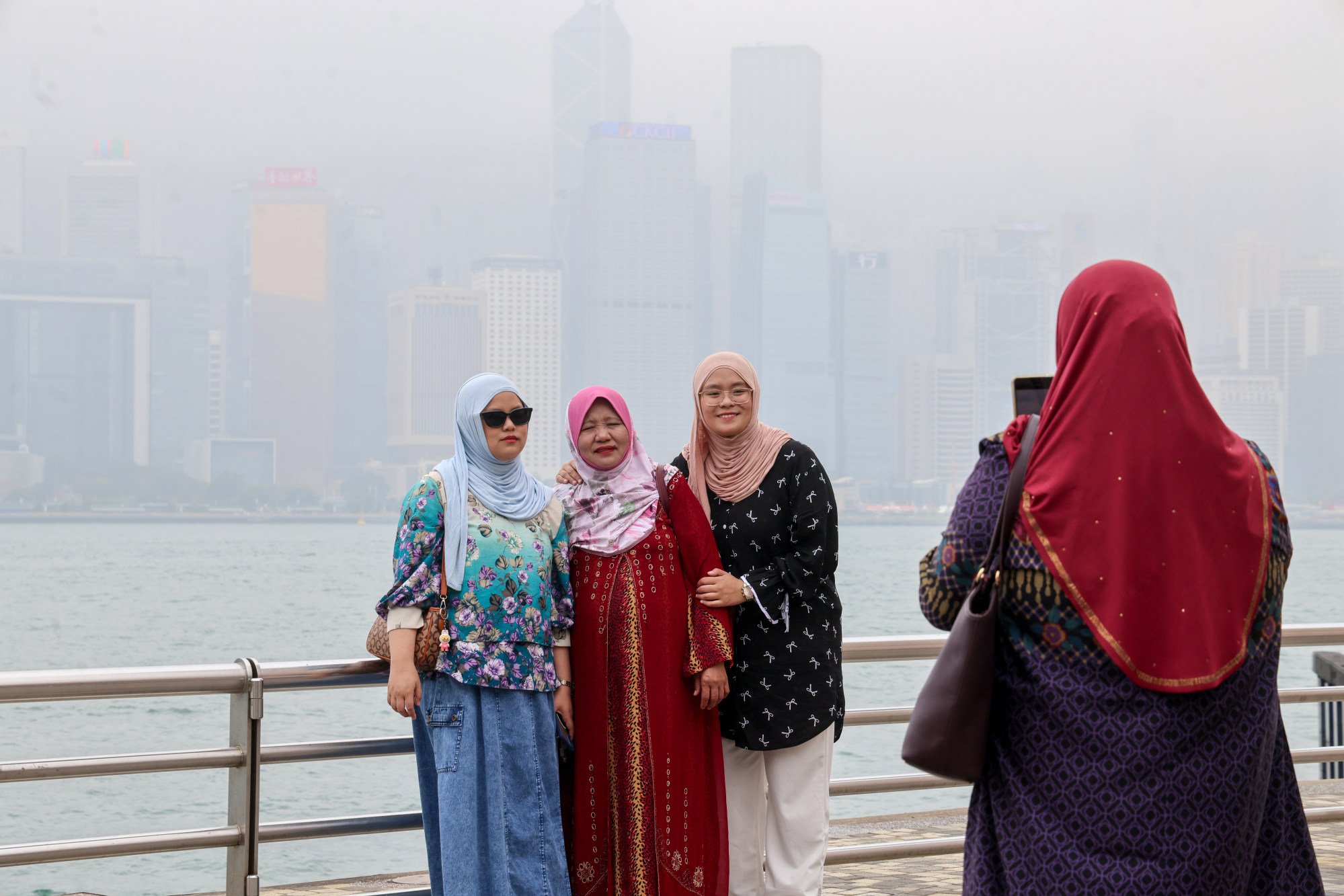
City’s halal tourism drive sees hotels and restaurants making adjustments to seek Muslim friendly status
Hong Kong can develop its own Muslim-focused experiences to draw more visitors from the Middle East and Southeast Asia, according to a diplomat and tourism industry insiders.
They said the city’s push to become a hub for halal tourism should be more than merely adapting existing services and include coming up with new cultural experiences geared towards Muslim visitors.
Turkish Consul General Kerim Sercan Evcin said it could be “a Hong Kong Ramadan bazaar” with unique offerings from the city along with items from different countries and societies.
, our new platform of curated content with explainers, FAQs, analyses and infographics brought to you by our award-winning team.
“Similar to Hong Kong curry – can you eat Hong Kong curry in India or Pakistan? No,” he said.
, the evening meal at which Muslims break their fast during the holy month of Ramadan.
The Islamic month of fasting began on March 2 in Hong Kong, and leads up to the Eid ul-Fitr festival.
Alexander Wasserman, the Miramar Group’s head of hotels and service apartments, agreed that Hong Kong could hold its own events over the season.
Referring to Christmas and Lunar New Year events that promote festive goodies, he said: “Why not also do an Islamic celebration for Ramadan?”
event was held at the Mira Hotel in Tsim Sha Tsui, which was recently awarded a score of five by CresentRating, a Singapore-based research and consultancy firm focuses on the Muslim travel market.
It was commissioned by the Hong Kong Tourism Board to rate the city’s hotels and tourist attractions for Muslim-friendliness on a scale of one to seven.
The Mira was among six out of 53 hotels rated so far to receive the highest score of five. The others were the Grand Hyatt, New World Millennium Hotel, Mira Moon, Kowloon Shangri-La and Ocean Park Marriott Hotel.
Higher scores of six and seven would go only to specialised accommodation catering to “halal conscious” travellers, serving halal food and meeting most of their needs, according to CrescentRating’s guidelines.
Tourism Board statistics for last year showed the city received 405,508 visitors from Malaysia and 366,973 from Indonesia – both countries with large Muslim populations – and 16,498 from the Gulf Cooperation Council, which includes Bahrain, Kuwait, Oman, Qatar, Saudi Arabia and the United Arab Emirates.
The arrivals were an increase from 2023, when there were 270,588 visitors from Malaysia, 257,279 from Indonesia and 9,743 from the Gulf.
Muslim visitors who pray five times a day will want to know if there are prayer rooms set aside for men and women, and if food served to them is halal.
Among other things, meat used in halal food must come from animals slaughtered according to Islamic practice, pork and alcohol products are forbidden, and meals must be prepared in designated kitchens with utensils not used for other food.
Wasserman said The Mira made adjustments to suit Muslim guests, including a separate halal-certified kitchen with dedicated equipment and used ingredients sourced from halal vendors.
It has a halal-friendly restaurant and prayer facilities, and trained its staff to cater to the needs of Muslim guests.
Wasserman said the moves “made sense” as the hotel was near the Kowloon Mosque And Islamic Centre on Nathan Road, the city’s largest mosque.
Wooing Middle Eastern tourists has been on the Hong Kong government’s agenda for the past year, as part of a wider goal of boosting business ties with the region.
City leader John Lee Ka-chiu mentioned it in his latest policy address, while finance chief Paul Chan Mo-po vowed last month in his budget speech to ramp up efforts to develop Middle Eastern and Southeast Asian markets to attract more “high-end visitors”.
Tourism Commissioner Angelina Cheung Fung Wing-ping said at the recent iftar event there was room to grow the Middle Eastern market.
She emphasised the need to strengthen Hong Kong’s appeal, particularly by offering Muslim visitors more halal dining options and suitable facilities and services.
She said it was important to explain the business opportunities to the city’s restaurants and help them understand how to cater to this group.
In a sign that the message was already getting through, a growing number of Chinese restaurants were seeking halal certification, she said.
At a separate event also on March 4, Tourism Board deputy executive director Becky Ip Ching-tak said that since last June, the number of halal-certified restaurants had risen from about 100 to 162.
The board hosted more than 20 Muslim travel industry partners from Southeast Asia in February to show them Hong Kong’s Muslim-friendly offerings and attractions.
Future plans include developing training materials for frontline staff on Muslim cultural preferences and collaborating with Middle Eastern media outlets to promote Hong Kong.
More Articles from SCMP
SCMP Best Bets: with a bit of Luck, punters will be Flying at Sha Tin
Hong Kong must seize benefits of ‘one country, two systems’ model: Zheng Yanxiong
Novocaine movie review: Jack Quaid feels no pain going from mild to mad in action thriller
Chinese vaccine shows promise in stopping plaque build-up in arteries
This article originally appeared on the South China Morning Post (www.scmp.com), the leading news media reporting on China and Asia.
Copyright (c) 2025. South China Morning Post Publishers Ltd. All rights reserved.
Related posts:
Ngugi wa Thiong’o: The Rebel Intellectual Who Shaped History

Born on June 10: Joao Gilberto, the Genius Behind Brazilian Bossa Nova

Community food drive aims to feed students over summer break

New downtown Country Fair offering extended options nearing opening

Aussie Visitor Rants About Pesky Restaurant Habit in Ireland

