

Rising Energy Costs and Global Tensions
The current situation in the Middle East is causing significant concern among households, particularly in the UK. A think-tank has warned that energy bills could increase by more than £500 this summer if the crisis continues. This warning comes as gas prices have reached a three-year high, and oil prices have surged due to tensions involving Iran and the Strait of Hormuz.
Iran has taken a firm stance by threatening to block any vessels passing through the Strait of Hormuz, which is one of the world’s busiest shipping channels for oil. This move has raised fears that it could lead to similar economic impacts as seen during Russia’s invasion of Ukraine in 2022. The US has responded by stating that its navy will escort tankers through the strait if necessary, emphasizing the importance of ensuring the free flow of energy globally.
Impact on Energy Prices and Households
The Resolution Foundation has highlighted the potential consequences of sustained increases in oil and gas prices. According to its chief executive, Ruth Curtice, if these price hikes continue, inflation could rise back to 3% by the summer, with typical energy bills increasing by over £500. This situation has made support for families struggling with the cost of living more urgent.
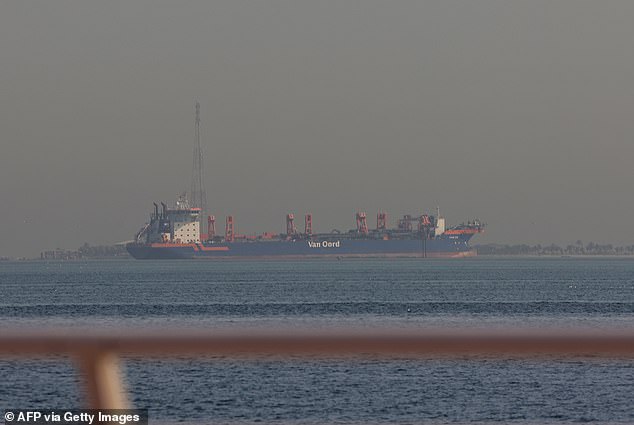


The conflict has also led to increased anxiety among motorists in the UK, who are being urged not to panic-buy petrol. Maritime activity in the Strait of Hormuz has almost come to a standstill, causing markets to tumble. Iran’s actions have targeted Gulf countries including the UAE, Qatar, and Bahrain, leading to a significant number of tankers anchored on either side of the strait.
Economic and Political Reactions
Iran has declared the Strait of Hormuz “closed” and warned that it would fire on any ships attempting to pass through. This has resulted in a sharp increase in oil prices, with global benchmark Brent crude rising by more than 13% to just over $85 per barrel. Analysts predict that a prolonged conflict could push prices to $100 per barrel. Such a scenario could add up to 20p per litre to petrol and diesel within weeks.
UK gas prices have also surged, with a 46% increase reported yesterday to over 165p a therm. This followed a sharp rise on Monday, before prices fell slightly to 146p in the afternoon. The surge in gas prices came after QatarEnergy, one of the world’s largest exporters, halted production following ‘military attacks’ on its facilities in Ras Laffan and Mesaieed.
Fuel Shortages and Public Response
Petrol stations in the UK have started to run out of fuel as Britons rush to fill their tanks before pump prices go up. Valero Garage in Beckenham, south London, ran out of petrol on Monday evening after dozens of locals rushed to fill their tanks. Some even arrived with petrol cans. Signs reading “Sorry out of use” were also spotted at nearby BP fuel stations in Croydon.
However, drivers have been advised to remain calm by the Petrol Retailers’ Association. Its chief executive, Gordon Balmer, urged people to exercise restraint and buy fuel normally. He emphasized that rising fuel prices could hurt the economy by increasing inflation, which would impact already strained household budgets.
The RAC also stated that there shouldn’t be a sudden jump in prices at the pumps, as it takes time for rising costs to reflect in petrol prices. Meanwhile, Chancellor Rachel Reeves has faced criticism for not addressing the needs of drivers in her Spring Statement. FairFuelUK founder Howard Cox accused the government of missing an opportunity to support drivers during a new oil crisis.
Calls for Policy Changes
FairFuelUK has continued to call on Rachel Reeves to cut fuel duty, at least keeping it frozen for the lifetime of this parliament. They argue that for over two decades, politicians have failed to plan for self-sufficiency in oil and gas production. With refineries, oil tankers, and the Strait of Hormuz being targeted, oil prices are expected to continue climbing relentlessly.


