
The Delayed Opening of the Museum of West African Arts
The Museum of West African Arts (MOWAA) in Benin City, Nigeria, has faced a significant delay due to ongoing protests and disputes. Originally envisioned as a home for the restituted Benin Bronzes, the museum’s opening has been postponed indefinitely. This delay highlights the complex interplay between cultural heritage, political authority, and international collaboration.
Uncertainty Surrounding MOWAA
The future of the highly anticipated MOWAA remains uncertain. While the museum was initially linked to the restitution of the Benin Bronzes, it is now more focused on promoting contemporary African art and serving as a research and conservation center. However, the association with the Benin Bronzes continues to play a crucial role in the ongoing dispute that has delayed the museum’s inauguration.
The Benin Bronzes: A Historical Overview
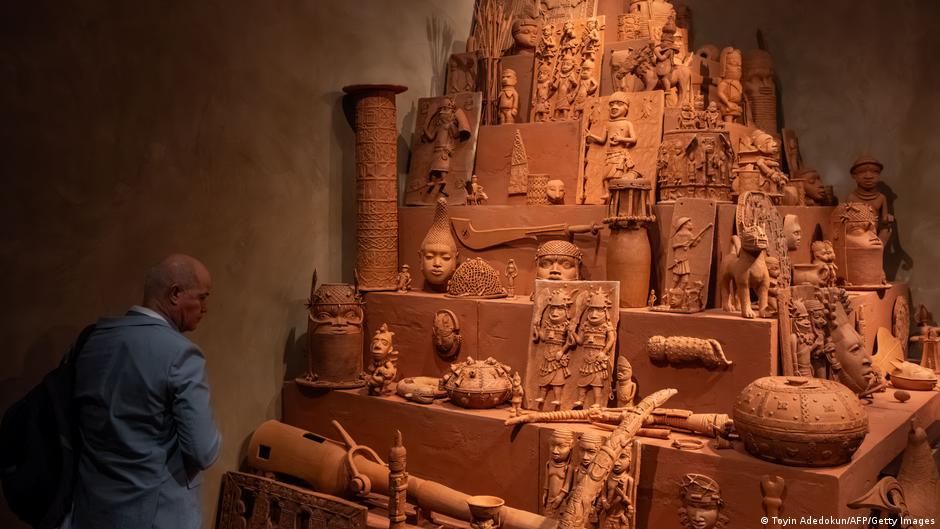
The Benin Bronzes are a collection of thousands of artifacts created by the Edo people from the 15th to the 19th century. These objects adorned the royal palace of the Kingdom of Benin until it was looted by British soldiers during the 1897 raid. Many of these treasures are now housed in Western museums, including the British Museum, Berlin’s Humboldt Forum, and New York’s Metropolitan Museum of Art.
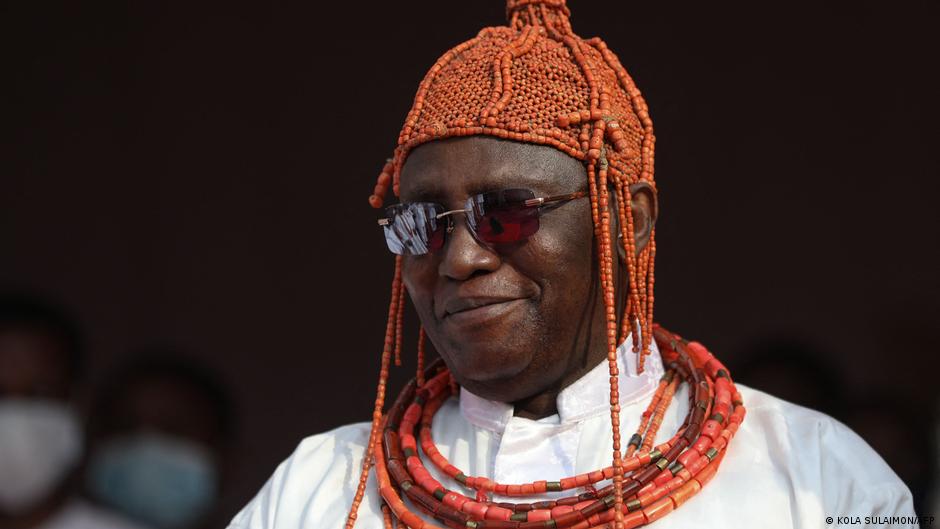
Following years of Nigerian claims, several European museums have agreed to return the artworks. In 2023, Nigeria’s then-President Muhammadu Buhari signed a law stating that the Oba of Benin, the traditional ruler of the Edo people, is the owner and custodian of the artifacts.
Concerns Over Ownership and Control
Critics worry that the Benin Bronzes could be privatized by the royal heir. Currently, many of the bronzes are displayed at the National Museum in Benin City, where a public exhibition is taking place from November 3-28. However, the Oba of Benin, Ewuare II, has expressed concerns about the new museum, leading to protests against its establishment.
“We consider the opening and the commissioning of MOWAA as illegal, as an insult on our revered throne,” said Osaru Iyamu, a protest leader. The protesters disrupted the museum’s opening week program by entering the main building during a preview event, leading to the evacuation of attendees.
Disputes Over Museum Leadership
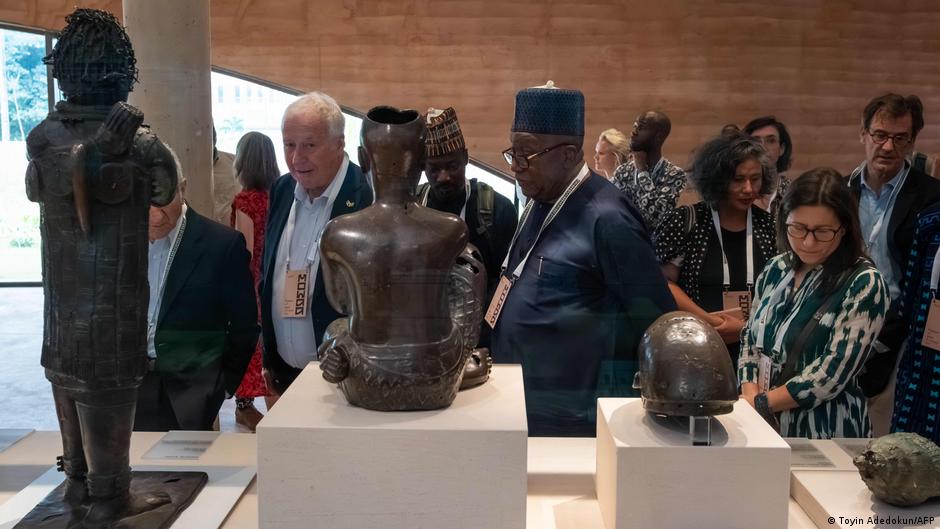
The director of MOWAA, Phillip Ihenacho, expressed sadness over the disruptions and hopes to engage in dialogue with all stakeholders. The Oba of Benin reportedly wants the museum under his control and its name changed to the Benin Royal Museum. He claims this was the original name used to promote and obtain funding for the institution.
“I have never pretended to be anything else,” Ihenacho stated, emphasizing that the museum has always been known as the Museum of West African Arts. MOWAA is a non-profit trust designed to remain independent of government influence.
Funding and International Support
The project, estimated to cost $25 million, has received support from various international bodies, including the French and German governments, the Getty Foundation, the Open Society Foundation, and the British Museum, along with backing from the Nigerian federal and Edo state governments.
Misinformation and Confusion
Reports have circulated that the Edo state government has reclaimed the land occupied by MOWAA, intending to restore it as the Benin Central Hospital. However, the German Ambassador to Nigeria, Annett Günther, denied these claims, calling them a social media scam. The governor’s office assured her that nothing has been revoked regarding MOWAA.
Modern Infrastructure and Cultural Identity
Ahead of the museum’s opening, discussions have focused on the absence of the Benin Bronzes in its display. The opening exhibition, “Nigeria Imaginary: Homecoming,” addresses Nigerian history, identity, and current events. For Ihenacho, developing infrastructures like MOWAA to promote new artistic voices and enhance Nigerian expertise on cultural heritage is part of Africa’s restitution process.
Conclusion
The complicated dispute involving politics, traditional royal culture, and international donors continues to hinder the ambitious vision of MOWAA. As the museum navigates these challenges, the future of this cultural institution remains uncertain.


