
A Local Father’s Fight to Preserve the Character of His Suburb
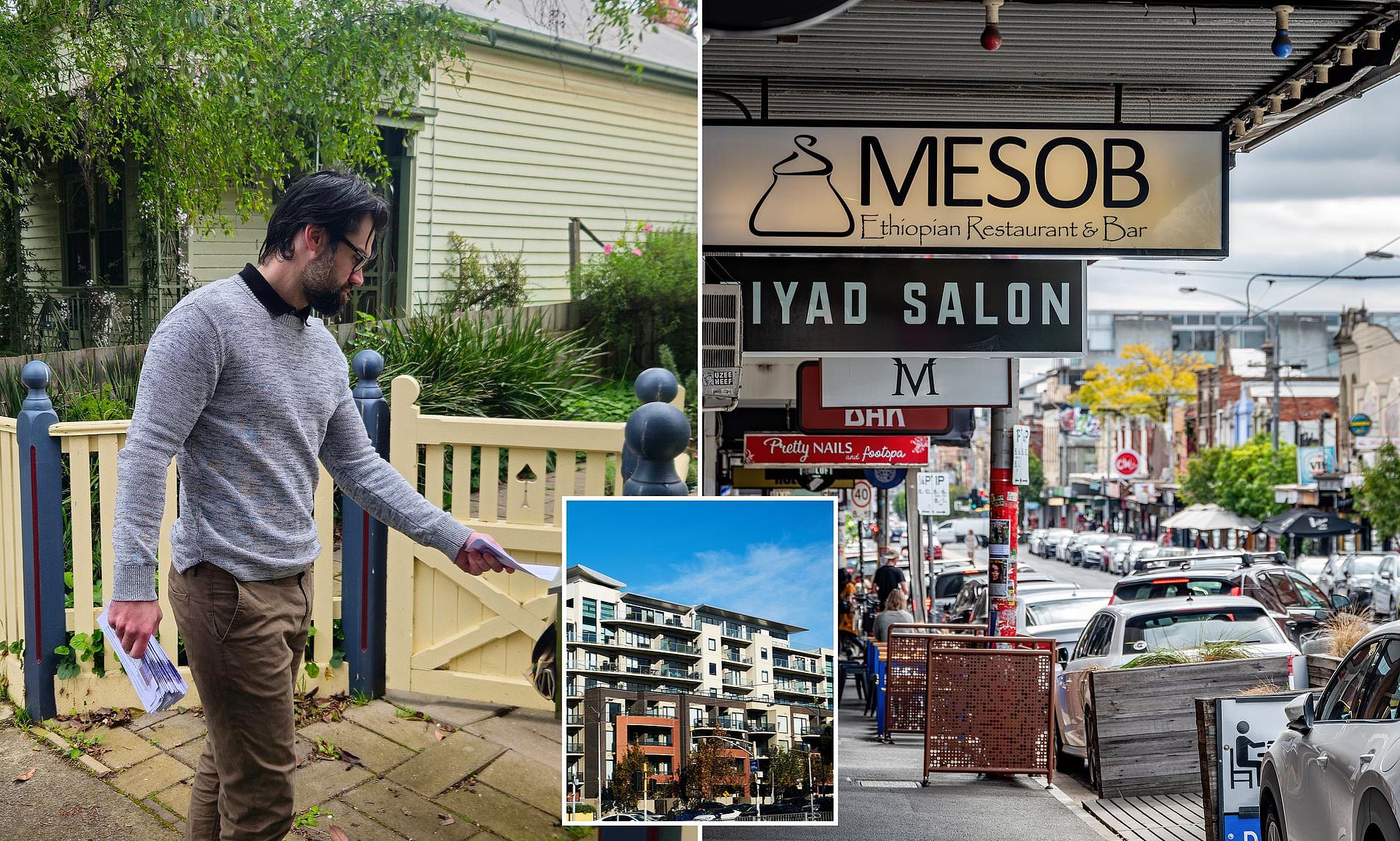
James Patto, a 36-year-old father from Melbourne, has become a vocal opponent of the Victorian government’s plan to rezone parts of his inner-city suburb, Thornbury, for high-rise apartment developments. He argues that the move is not only authoritarian but also threatens to fundamentally alter the character of the area.
“We’re not anti-development and we’re not NIMBYs,” Patto said. “But 12-storey towers on High Street and six-storey buildings in quiet residential streets will completely change this suburb.”
The government has identified Thornbury as one of 50 areas across Melbourne targeted for population growth under its ‘Activity Centres’ plan. The initiative aims to build 300,000 new homes by 2051. Under this plan, the state government would allow 12-storey apartments on High Street and up to six-storeys on surrounding residential streets.
Patto, who lives in east Thornbury with his wife and young son, has collected over 500 signatures on a Change.org petition. He does not oppose development entirely but prefers what he calls a “fair increase in our backyard” – or FIMBY.
His petition calls for height restrictions to be brought down to a maximum of six-storeys on High Street and four-storeys in certain surrounding areas. 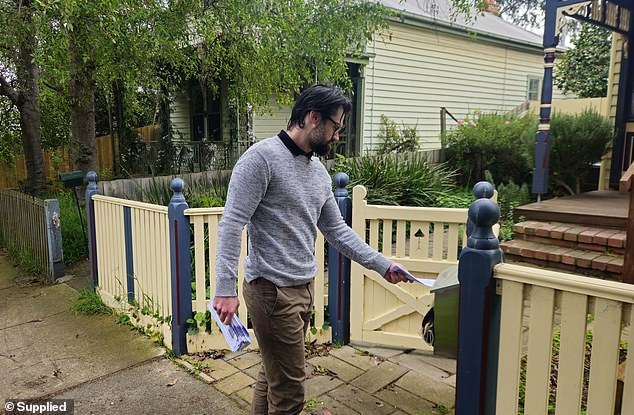


Community Consultations: A Question of Effectiveness
Patto claims that community consultations in Thornbury have been rushed and ineffective, with many locals unaware their homes were included in the rezoning. The process involves a two-step approach: a community reference group gathers views from residents before draft maps are released for feedback.
Patto attended his area’s community reference group meeting and said the draft maps showed no sign that the state government had listened to the concerns of residents.
“It feels like they’re saying: ‘We’re just going to make these changes and there’s nothing you can say about it,’” he said. “It feels very authoritarian, to be honest.”
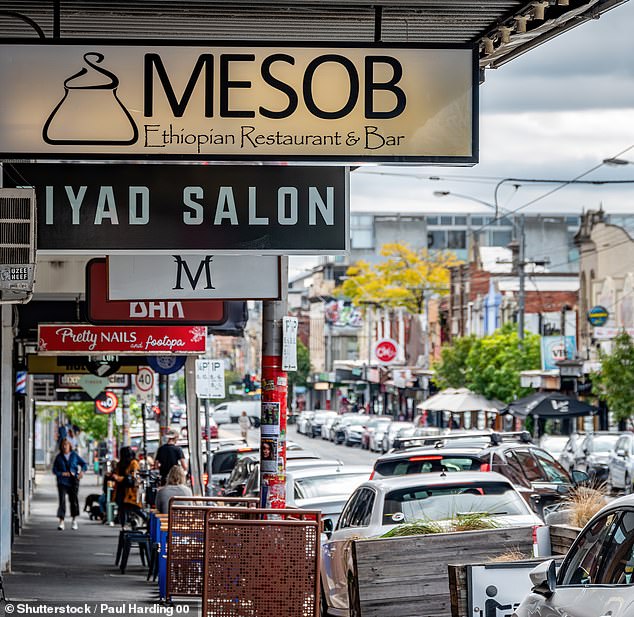
Patto and fellow campaigners have distributed around 3,000 flyers to raise awareness of the push. “People love Thornbury’s low-rise, village feel,” he said. “That’s what came through clearly in earlier surveys, and it’s being ignored.”
He warned that the plan risks replacing the area’s much-loved small shops with larger developments, undermining the street’s culture. 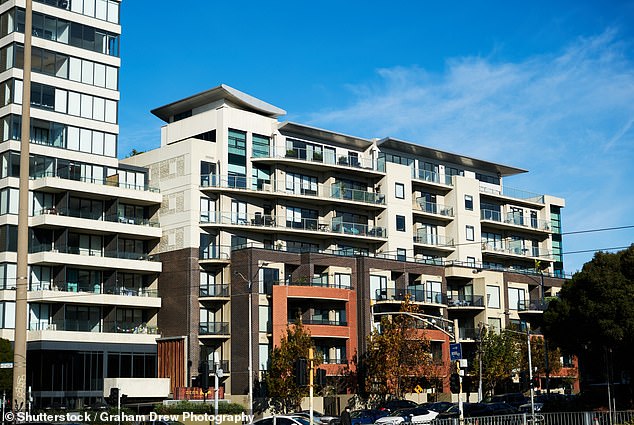

“You end up with big consolidated sites and businesses that don’t bring life to the street,” he said.
Residents are also concerned about infrastructure planning lagging behind the rezoning push, with no clear answers on parking, schools, childcare, or medical services. Patto believes the proposal ignores Darebin City Council’s own housing strategy, which identified more nuanced areas for growth.
Darebin City Council chief executive Anne Howard told the Daily Mail the council welcomed the state government’s plans and said its housing strategy would continue to guide local developments.
A Broader Debate on Urban Planning
Residents of other so-called activity centres, chosen for their proximity to transport hubs, have been similarly outraged. A mob of protesters turned out to oppose Allan’s urban housing plan when she first announced it within the well-heeled suburb of Brighton, led by a local MP.
The Premier promoted the activity centres as a way to usher workers and families into desirable suburbs closer to public transport routes. Stephen Glackin, senior research fellow in urban planning at Swinburne University of Technology, agrees, adding that building closer to existing transport and services makes sense.
“Densities create foot traffic which creates the capacity for more commercial activity,” he told the Daily Mail. “More people will simply add to the level of amenity, as the higher population will make more venues and services commercially viable. You have to consider the city as a whole, not just by council. Greater Melbourne needs this kind of planning.” 
However, property experts doubt the builds will be commercially viable, with development costs likely to outstrip what buyers are willing to pay.
Richard Temlett, national executive director of property advisory Charter Keck Cramer, believes the apartments would have to go for $875,000 to $1.05m to turn a profit. His research indicates buyers likely wouldn’t spend more than $775,000, leaving a gulf of at least $100,000.
“The Activity Centre policy is a great idea and policy, but the current costs of delivery in many markets is higher than the prices buyers can afford,” he told the Daily Mail. “If you break down the costs, you can see that government taxes and charges make up to 40 per cent of the costs of delivery, which is a major handbrake at present. Should some or all of these be removed, the costs will be lower than the price points, and new apartments will once again be able to be delivered.”
Government Response and Future Steps
The Victorian government began the rollout of the redevelopment program with ten pilot centres in areas including Broadmeadows, Frankston, and Ringwood. The height limits for certain areas within those pilot activity centres were lowered following public consultations.
“A Victorian Government spokesperson told the Daily Mail: “Victoria continues to build and approve thousands more homes than any other state in the country – but we know there is more to do. This is about making it easier to build more homes in areas that are well-connected to public transport – areas where Victorians have been locked out of for far too long. We’re prepared to make changes that reflect the feedback we get. That’s exactly what we did with the first ten pilot centres.”


