
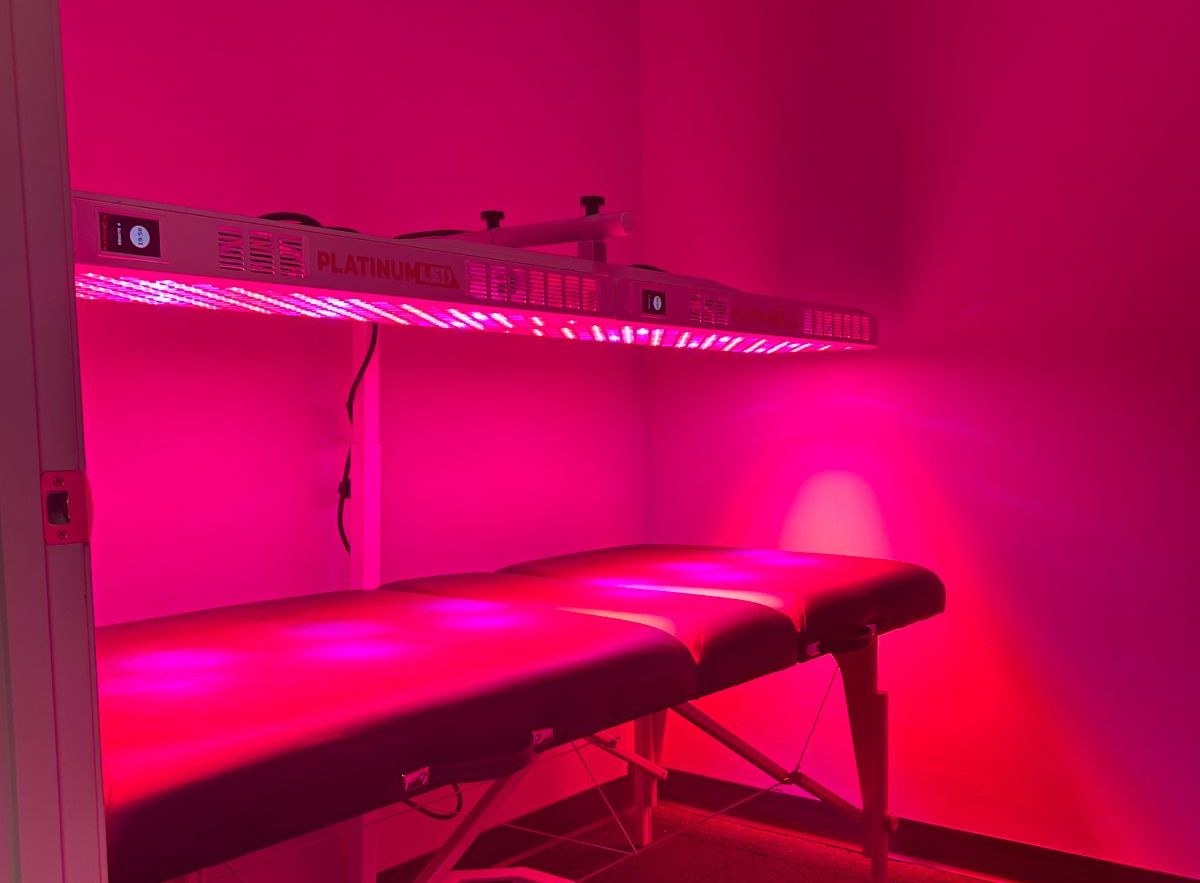
Understanding Red Light Therapy and Its Role in Recovery
Red light therapy, also known as photobiomodulation, has gained popularity as a tool for recovery. It involves applying specific wavelengths of light to the skin, which can penetrate below the surface and interact with cells at a deeper level. This process is believed to stimulate cellular activity, potentially increasing blood flow, reducing inflammation, and supporting healing.
Dr. Dominic King, a medical director at Cleveland Clinic, explains that red light therapy works by targeting mitochondria, the energy-producing parts of cells. When these mitochondria absorb the light, they produce more energy, which can lead to various benefits, including improved circulation and reduced inflammation.
While red light therapy is not a substitute for a comprehensive recovery routine, it can be a helpful addition. According to experts, factors like overall fitness, workout routines, and nutrition play a more significant role in recovery than any single tool. However, red light therapy may assist with muscle fatigue and soreness, making it an appealing option for many individuals.
The Growing Popularity of Red Light Therapy
The use of red light therapy has grown significantly in recent years, with products designed for various purposes such as skin care, pain relief, and tissue repair. John Gallucci Jr., CEO of JAG Physical Therapy, notes that athletes are particularly drawn to this therapy because it is non-invasive, low risk, and can be used alongside traditional recovery strategies like sleep, nutrition, and hydration.
Athletes often look for ways to enhance their performance and recovery without the need for invasive procedures. Red light therapy offers a convenient and accessible solution, allowing them to integrate it into their existing routines.
Can Red Light Therapy Help with Muscle Fatigue?
While some studies suggest that red light therapy may improve muscle recovery and reduce delayed onset muscle soreness, the results can vary. Dr. King emphasizes that it should not be seen as a shortcut for proper training, rest, and recovery. Instead, it should complement these essential practices.
For those looking to incorporate red light therapy into their recovery plan, it’s important to understand that individual responses may differ. It’s always advisable to consult with a healthcare professional before starting any new treatment.
Red Light Therapy and Pain Management
Experts agree that red light therapy can aid in pain management, but it is most effective when used as a complementary approach. According to Dr. King, the therapy may help reduce inflammation and improve local blood flow, which can influence pain signals.
However, it is crucial to use red light therapy appropriately. It is not intended to mask pain or dysfunction, which should be evaluated by a professional. Using the therapy for general soreness or post-exercise discomfort is reasonable, but it should not replace professional medical advice.
Selecting the Right Red Light Therapy Tools
When choosing red light therapy tools, several factors should be considered. These include FDA clearance, LED colors (wavelengths), and device type. Dr. Apple Bodemer, a board-certified dermatologist, highlights the importance of selecting devices that are FDA-cleared, as this indicates that they have been reviewed and approved for safety and efficacy.
In terms of LED colors, red and near-infrared wavelengths are most beneficial for recovery, inflammation, and pain management. Devices that incorporate these wavelengths are typically recommended.
Device types vary, with options ranging from panels and wands to wraps and masks. This variety allows users to choose the best fit for their needs and preferences.
Recommended At-Home Red Light Therapy Tools
Several at-home red light therapy tools are available, each with unique features and benefits:
-
Celluma Restore: This versatile device is suitable for pain and recovery, offering multiple modes for hair and skin treatments. It is wireless and portable, making it ideal for various use cases.
-
Lightstim Recovery Loop: Designed for targeting multiple body parts, this device is simple to use and comes in one-pod and two-pod options, catering to different budgets and needs.
-
Therabody ThermBack LED Back Wrap: This multi-functional wrap includes red, near-infrared, and infrared LEDs, along with heat and vibration therapy. It is best suited for the lower back due to its design.
-
Dpl Joint Wrap: A lightweight and affordable option, this wrap is ideal for treating joints such as the shoulder, elbow, knee, and ankle. It is portable and cost-effective, making it a great choice for those new to red light therapy.
Does Red Light Therapy Work?
While red light therapy has shown promise in increasing blood flow, reducing inflammation, and aiding in healing, there is a lack of high-quality scientific studies on its effectiveness. Some research is funded by companies that manufacture red light products, which can introduce bias. Additionally, many studies focus on higher-powered devices used in clinical settings rather than at-home models.
Despite these limitations, experts believe there is enough evidence to suggest that red light therapy may be beneficial when used as part of a broader treatment strategy.
Meet Our Experts
At NBC Select, we work with experts who have specialized knowledge and authority in their respective fields. Our team ensures that all advice and recommendations are made independently and without undisclosed financial conflicts of interest.
- Dr. Apple Bodemer is a board-certified dermatologist and professor of dermatology at the University of Wisconsin School of Medicine and Public Health.
- John Gallucci Jr. is the CEO of JAG Physical Therapy.
- Dr. Dominic King is the medical director of clinical access and virtual health at Cleveland Clinic, and director of the Esports medicine program.
Why Trust NBC Select?
As a reporter covering technology, fitness, and deals, I have explored various tools and devices, including smartwatches, running shoes, and home health equipment. To better understand the nuances of red light therapy, I consulted with three experts and spoke with NBC Select staff who have tested at-home devices.
For more information on tech and tools, wellness, and other topics, visit our coverage and follow us on social media platforms like Facebook, Instagram, Twitter, and TikTok.


