
New Strategies to Attract Global Talent
Sungkyunkwan University made a significant move in August of this year by appointing an engineer who played a key role in developing a humanoid robot at a U.S. big tech company as a professor in its College of Engineering. This decision was part of a broader effort to attract top talent from around the world, especially in the field of robotics.
To lure the engineer, known as a “rising star” in the robotics industry, the university took several unconventional steps. It established a new robotics department and even revised its faculty recruitment process by skipping the mandatory “paper review.” Instead, during the interview, the focus was on assessing the technical capabilities of the engineer’s research through a video demonstration of the robot in action. Additionally, the university allowed the engineer to continue working at the U.S. tech company until February of next year before officially joining in Korea.
A university official shared that although the annual salary is lower than what the engineer would earn at the U.S. big tech company, they succeeded in recruiting him by promising a research environment that aligned with his aspirations. The engineer expressed optimism, stating, “I will create our own humanoid robot within two years.”
Challenges in Recruiting Global Talent
Domestic universities have struggled to attract global talent due to lower salaries and less favorable working conditions compared to institutions in the U.S., China, and Europe. They also faced difficulties in retaining Korean professors who sought opportunities abroad. In response to the rapid rise of Chinese, Singaporean, and Hong Kong universities—supported by government initiatives—Korean universities overhauled their recruitment strategies.
Instead of focusing solely on high salaries, they began using various means and resources to attract top talent. These included allowing concurrent positions for a certain period, providing advanced research equipment, and innovating faculty selection systems. As a result, successes like Sungkyunkwan’s recruitment are becoming more common.
Balancing Research and Career Growth
Baek Sang-hoon, vice president of academic affairs at Sungkyunkwan University, emphasized that while high salaries are important for young professors during job transitions, they also value opportunities for growth through diverse research experiences. He stated, “To win over these emerging professors, university leadership must fiercely contemplate and push for realistic recruitment plans at the institutional level.”
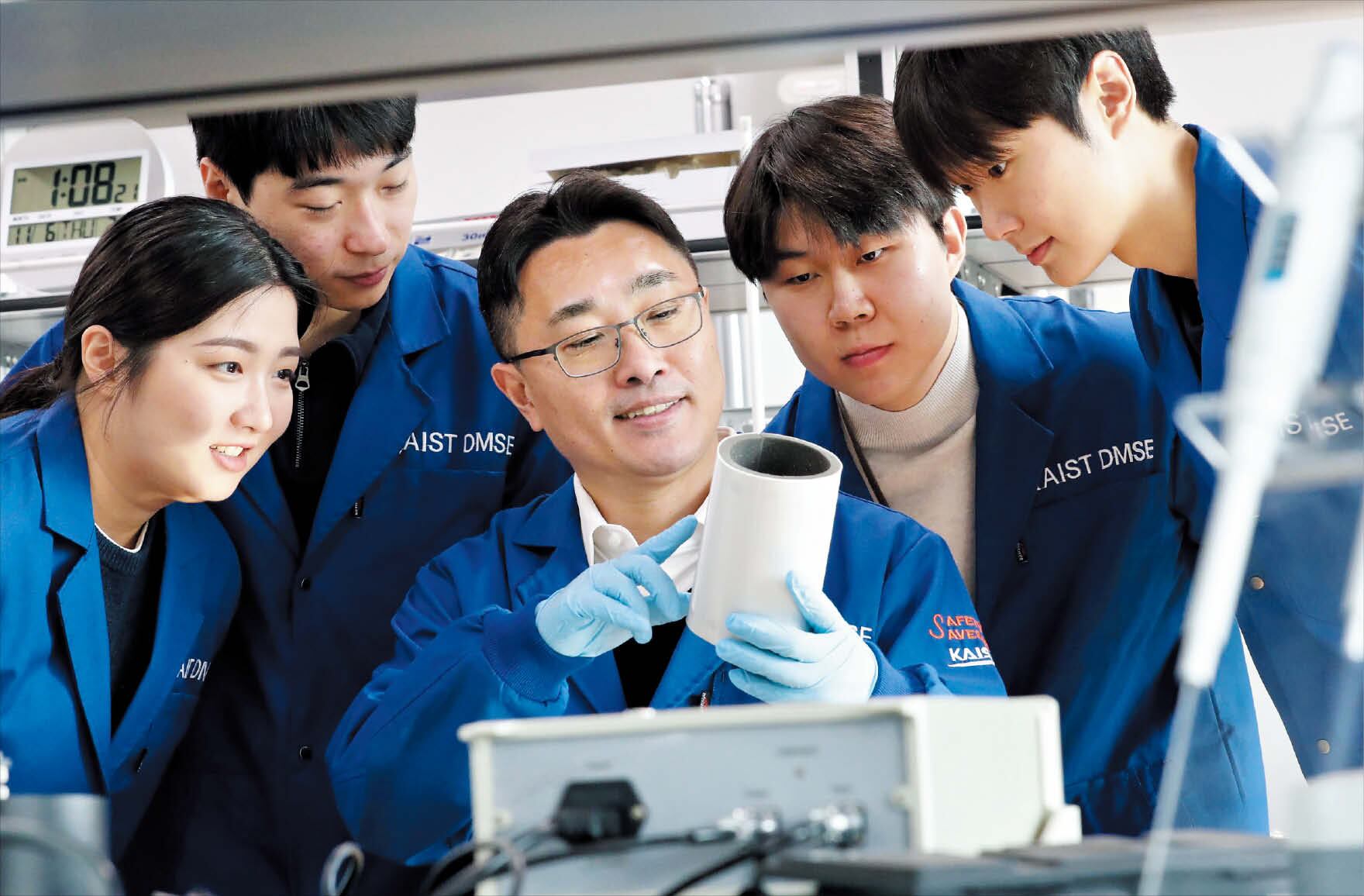
Professor Kang Sung-hoon, 51, who previously worked at Johns Hopkins University in the U.S., moved to the Department of Materials Science and Engineering at KAIST in August of last year. Despite joining KAIST, he continues to work on research at his former institution. KAIST allowed him to hold a concurrent position to complete his ongoing research at Johns Hopkins, which was a break from convention to secure his move.
Professor Kang, a leading authority in bio-inspired materials, has published numerous papers in top international journals. Initially hesitant due to lower salaries and conditions, he decided to relocate after KAIST promised the best research environment, including high-cost experimental equipment and housing support.
Supporting Ongoing Research and Innovation
Lee Gyun-min, KAIST’s vice president for academic affairs, highlighted that professors are most concerned about continuing their existing research when changing jobs. He said, “Our strategy focuses entirely on maintaining the ‘research capabilities’ of recruited professors.” He added that when they recently recruited two overseas professors, they also accepted 20 of their graduate students, which significantly contributed to their success.
Other domestic universities, including Sungkyunkwan, are increasingly allowing concurrent positions to attract top faculty. Previously, it was nearly impossible for Korean universities to recruit top-tier researchers from U.S. and European universities or big tech firms. Even when star professors joined, they often served short-term appointments before retirement or conducted online classes for domestic students a few times a year while staying abroad.
However, recent tailored strategies—such as providing optimal research conditions based on the target’s needs—have begun to yield success. Notably, the increase in young professors in their 30s and 40s, who can continue to contribute to the domestic academic community, is encouraging. Although overseas professors who recently moved to Korea often face a 50–60% salary reduction, many express satisfaction with the research environment.
Attracting Researchers Through Research Opportunities
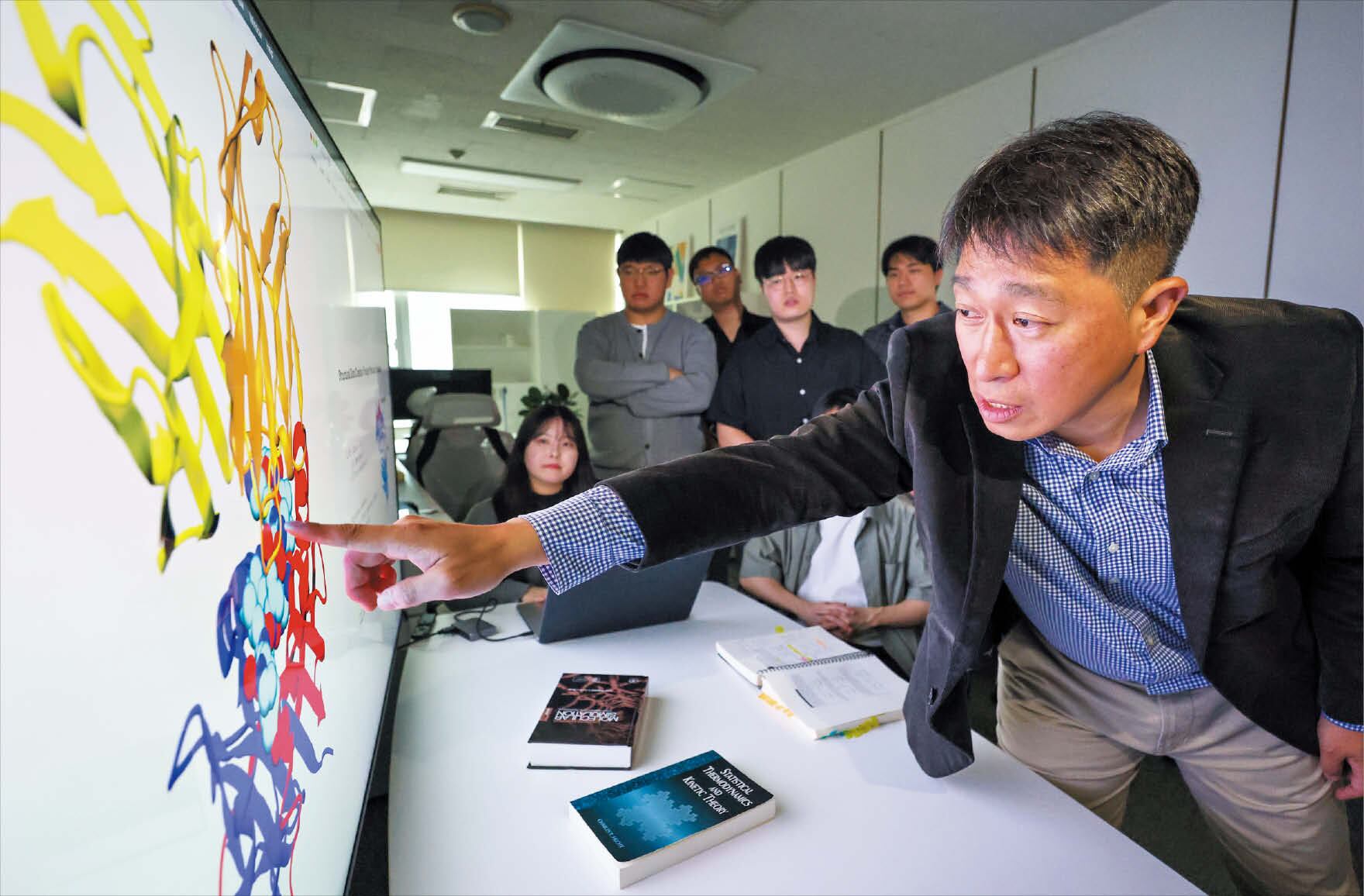
Professor Kang Seung-goo, 52, of Sungkyunkwan University’s Department of Nano Engineering, moved to Korea from IBM Research, a subsidiary of IBM, in early last year. His salary dropped to one-third of his previous level, but he chose to work in Korea because of the research opportunities available. Professor Kang, who received the “Outstanding Researcher Award” six times—reserved for the top 1% of researchers at IBM—developed AI-based research that reduces new drug development time by half by analyzing millions of chemical compounds.
Following the Google scientists’ Nobel Prize in Chemistry in 2023 for AI-based protein structure prediction, AI-driven drug research has gained further attention. Despite his increased market value, Professor Kang chose to work in Korea because of the advanced analytical equipment and large hospital infrastructure for clinical research available in Korea.
Yonsei University also recruited AI expert Professor Lee Bong-shin, formerly of Microsoft Research, by promising incentives, research funding, and lecture adjustments for the next three years.
Government Support and Startup Opportunities
To compensate for lower salaries and conditions compared to overseas universities, government support is also utilized. POSTECH recently recruited Dr. Choi Young-jun, 35, from Caltech in the U.S., who had published four papers in Nature. The university provided 3 billion Korean won in research settlement funds through programs like the National Research Foundation’s overseas talent recruitment project.
Universities are also actively using “startup support” to attract top researchers. While big tech companies in Silicon Valley offer high salaries, they restrict researchers to assigned projects and prohibit independent startups. Korean universities leverage this limitation by highlighting their startup support policies when recruiting corporate researchers.
Professor Lee Ki-min, 37, of KAIST’s AI Graduate School, moved from Google Research in August 2023. Although OpenAI also offered him a position, he chose KAIST. The university’s promise to provide separate space for startups and administrative support to secure initial investments proved effective. Professor Lee said, “While salary is important, researchers also desire to start their own businesses using their expertise. Although my salary decreased significantly after moving to KAIST, I am satisfied because I can conduct the research I want and have startup opportunities.” He is currently active in a university venture led by a KAIST colleague.


