
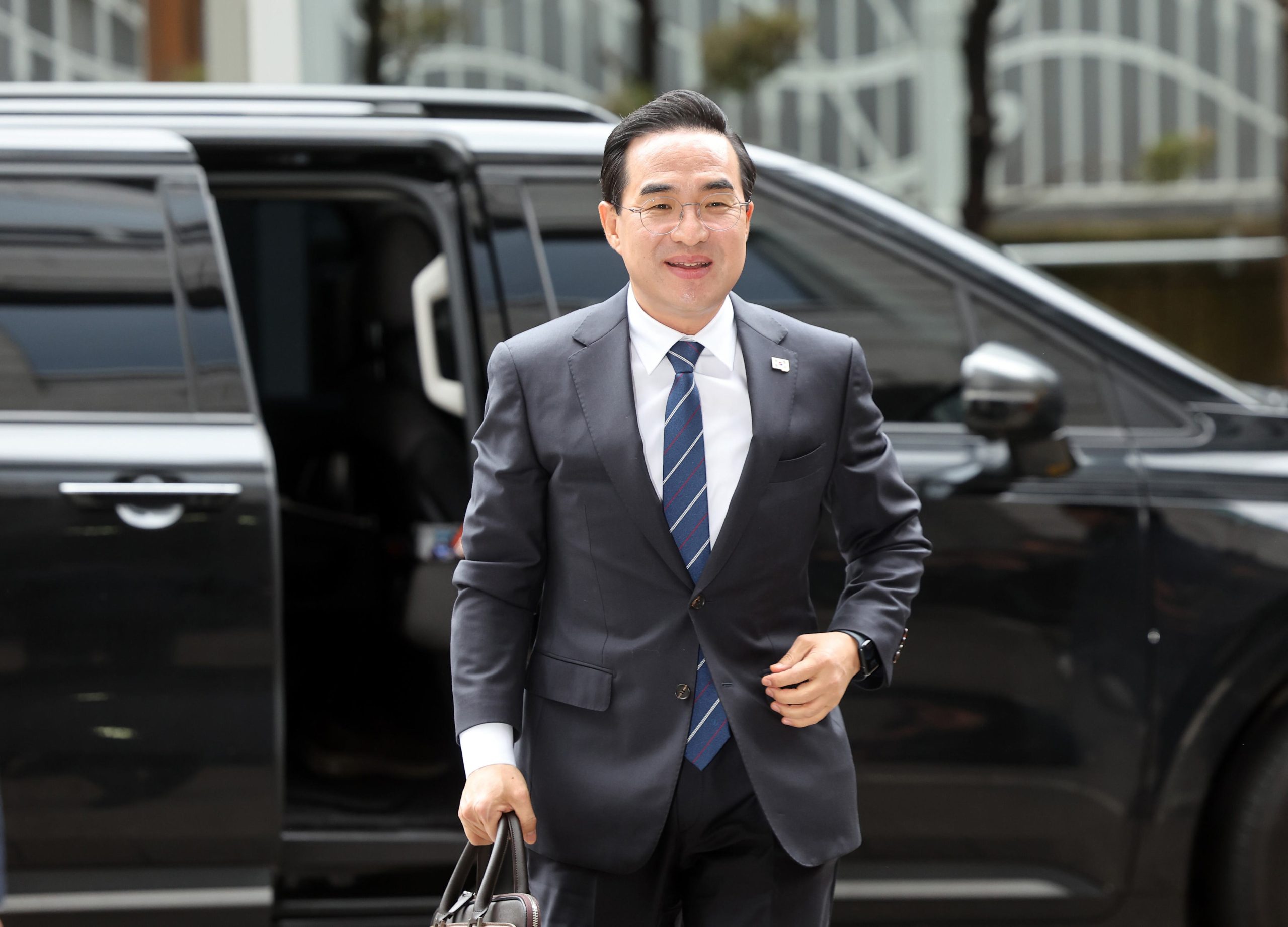
A Strategic Move: Appointing a Pro-Lee Figure to the Ministry of Planning and Budget
President Lee Jae Myung’s unexpected decision to nominate Park Hong-keun, a four-term member of the Democratic Party of Korea and a senior figure within the party, as the Minister of Planning and Budget has sparked significant debate. This appointment, made nearly two months after the position became vacant, raises concerns about the potential influence of political allies on national fiscal policies.
Park, who played a key role in shaping the budget framework during his time at the State Affairs Planning Committee, is now transitioning from being the architect of the “Lee Jae Myung-style budget” to its executor. This shift comes at a crucial time, with discussions around a “cherry blossom supplementary budget” intensifying and large-scale national projects on the horizon. As a result, the nation’s fiscal control is now in the hands of one of the president’s closest allies.
While some worry that political considerations may overshadow fiscal responsibility, others believe this move reflects a pragmatic approach. Deputy Prime Minister for Economic Affairs Koo Yun-cheol, whose influence has been limited since the government took office, may face further marginalization as a result of this appointment.
Addressing Fiscal Concerns
On his first day in office, Park Hong-keun emphasized the importance of fiscal responsibility, stating, “Finance is not a bottomless well.” He also highlighted the need to explore sustainable active fiscal policy, especially given the challenges facing the livelihood economy. His remarks suggest an attempt to balance budget cuts with strategic fiscal use—a dual approach that many question whether a pro-Lee minister can realistically achieve under the current administration’s expansionary fiscal stance.
This appointment follows the withdrawal of former nominee Lee Hye-hoon, who stepped down after allegations of abuse of power by aides and real estate speculation. With critical deadlines such as the establishment of budget compilation guidelines in March and the National Fiscal Strategy Meeting in May approaching, the prolonged vacancy risked disrupting the entire budget process.
The Cheong Wa Dae has emphasized “stability and continuity” in this appointment. Analysts believe that the difficulty in finding a suitable candidate from the opposition after Lee Hye-hoon’s withdrawal accelerated the “pro-Lee card.” The rationale behind this move is seen as prioritizing pragmatism over experimentation, placing someone who deeply understands President Lee’s governance philosophy in a key position.
Key Fiscal Deadlines and Policy Directions
Park’s assumption of the treasury keys coincides with critical fiscal deadlines. The Planning and Budget Ministry must finalize budget compilation guidelines by month-end, which will set the criteria for next year’s budget requests from each ministry. In May, it must prepare for the president-hosted National Fiscal Strategy Meeting—a venue where the Lee Jae Myung government will unveil its fiscal philosophy and the basic direction for the next five years of fiscal management.
On his first day, Park stated, “We will strengthen the Planning and Budget Ministry’s future strategy function, looking 30 years ahead,” adding, “Our top priority is to bolster strategic capabilities for national transformation and create growth engines in hyper-innovation sectors like AI and robotics.” He also stressed, “While finance is not a bottomless well, we must wield taxpayers’ money judiciously and ruthlessly cut unnecessary budgets.”
However, some interpret these remarks as signaling expansionary fiscal intent. Park also noted, “As the livelihood economy teeters on the brink, we must explore sustainable active fiscal policy,” raising doubts about whether balancing budget cuts and active spending—a “two rabbits” approach—is feasible under a pro-Lee key minister.
Concerns Over Economic Bureaucracy
Another concern is the narrowing influence of Deputy Prime Minister Koo Yun-cheol, who oversees macroeconomic management and policy coordination among economic ministries. Park’s statement suggests that the Planning and Budget Ministry will lead national economic strategy, encroaching on the Deputy Prime Minister’s domain.
Despite Koo’s role in leading the split Ministry of Economy and Finance and overseeing macroeconomics, his influence has been weak since the government’s inception. With Park—a pro-Lee key minister directly connected to the president—now heading the budget control tower and self-tasking as the nation’s future strategy designer, economic policy gravity may shift toward Park.
Koo publicly pledged last December to hold monthly three-party consultative meetings with the Planning and Budget Ministry and the Financial Services Commission. However, these meetings never convened due to the Planning and Budget Minister vacancy. While they may resume after Park’s appointment, questions arise whether Koo can maintain independence with a pro-Lee key figure at the table.
Within the Planning and Budget Ministry, there is cautious optimism. A source from the ministry said, “Having a leader who can firmly voice opinions within the administration makes work easier.” Another added, “Lee Hye-hoon lacked support even within the ruling party, causing operational paralysis, but Park’s appointment may reduce such inefficiencies.”
Balancing Politics and Fiscal Policy
Park emphasized, “Fiscal governance cooperation between ruling and opposition parties is crucial,” but how he balances politics and fiscal policy—as both designer and executor of the “Lee Jae Myung-style budget”—will be a key focus of his confirmation hearing.

Membership Offers
월 5900원 멤버십, 신문 독자에게는 2900원, 조선멤버십
55000원 상당의 신문-잡지 8종 마음껏 보기, 조선멤버십
현금처럼 쓸 7000포인트 받아 알뜰한 쇼핑, 조선멤버십


