
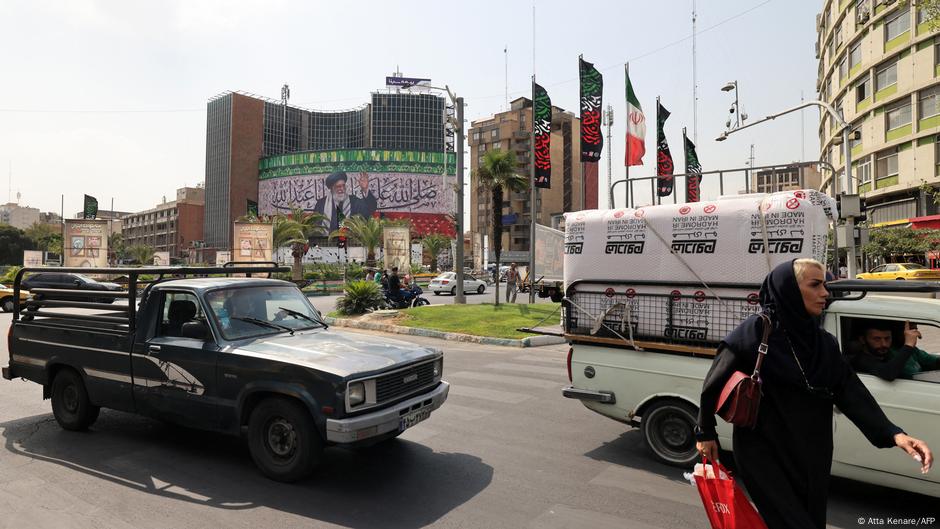
Iran Recalls Ambassadors Amid Imminent UN Sanctions
Iran has recalled its ambassadors to Germany, France, and the United Kingdom for consultations as the country braces for the reimposition of United Nations sanctions. This move comes after European nations accused Iran of failing to meet its obligations under the 2015 nuclear deal. The sanctions, known as “snapback” measures, are set to take effect at midnight GMT on Sunday unless a last-minute breakthrough is achieved.
The European Union countries—Britain, France, and Germany—triggered the sanctions in late August, initiating a 30-day process. These sanctions were activated due to concerns over Iran’s lack of transparency regarding its nuclear program. Despite last-ditch talks between Tehran and the three European nations, no resolution was reached, leading to the current standoff.
Reimposition of UN Sanctions
The reimplementation of UN sanctions marks the first time in a decade that such measures have been enforced against Iran. The sanctions include freezing overseas assets, banning arms deals with Iran, and penalizing ballistic missile development. Additionally, they require authorization for inspections of Iran Air aircraft and Iran Shipping Lines cargo for banned goods.
European foreign ministers issued a joint statement urging Iran to avoid any escalatory actions and return to compliance with its legally binding safeguards obligations. They emphasized that the reimposition of sanctions is not the end of diplomacy but rather a step toward resolving the ongoing stalemate.
U.S. Secretary of State Marco Rubio also called on UN member states to implement the sanctions to pressure Iran’s leadership into taking actions that benefit both the nation and global safety.
Lebanon’s Hezbollah Marks One-Year Anniversary
In Lebanon, the Hezbollah militant group and political party is commemorating the first anniversary of the death of its former leader, Hassan Nasrallah. The group is expected to hold large gatherings in the southern suburbs of Beirut, where it maintains strong support. New secretary-general Naim Qassem is set to deliver an address during the commemoration.
Nasrallah, who led Hezbollah for over 30 years, played a significant role in shaping the group’s influence in Lebanon. His leadership saw the group force Israeli soldiers out of southern Lebanon in 2000, ending an 18-year occupation. However, tensions between Hezbollah and Israel escalated in September 2024, leading to a conflict that resulted in the deaths of thousands of Lebanese.
UAE Foreign Minister Calls for End to Gaza War
Meanwhile, the United Arab Emirates (UAE) Foreign Minister Sheikh Abdullah bin Zayed Al Nahyan met with Israeli Prime Minister Benjamin Netanyahu at the United Nations General Assembly. During the meeting, the UAE minister urged an end to the war in Gaza, emphasizing the need for a comprehensive peace based on the two-state solution.
This meeting marks the first time Netanyahu has met with a senior Arab official since Israel targeted Qatar on September 9. The UAE reiterated its commitment to supporting initiatives aimed at achieving peace between Palestinians and Israelis.
Syria Issues Arrest Warrant for Assad
Syria has issued an arrest warrant for former president Bashar Assad, who was ousted in December 2024. The charges relate to the 2011 Daraa incidents, which marked the beginning of a brutal crackdown by government forces against a pro-democracy uprising. The conflict led to widespread destruction and loss of life, with rights groups accusing the Assad regime of human rights violations.
Assad fled to Russia after being overthrown by a rebel alliance. The arrest warrant can be distributed through Interpol, allowing for international pursuit of the former leader.
Iraq Resumes Kurdish Oil Exports to Turkey
Iraq has resumed oil exports from the semi-autonomous Kurdistan region to Turkey after a two-and-a-half-year deadlock. The pipeline, which transports crude oil to Turkey’s Ceyhan port, restarted operations smoothly, with around 180,000-190,000 barrels per day expected to flow.
The resumption follows an agreement between Iraq’s federal government, the Kurdistan regional government, and foreign oil producers. Previously, Kurdish authorities had sold oil independently, but this practice was deemed illegal by the International Chamber of Commerce in Paris.
Iran’s Response to Sanctions
Iran has responded to the impending sanctions by recalling its ambassadors to Germany, France, and the UK for consultations. Iranian President Masoud Pezeshkian downplayed the threat of sanctions, stating that “it is not like the sky is falling.”
Despite the diplomatic efforts, the UN Security Council did not pass a resolution to delay the sanctions, as only four countries supported the proposal. Britain’s envoy to the UN, Barbara Wood, stated that there is no clear path to a swift diplomatic solution, confirming that the sanctions would be reimposed this weekend.
As the situation continues to evolve, the Middle East remains a focal point of international concern, with developments in Iran, Lebanon, Gaza, and Syria shaping the region’s geopolitical landscape.


