
Migrants Continue to Risk Dangerous Journeys Despite New Asylum Reforms
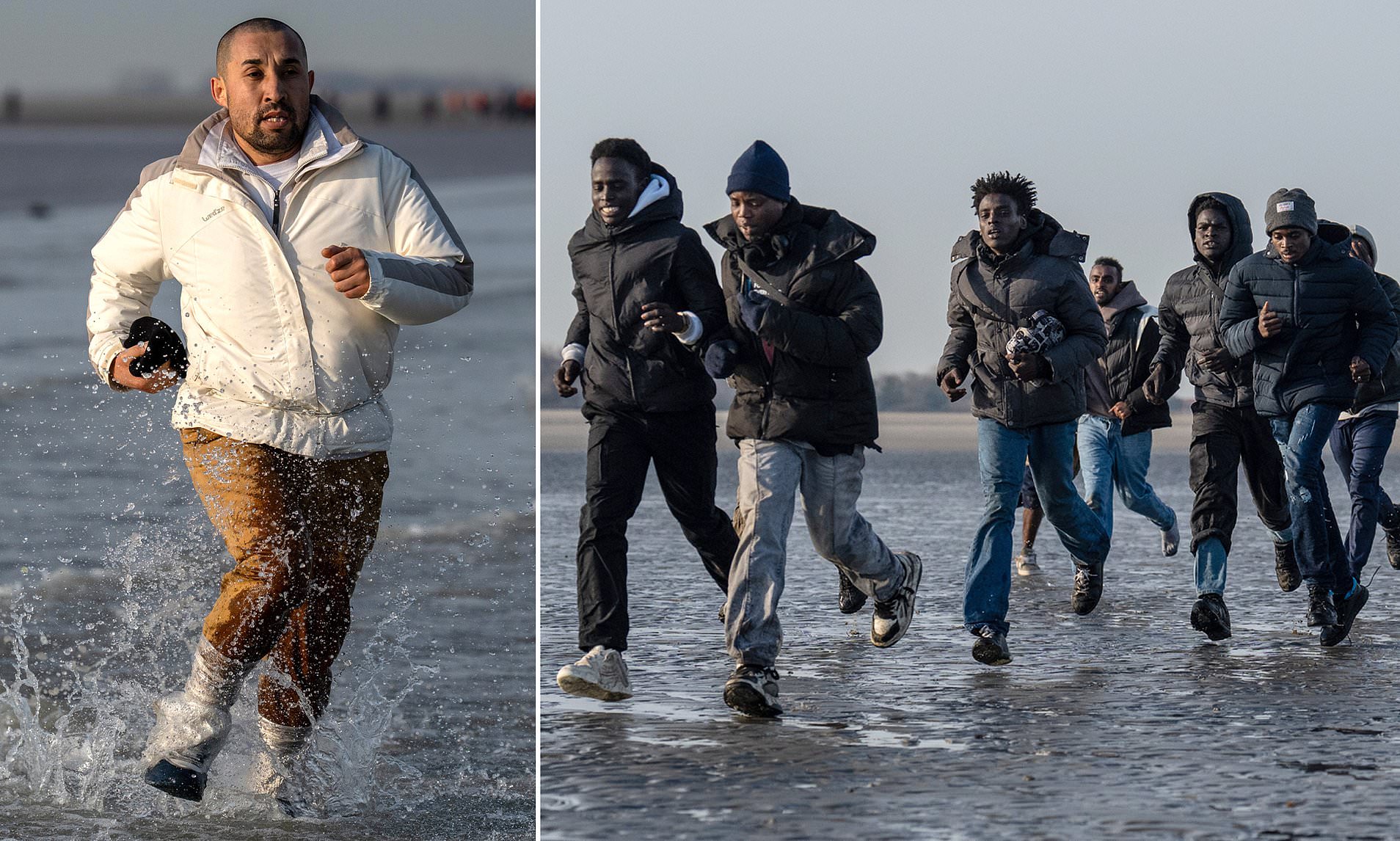
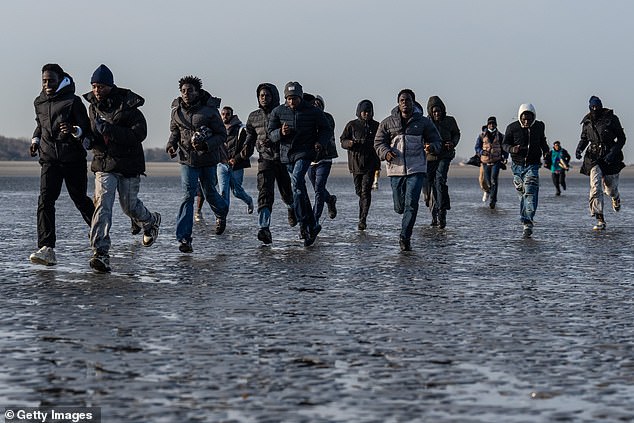
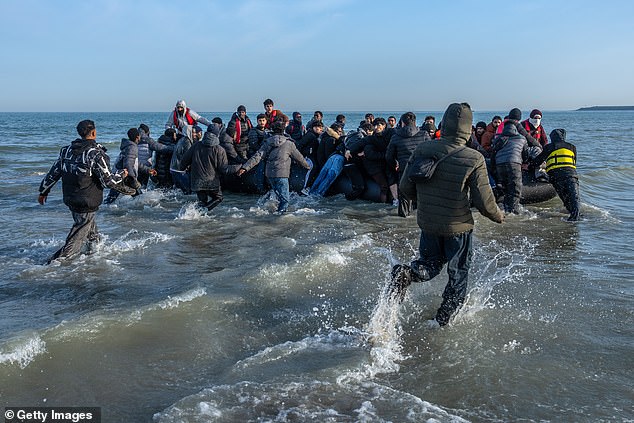
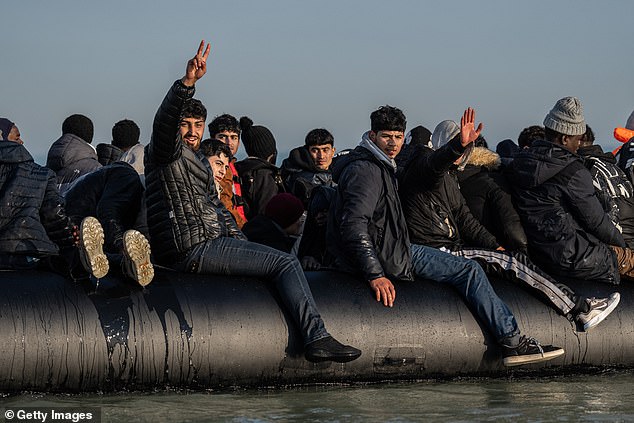
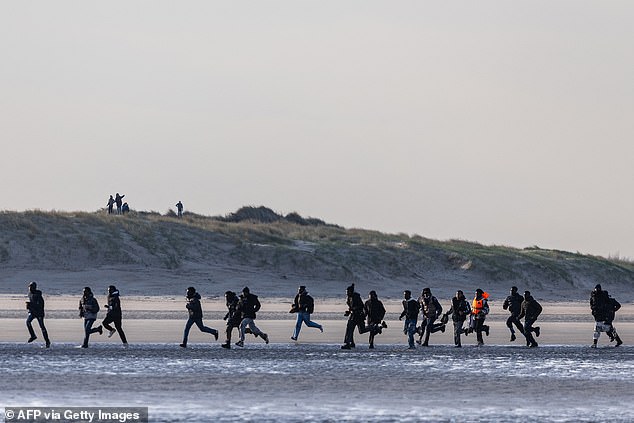
Scores of migrants have been captured on camera sprinting across a beach in northern France, attempting to reach UK-bound dinghies. This scene unfolded at Gravelines beach, east of Calais, as young men braved the surf to secure spots on overcrowded inflatables. Their determination highlights the ongoing challenges faced by those seeking asylum in the UK, despite recent changes to the asylum system.
The Home Secretary, Shabana Mahmood, introduced new reforms aimed at reducing the number of people arriving in the UK through dangerous crossings. She described the changes as “firm but fair,” stating that successful asylum seekers would be allowed to stay in Britain for 30 months before needing to re-apply or return home. However, critics argue that these reforms will not significantly alter the current situation, as asylum seekers can still challenge their removal through human rights claims.


The reforms have sparked debate about their effectiveness. Currently, migrants granted refugee status are given five years of leave to remain, with the possibility of applying for indefinite leave to remain (ILR) after a year. Under the new rules, those granted humanitarian leave to remain for 30 months would be expected to leave if it is safe to return to their home country. The Home Office has stated that those who refuse to leave voluntarily could face enforced deportation, but it remains unclear how this will increase the current low levels of asylum removals.
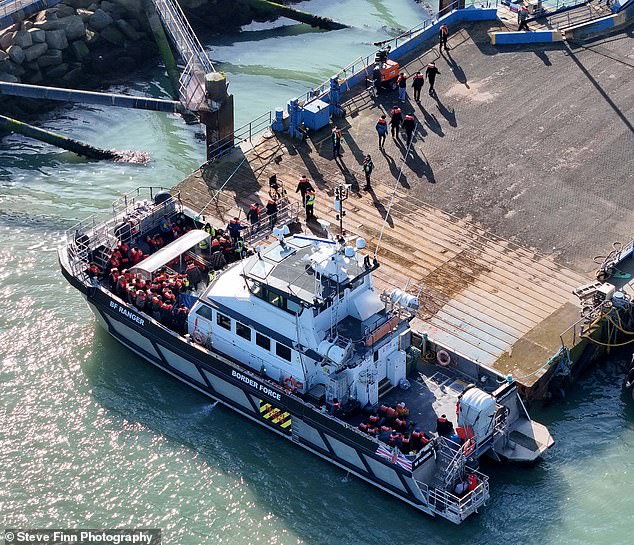
At least one boatload of migrants has already been intercepted mid-Channel by UK Border Force vessels and transported to Ramsgate, with more expected. The first Border Force catamaran, Ranger, arrived at the Kent port around 2 pm, followed by another vessel, Hurricane. A third ship, Defender, was also engaged mid-Channel, suggesting the total number of arrivals could reach into the hundreds.

Before the announcement, asylum seekers granted refugee status were given five years of leave to remain. The new policy aims to create a system where individuals must re-apply for asylum every few years, which critics argue will not deter illegal immigration. Shadow Home Secretary Chris Philp criticized the reforms, stating that they will not stop the influx of migrants as long as the UK remains part of the European Convention on Human Rights (ECHR). He suggested that exiting the ECHR and deporting migrants within a week of arrival would be the only effective solution.
Ms. Mahmood defended the reforms, emphasizing that the UK will continue to provide sanctuary to those fleeing war and persecution. She acknowledged the need to ensure the asylum system does not create incentives for dangerous journeys, which fuel human trafficking. She stressed that genuine refugees will find safety in Britain, but the system must also reduce the factors that draw people here in large numbers.
Rising Asylum Applications and Challenges
Recent figures show a significant increase in the number of people granted asylum by the Home Office. Nearly 55,000 migrants were given refugee status or permission to stay in Britain in the year to December, a 35% rise compared to the previous year. However, this number is still 14% below the peak seen in 2023. Eritreans accounted for the largest group, with just under 8,700 successful asylum claims, followed by Sudanese and Iranians.
These figures only include those granted asylum at the initial decision stage and do not account for those who successfully appealed against refusals. There were 46,497 illegal arrivals in 2025, a 7% increase from the previous year. Most of these came via small boats across the Channel, with a 13% rise in such arrivals.
Asylum claims totaled 101,000, a four percent decrease from the previous year but still near record levels. There was a notable surge in claims from African nationals, particularly Somalis, Ethiopians, Eritreans, and Sudanese.
More than 31,000 migrants were housed in hotels at the taxpayers’ expense at the end of December, with nearly 73,000 in other accommodations. Only 2,550 small boat migrants were deported during the year.
One of Sir Keir Starmer’s first actions as Prime Minister was to cancel the previous government’s Rwanda asylum deal, which aimed to deter crossings by sending migrants to east Africa. Ms. Mahmood admitted that the new ‘one in, one out’ deal with France has not yet reduced the number of crossings, with only 367 migrants brought into the UK and 305 removed under the agreement.


