
The Growing Crisis of PFAS Contamination in the Great Lakes
Millions of Americans are unknowingly exposed to cancer-causing forever chemicals that are contaminating the nation’s largest water supply. These toxic substances, known as Per- and Polyfluoroalkyl Substances (PFAS), have been detected in alarming levels in wildlife and fish across the Great Lakes region. Three states—Wisconsin, Minnesota, and Michigan—have issued warnings for local wildlife and fish, urging residents not to consume them.
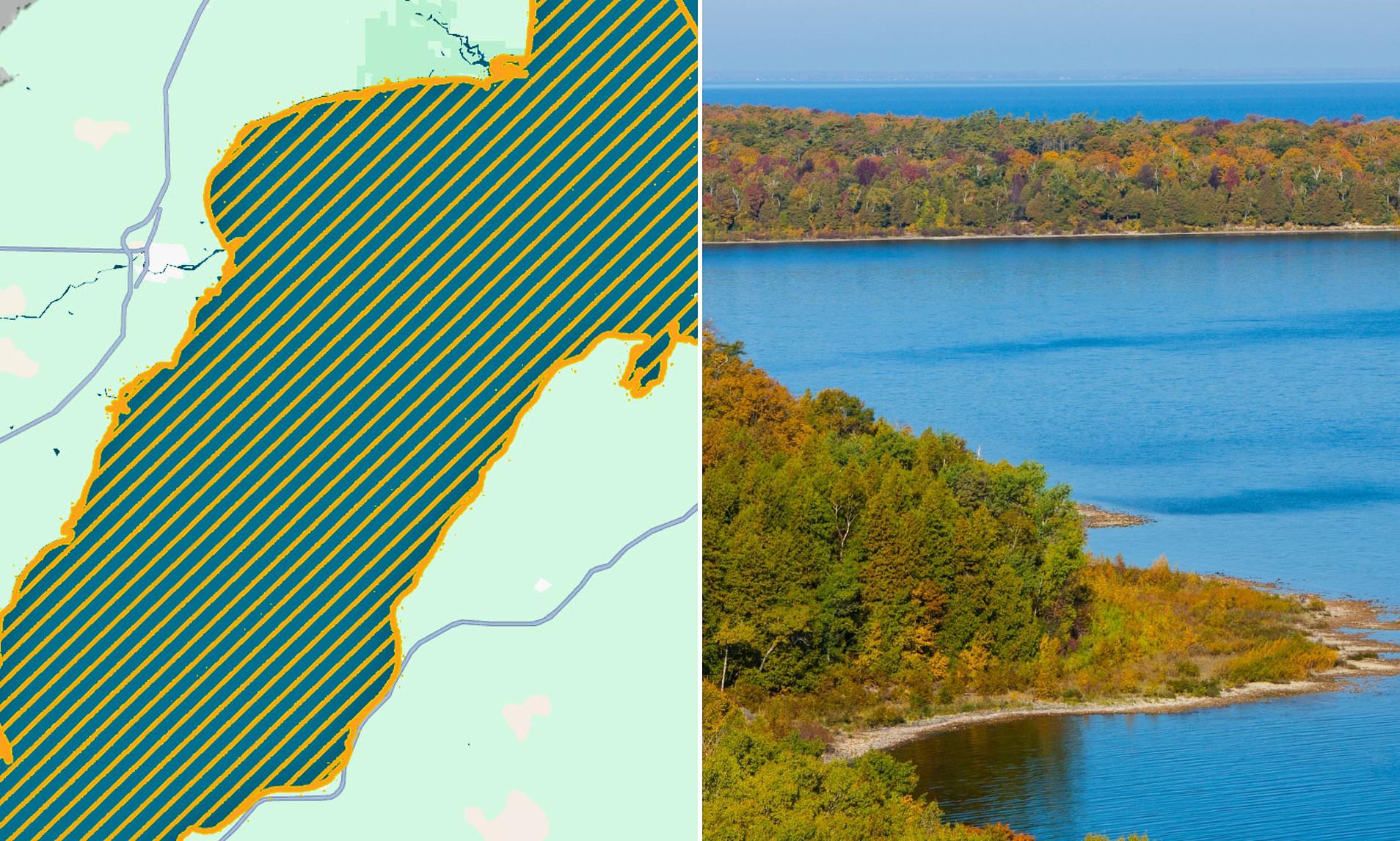
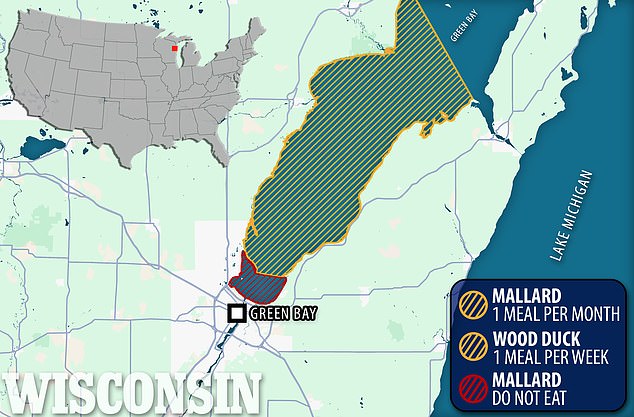
In Wisconsin, a broad warning covers an arm of Lake Michigan called Green Bay, spanning 1,600 square miles. Residents are advised not to eat fish or other aquatic life, as well as wildlife in the area, which may be toxic from drinking PFAS-contaminated water. They are also warned to avoid eating fish or deer around lake systems in the north of the state.
In Minnesota, residents are being advised to avoid eating fish caught in 10 counties, including one on the coast of Lake Superior. In Michigan, 98 of the state’s 11,000 inland lakes now have warnings in place for people not to eat fish caught from them, tripling the number last year.
Experts believe PFAS can seep from factories, landfills, and wastewater plants into streams and rivers that then carry the compounds into the Great Lakes. Testing has detected PFAS in each lake, with Lake Ontario and Lake Michigan reported to contain the highest levels of the substances.


Residents have expressed concern about the contamination, with some calling for action to clean up the environment. One wrote on Facebook, “clean it up!” while another said, “it’s almost as if these creatures can’t fly between other areas.” A third added, “maybe [officials] should have done something to keep these PFAS out of the bay before we got to this point,” and a satirical post online branded the local duck population the “cancer ducks.”
The Great Lakes region is the largest body of freshwater in the US and supplies an estimated 40 million homes in America and Canada with drinking water. However, officials are particularly concerned during the duck hunting season, which lasts until late November, and the fall period, which is also an excellent time to catch salmon and trout.
The alerts recently raised have specifically been for Lake Michigan and surrounding areas, although PFAS has also been detected in fish in the other Great Lakes. PFAS are microscopic chemicals used in dozens of manufacturing processes, from cookware to clothes, carpets, food packaging, and makeup.

These chemicals can seep into the environment, where they take thousands of years to break down and can enter water and the food supply. Researchers have warned that exposure to the chemicals may raise the risk of cancer, as the substances can disrupt the natural processes in cells and cause damaging mutations. Scientists are also investigating a potential link between the chemicals and reduced fertility and autoimmune disorders.
Department of Health and Human Services (HHS) Secretary Robert F Kennedy Jr has vowed to get the chemicals out of the public food and water supply. Speaking to reporters in April this year, he told WFAA that the administration would aim to end the production of PFAS chemicals.


The Environmental Protection Agency (EPA) has also reduced its safe limit for PFAS exposure amid growing evidence of the potential harms from about 70 parts per trillion in a lifetime in 2022 to four parts per trillion today. In Wisconsin, officials are warning people not to eat any ducks caught on Lake Michigan directly next to the city of Green Bay, home to 100,000 people.
For the rest of the bay, they are advising residents not to consume more than one mallard duck per month or one wood duck per week due to the contamination, based on the levels of PFAS detected in the animals. Overall, about 330,000 people live around Green Bay in Wisconsin, while there are an estimated 73,000 waterfowl hunters in the state.


In Stella, a town in northern Wisconsin home to less than a thousand people, residents are being advised not to eat fish from the Moen lake system or deer within five miles of the town. In Minnesota, residents are being warned not to consume fish caught in 10 of the state’s 83 counties, including in the Twin Cities area, home to about 3.7 million people, over the contamination.
Officials have not put in place a warning for ducks at this time as they said they do not have the resources to track PFAS in the animals. In Michigan, state authorities are also warning people not to eat fish caught in 98 of the state’s inland lakes and water systems over concerns they are contaminated with PFAS.
Ducks may be contaminated with PFAS by drinking water containing the substance or consuming aquatic life, such as insects or plants, that contain PFAS. Over time, regularly consuming organisms contaminated with PFAS can cause the chemicals to accumulate in their bodies, often to high levels.
In Stella, Wisconsin, officials have blamed the Rhinelander Paper Mill for the widespread contamination, noting an inspection from last month that found the plant was releasing the chemicals onto the soil. The owner of the mill, Ahlstrom Rhinelander LLC, says it is “carefully reviewing” the inspection report that led to the suggestion.
PFAS is used in paper mills to help apply grease, oil, and water-resistant properties to paper products, particularly food packaging. PFAS chemicals have been detected in the Great Lakes region since the early 2000s, and have repeatedly triggered alerts warning people not to eat wildlife.
Officials say it is still safe to wade in waters, hunt animals, or go for walks or hikes in the area, just that it is not safe to consume the local animals. There are also no warnings in place over drinking water drawn from the lakes, which may be filtered to remove the PFAS contamination.
The states are tracking PFAS levels in animals by analyzing tissue samples submitted to them by hunters every year. The warnings came ahead of this year’s duck hunting season, which starts this month and lasts until late November.
Roger Hanson, President of the Green Bay Duck Hunters Association in Michigan, told Fox11News: “This is probably the last thing that you want to read about or hear about… [before] the opening of the south zone duck season. The mallard is the staple of the duck population, and that’s what duck hunting is all about.”


