
Strategic Review of Namibia’s Petroleum Sector
Namibia is currently undergoing a significant transformation in its petroleum industry, with the newly established Upstream Petroleum Unit conducting a comprehensive review of the country’s regulatory framework. The goal of this initiative is to propose new policies that will govern the rapidly evolving petroleum sector and ensure it remains competitive and efficient.
During the second edition of the Youth in Oil and Gas Summit in Walvis Bay, Kornelia Shilunga, Special Advisor & Head of the Upstream Petroleum Unit in the Office of the Namibian Presidency, emphasized the importance of this review. She highlighted that the initiative aims to create an effective upstream petroleum sector while also promoting greater participation from Namibian youth. This effort aligns with the broader vision of positioning the petroleum industry as a key driver of economic development in the country.
The African Energy Chamber (AEC) has expressed strong support for the Namibian government’s efforts to develop the petroleum sector. The AEC has long advocated for the critical role that youth play in Africa’s energy industry and has commended the proactive approach taken by the Namibian Presidency to place youth at the forefront of the sector. The AEC also praised the founder of the Youth in Oil and Gas Summit, Justina Erastus, for her dedication to empowering young people in the energy sector.
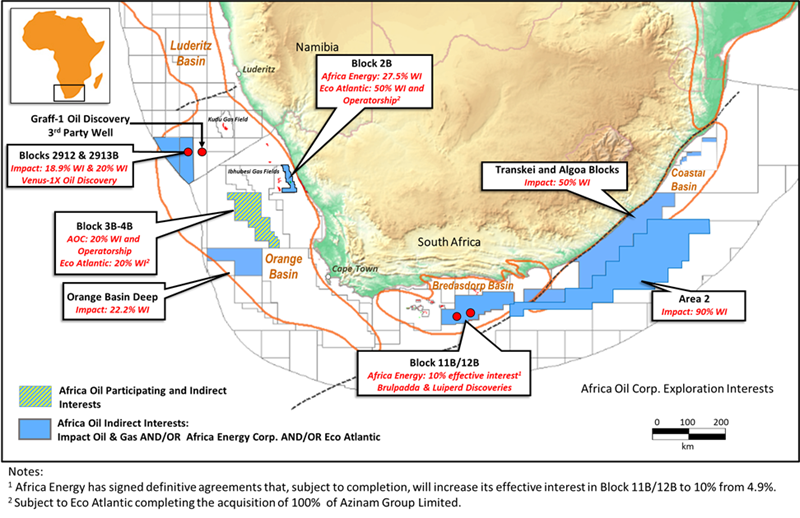
This review comes at a pivotal time for Namibia, as the country aims to achieve its first oil production from the Orange Basin discoveries by 2029. The initiative is designed to strengthen the competitiveness of investing in Namibia’s upstream petroleum sector. Major discoveries made by international companies such as TotalEnergies, Shell, Galp, and Eni have positioned Namibia as one of the world’s most promising energy frontiers. Ongoing drilling campaigns led by companies like Rhino Resources, BW Energy, and Chevron are setting the stage for future upstream success.
TotalEnergies is targeting a final investment decision for the Venus field in 2026, while Galp is advancing its Mopane development. These developments indicate that Namibia is on track to become a global oil producer by the end of the decade.
Opportunities for Youth in the Petroleum Sector
The potential of Namibia’s upstream petroleum sector presents numerous opportunities for the country’s youth. The Upstream Petroleum Unit has committed to ensuring that these opportunities are accessible to young people. As part of the ongoing reviews and proposed policies, youth inclusivity and empowerment are central themes.
According to Shilunga, “under Namibia’s 8th administration, youth empowerment is a national imperative, not a secondary concern.” She noted that by 2024, a total of 28 offshore oil and gas exploration wells and 15 appraisal wells had been drilled, alongside 10 exploratory wells onshore. The country boasts an estimated 11 billion barrels of oil and approximately 2.2 trillion cubic feet of natural gas reserves, making Namibia a key emerging player in the global energy sector.
The imminent production of offshore oil offers significant opportunities for youth in Namibia, ranging from petroleum engineering to geosciences, offshore operations, environmental and regulatory compliance, and logistics and support services. As an industry in its early stages, the petroleum sector requires innovation, infrastructure, and adaptive policies to ensure that offshore resources are developed in both a productive and sustainable manner.
Positioning the Industry for the Future
Namibia is uniquely positioned to establish an industry that is geared towards the local market from the outset. The upcoming regulatory restructuring will play a crucial role in achieving this goal. With youth representing a large share of the population—approximately 71% of the country’s three million residents are under the age of 35—the need to ensure current policies reflect anticipated growth trends is more pressing than ever.
Preliminary estimates suggest that Namibia’s population could exceed six million by 2050. This demographic trend underscores the importance of positioning the petroleum sector as a driver of economic development and job creation. The Upstream Petroleum Unit has called on stakeholders across the country to collaborate and prioritize youth in the industry’s development.
Shilunga urged all parties involved to take shared responsibility in this endeavor. She challenged industry players to invest in capacity building, academia to align curricula with current and future energy needs, the government to accelerate youth-focused reforms and policies, and the youth themselves to proactively seek knowledge, ask questions, and build networks.
Through collaboration, the Namibian petroleum industry stands to unlock long-term economic opportunities while leveraging petroleum as a catalyst for sustainable development. “This oil and gas revolution must be powered by integrity, led with courage, and anchored in inclusion. The youth are not only the future of this industry—but they are also its present momentum,” she noted.
The AEC believes that youth are essential in Africa’s petroleum industry, and the Namibian government recognizes the instrumental role they will play in unlocking innovation, economic growth, and inclusive development. By restructuring its regulations and implementing policies that support youth empowerment, Namibia is setting a strong standard for domestic oil and gas development in Africa.


