
Russia’s Assertive Stance in the Ongoing Conflict with the West
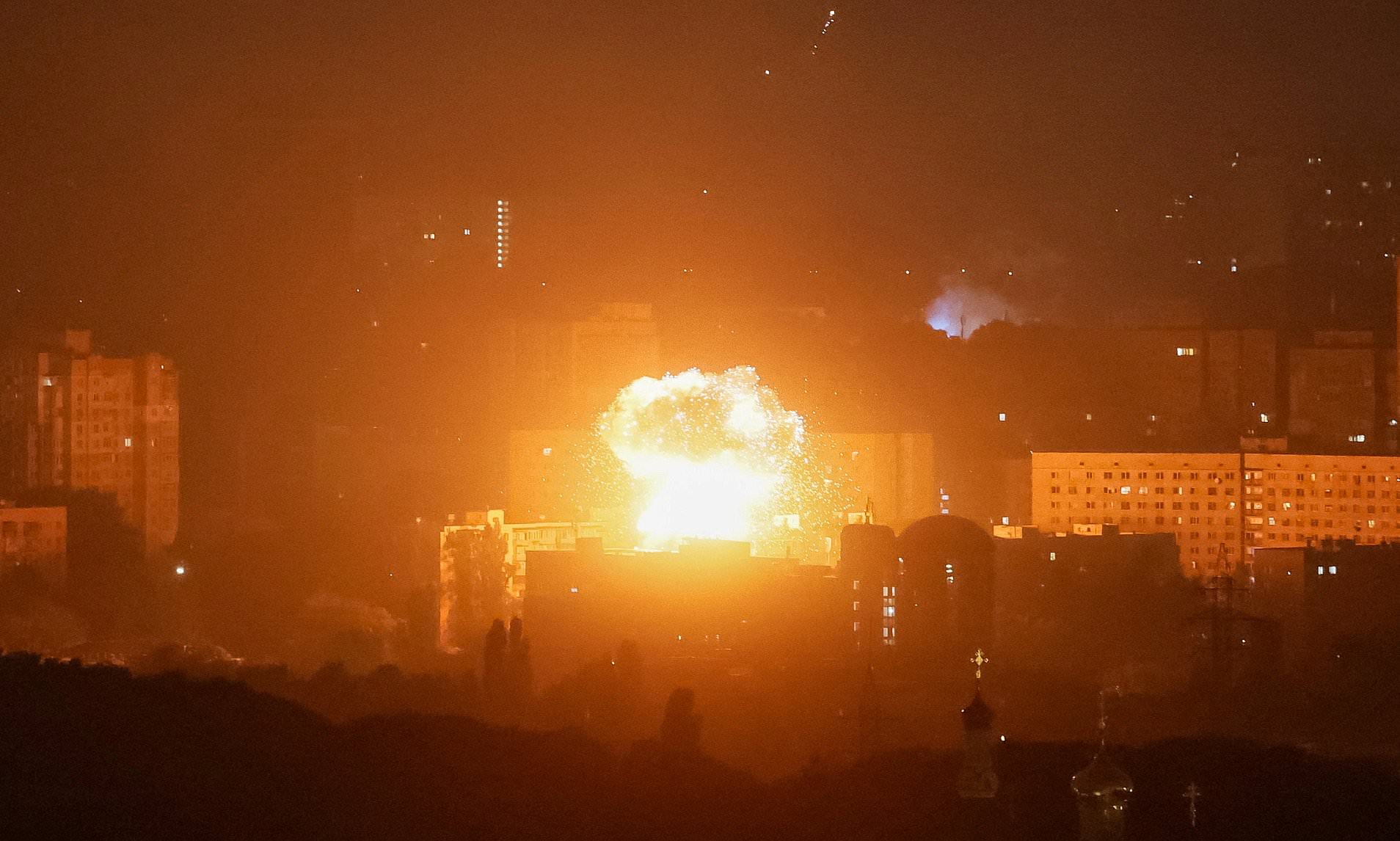
Russia has made it clear that the Cold War is over, and a new form of conflict, described as “fiery,” is now taking place. During a press briefing, Russian Foreign Ministry spokesperson Maria Zakharova was asked whether the country is currently experiencing a second Cold War with the West, particularly due to the increasing deployment of drones on Ukraine’s frontlines.
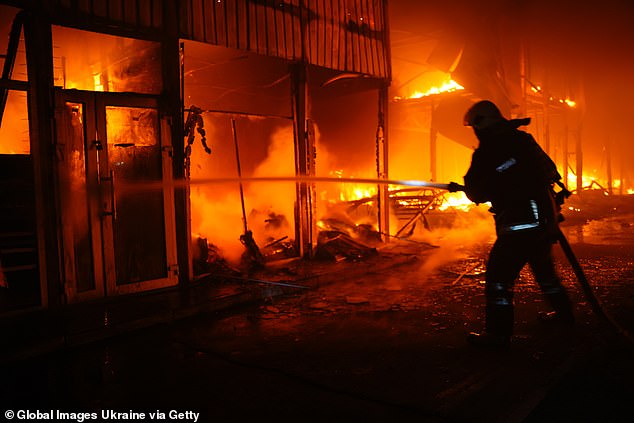
Zakharova responded by rejecting the comparison with the Cold War, stating, “We are already in another form of conflict. There has been no cold here for a long time; there is already fire here.” This declaration highlights the escalating tensions between Russia and the West, which have reached a level not seen since the 1962 Cuban Missile Crisis.
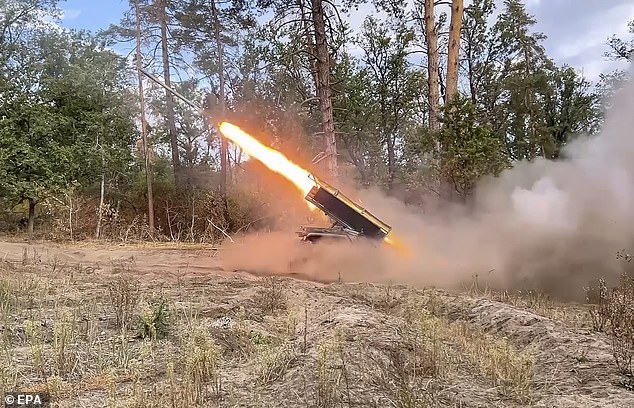
Despite some attempts at peace, such as a meeting between Russian President Vladimir Putin and former U.S. President Donald Trump in Alaska, the relationship between the Kremlin and the West continues to deteriorate. Russian forces have made significant advances in Ukraine, and allegations of Russian drones operating in NATO airspace have raised concerns among Western nations. In response, Washington is considering direct involvement in the war by striking deep into Russia, the world’s largest nuclear power.
When questioned about European accusations that Russia has violated NATO airspace and conducted sabotage operations, Zakharova claimed these claims were unfounded and suggested they were part of a broader strategy to create provocations against Moscow. She stated, “All their statements indicate – first, that they are preparing a chain of provocations. Second, that they need to justify their military budgets.”
The conflict in Ukraine has been framed by Western leaders and Ukrainian officials as an imperial-style land grab, with repeated promises to defeat Russian forces. However, Putin views the war as a pivotal moment in Russia’s relations with the West, arguing that the post-Soviet era saw Russia humiliated by NATO’s expansion and encroachment on what he considers its sphere of influence, including Ukraine and Georgia.
European Leaders Take a Stronger Position Against Russia
French President Emmanuel Macron has called for Europe to adopt a more aggressive stance against Russia, urging the shooting down of drones entering European airspace and boarding shadow fleet ships that transport oil to deprive Moscow of war revenue. Speaking at a European summit in Copenhagen, Macron and other European leaders emphasized the need for more sanctions against Russia, particularly targeting its energy sector.
Macron also highlighted the importance of maintaining strategic ambiguity and unpredictability in dealing with Russia. He warned that any drones violating European territories would be at great risk, stating, “They can be destroyed, full stop.” Additionally, he pointed to the recent detention of an oil tanker involved in the shadow fleet as an effective measure to disrupt Russia’s war efforts.

Macron estimated that Russia finances between 30 to 40% of its war effort through the shadow fleet. By seizing such vessels, even temporarily, Europe can significantly impact the efficiency of these operations. He noted that the same ship had previously been checked by Estonian authorities in March.
Danish Prime Minister Mette Frederiksen, who hosted the summit following several drone incidents at Denmark’s airports and military bases, stressed the urgency of confronting Russia. She said, “It must be clear to everyone now, Russia will not stop until they are forced to do so.” Frederiksen emphasized that the war is not just about Ukraine but about all of Europe, highlighting the need for a united and strong response.

German Chancellor Friedrich Merz echoed this sentiment, stating that Putin should not underestimate the determination of European nations. He expressed gratitude for the unity and resolve to confront Russian aggression together.
Polish Prime Minister Donald Tusk urged leaders to abandon any illusions about Russia’s intentions. He pointed out that Poland has been a victim of Russian intimidation, most recently with a major drone intrusion last month. Poland has since vowed to shoot down any Russian drones that enter its airspace.

Tusk criticized those who use euphemisms to describe the conflict, calling it a “new type of war” that is complex but undeniably real. He argued that the only advantage Russia has is its mentality, while Europe and Ukraine possess greater economic and population strength.
UK Prime Minister Keir Starmer emphasized the importance of increasing economic pressure on Putin. He called for further sanctions, especially on energy and the shadow fleet, and stressed the need to strengthen Ukraine’s defenses with better air defenses, long-range missiles, and anti-drone capabilities.
As tensions continue to rise, the question remains: Can Europe effectively “crush Putin’s war machine” and reinforce Ukraine’s dwindling defenses? The coming days will test the resolve and unity of European nations in the face of a formidable adversary.


