
The State of Higher Education in Nepal
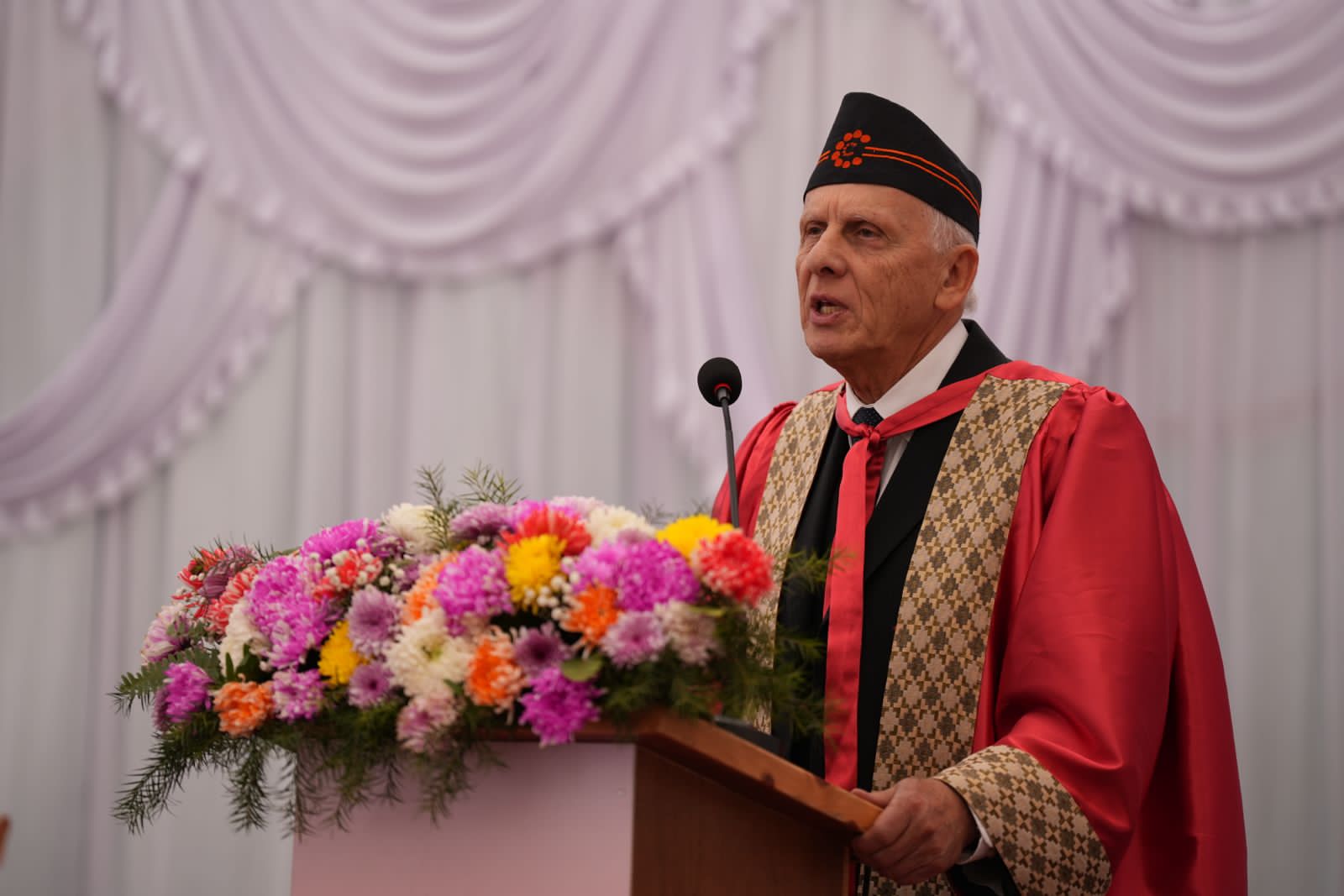
Nepal is currently facing significant challenges in its higher education system. With over 30 years of experience in the field, Jamil Salmi, a specialist in higher education policy, has worked with various governments, universities, and international organizations across more than 90 countries. Recently, he attended the commencement ceremony of Madan Bhandari University of Science and Technology (MBUST) as a guest speaker.
Salmi emphasizes that the future of Nepal lies in its people, but the country lacks the facilities to sustain them. He argues that investing in higher education is crucial for developing human resources, which can lead to innovation, quality research, increased productivity, and new business opportunities.
Key Elements for Strengthening Educational Institutions
From a policy perspective, Salmi highlights three critical elements that need to be addressed to strengthen Nepal’s educational institutions: sufficient resources, talented people, and good governance. Universities require adequate funding to attract and retain qualified faculty and capable students. Without proper financial support, talent cannot be developed or sustained.
Governance also plays a vital role. Political interference in universities is a major challenge in South Asia, including Nepal. This slows decision-making and reduces flexibility. Salmi points out that well-governed institutions can respond quickly to needs, such as replacing broken equipment, while poorly governed systems may take months, disrupting academic work.
Universities must have autonomy and flexibility to manage their resources effectively. This is why governance reform is as urgent as increased funding.
Why Nepali Students Go Abroad
Salmi acknowledges that the poor state of higher education institutions is one reason why many Nepali students choose to study abroad. If they do not trust the quality of local universities and have the financial means, they will naturally seek opportunities elsewhere. However, this trend leads to a brain drain, as many students do not return to Nepal.
While studying abroad is not inherently bad, Salmi stresses the importance of creating conditions to attract talent back. Competitive salaries, good working conditions, and strong institutions are essential for retaining skilled individuals.
Lessons from Other Countries
China and South Korea serve as examples of how vision and long-term investment can transform higher education. After the Cultural Revolution, China rebuilt its universities by investing heavily in research and sending students abroad. Similarly, South Korea prioritized education and innovation in national development. Vietnam is also making rapid progress.
The key lesson is that successful nations have a clear vision, consistent investment in education and research, and a commitment to long-term development.
MBUST: A Research-Focused Institution
MBUST positions itself as a research-focused institution, setting it apart from traditional universities. It operates without political interference, has excellent research labs, and employs skilled professors who focus on research addressing Nepal’s challenges. Salmi visited laboratories conducting research relevant to Nepal, such as studies on mushrooms found in the Chitlang region. This kind of work can have applications in medicine, cosmetics, and even new technologies.
Research institutes like MBUST can help solve national problems and develop innovations that benefit local industries. If they build a strong reputation, they can also attract students who might otherwise pursue postgraduate studies abroad, strengthening the entire higher education ecosystem.
Developing World-Class Universities in Nepal
Salmi believes that Nepal needs a balanced and differentiated higher education system. While research-oriented institutions like MBUST are important, they are not enough. Large universities like Tribhuvan University with massive enrollments also need quality improvement and resources.
He suggests a mix of institutions: one or two top research universities, along with universities and teaching-focused colleges that prepare students for jobs. In countries like South Korea, junior colleges collaborate with companies to design curricula that match real job needs, making education highly relevant and leading to high employment rates among graduates.
Global University Rankings and Their Impact
Global rankings can be helpful for national policy-making, especially at the beginning. They act as a wake-up call for governments and universities, showing that reputation alone does not guarantee quality. For example, when the first Shanghai Ranking appeared, countries like France and Germany were disappointed by their results, prompting improvements in governance and funding.
However, rankings can also create problems. Some are commercial and encourage universities to focus on improving indicators rather than real quality. For instance, courting international students may raise a university’s score, but the quality of those students must also be considered. Rankings are useful as a benchmarking tool, but harmful if institutions chase positions over meaningful academic improvement.
Future Success of Universities
Looking ahead, Salmi believes that strong and efficient governance, long-term funding, and smart use of technology are necessary for universities. None of these elements alone is enough. Funding provides the required resources, and good governance guarantees clear strategy and accountability. Likewise, technology should be used as a tool to support teaching, research, and management rather than to replace academic judgment or critical thinking.
How well universities integrate all three will determine their future success.


