
A Growing Concern for Safety in Nigeria’s Renewable Energy Sector
The recent fire incident at Singer Market has sparked renewed concerns about safety standards in Nigeria’s rapidly expanding renewable energy sector. The Renewable Energy Association of Nigeria (REAN) has urged caution against jumping to conclusions and has announced a comprehensive, industry-led investigation into the incident.
REAN acknowledged reports suggesting that the fire may have been linked to an explosion involving a solar battery system but emphasized that the official cause of the event remains unconfirmed by authorities. In a statement issued on Sunday, the association expressed deep concern over the tragedy and extended its condolences to the victims and affected families.
“The Renewable Energy Association of Nigeria is aware of reports concerning a recent fire incident that occurred at Singer Market, Kano, which has been speculated to have been linked to an explosion from a solar battery system,” the statement read. “We are deeply concerned about the incident and extend our sincere thoughts to the individuals, businesses, and families affected. Safety remains paramount in the deployment and operation of renewable energy systems across Nigeria.”
A Devastating Fire at Singer Market
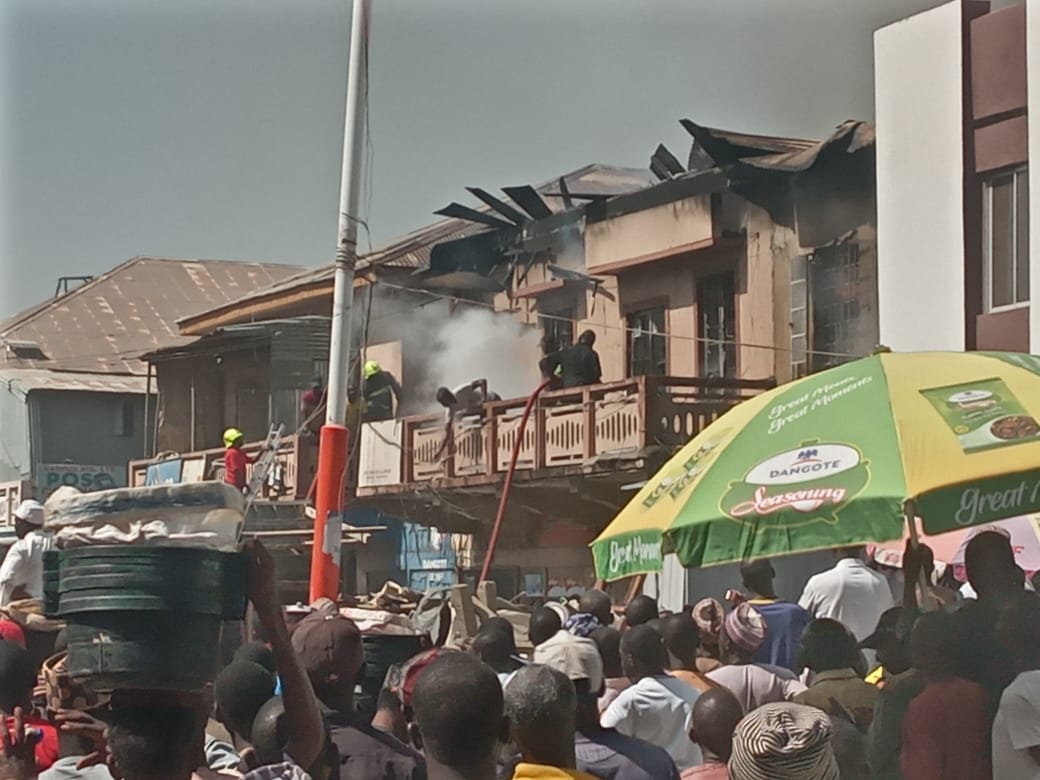
According to reports, a severe fire broke out at the historic Singer Market in Kano State, one of the busiest commercial hubs in northern Nigeria. The blaze, which began on the evening of February 14, quickly spread through tightly packed shops and business premises in the Gidan Gilas section of the market.
Official figures indicate that over 1,000 shops were destroyed, with properties and goods valued at more than ₦5 billion lost. Preliminary casualty reports suggest that at least seven traders remain missing, as emergency responders continue their search for survivors among the charred remains.
The disaster prompted immediate action from government officials. Vice-President Kashim Shettima announced a ₦5 billion federal relief package for victims, while additional funds totaling ₦3 billion were pledged by governors from the ruling party, bringing the total support to ₦8 billion.
Wider Anxiety and Safety Concerns
The fire has raised broader concerns about safety in Nigeria’s commercial centers, especially after another blaze struck a market in Kano’s Dakata area days later, destroying around 50 more shops. These incidents highlight longstanding issues with fire safety infrastructure and emergency response capabilities in major urban areas.
At the same time, the incident has underscored the economic vulnerability of market-based traders, who form a crucial part of the informal economy. However, the timing of the fire is particularly significant, as solar adoption is growing rapidly in Nigeria due to unreliable grid power, rising diesel costs, and government efforts to transition toward cleaner energy sources.
Solar Power Systems: Safe When Properly Managed
REAN emphasized that solar power systems, including battery storage components, are globally recognized as safe and reliable when properly designed, installed, and maintained according to established safety standards.
“Solar power systems, including battery storage components, when properly designed, installed, and maintained in accordance with established electrical and safety standards, are safe and reliable,” the association stated. “REAN continues to advocate for strict adherence to technical standards, certified installation practices, and the use of quality-compliant components across the renewable energy value chain.”
Over the years, REAN has worked to promote standardization in the industry through various initiatives, including:
- Development and promotion of installation guidelines aligned with international best practices.
- Structured training programs for installers and technicians.
- Advocacy for enforcement of technical and safety standards.
- Collaboration with regulatory authorities to strengthen compliance and consumer protection mechanisms.
Addressing Risks from Substandard Equipment
Despite these efforts, the association warned that the growing demand for solar energy has attracted unqualified installers and substandard equipment, posing a significant risk to consumer safety and industry credibility.
In response to the Kano fire, REAN has activated its internal incident response and review mechanism. This includes:
- Obtaining verified facts from relevant stakeholders.
- Interrogating and analyzing information gathered to ensure accuracy.
- Engaging technical experts and authorities to investigate the root cause(s).
- Reviewing compliance with existing standards and installation protocols.
- Issuing a detailed statement of facts upon conclusion of the investigation.
- Recommending clear preventive measures to mitigate the risk of recurrence.
Looking Ahead for Nigeria’s Renewable Energy Future
Nigeria has set ambitious targets to expand clean energy access, reduce reliance on fossil fuels, and support off-grid solutions in underserved communities. Solar mini-grids and rooftop systems have become central to these efforts, with increasing investments from development partners and private investors.
However, experts warn that safety lapses could undermine public confidence in renewable technologies if not addressed proactively. REAN reaffirmed its commitment to transparency, accountability, and continuous improvement of safety standards in the sector.
As the investigation into the Kano fire progresses, the association will provide further updates as verified information becomes available.


