
The Rise of “Lion Cubs” in Sudan’s Civil War
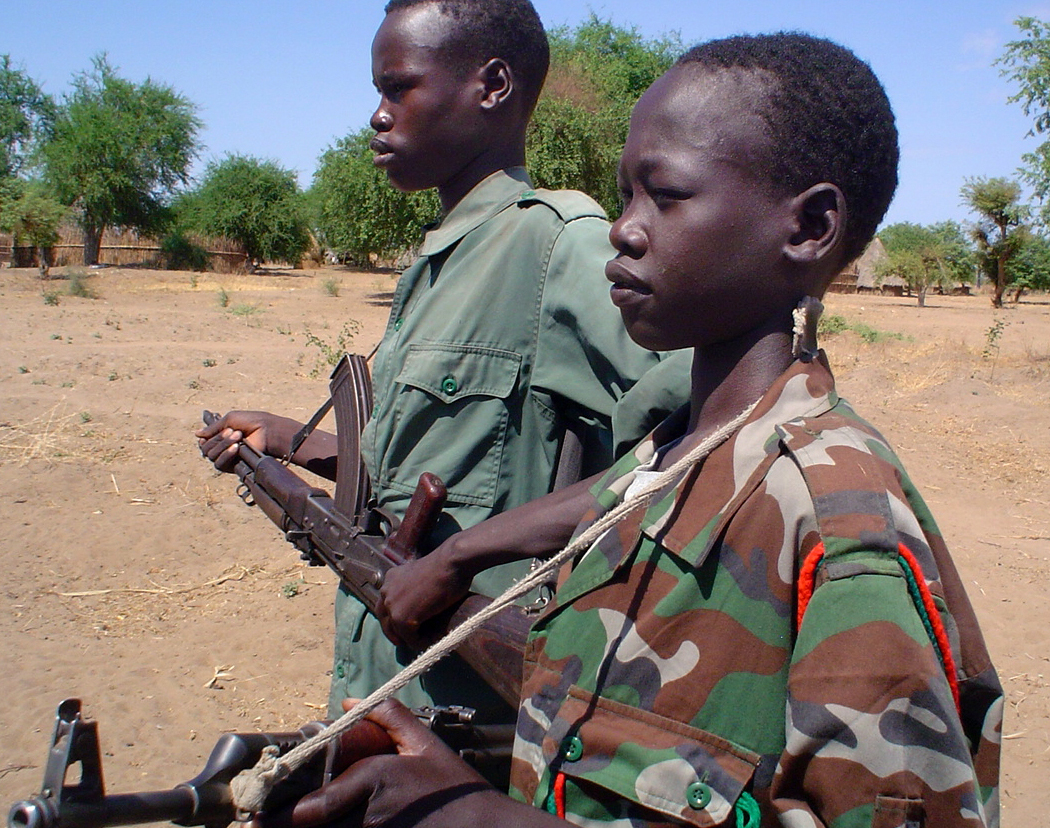
A joint investigation by Radio Dabanga and Bellingcat has uncovered a troubling trend in Sudan’s ongoing civil war: the viral fame of young boys, known as “lion cubs,” who have become celebrated figures within rival factions. These children, often seen in military uniforms, are being used to promote the conflict on social media platforms like TikTok, where their videos have attracted millions of views.
Geolocation and Social Media Presence
The investigation found that some of these children film themselves near combat scenes, including instances with the bodies of recently deceased individuals. Bellingcat flagged 12 TikTok accounts that had posted viral content featuring child soldiers through the platform’s internal reporting mechanism. After more than 48 hours without action, Bellingcat contacted TikTok to request comment, providing links to the reported content. Following this inquiry, TikTok removed seven of the accounts. However, the remaining active accounts continue to host more than a dozen videos featuring child soldier content, which violates TikTok’s own guidelines.
Under the Paris Principles, a child soldier is defined as anyone under 18 who is recruited or used by an armed force or group. The investigation focused on two prominent “lion cubs” from opposing sides of the conflict to reveal how this content circulates across social media and gains traction—mostly on TikTok—despite platform rules that restrict content involving the exploitation and militarisation of children.
The RSF “Lion Cub”
Bellingcat geolocated multiple TikTok videos showing an RSF “lion cub”—who appears to be a young teenager—celebrating the capture of the 22nd infantry division SAF base in Babanusa. The videos, posted by pro-RSF TikTok accounts, were viewed millions of times. In one video, the child says: “I see people on the [social] media saying that I will die. The person who dies is as if he has paid his debt.” This video received over 1.6 million views before TikTok removed the account following Bellingcat’s inquiry.
The RSF “lion cub” also appeared in another TikTok video alongside captured SAF soldiers, whom he mocks as he leads chants praising the RSF. This post received hundreds of supportive comments, many from RSF fighters. In a video, RSF commander Salih Al-Foti praises the bravery of the “lion cub,” claiming that minors sometimes appear among RSF forces without prior knowledge or approval.
The SAF “Lion Cub”
Unlike the RSF-linked child, the videos posted to the SAF “lion cub” show no activity near a frontline and appear to be carefully staged. In one TikTok video viewed nearly nine million times before it was taken down, the child recites a poem mocking RSF leader Hemedti. The boy’s videos, which have amassed millions of views, repeatedly feature him in the SAF uniform alongside armed soldiers and senior military figures.
In a speech, the child affirms Sudan’s unity from a raised platform surrounded by soldiers, declaring: “We are small children, but in anger we are like a volcano: we erupt and kill every traitor and coward.”
The Role of Social Media in Recruitment
Experts warn that the public celebration of these children in videos can directly encourage recruitment. Michael Wessells, a professor at Columbia University, explained that the visibility and praise of child soldiers can strengthen violent identities and normalise participation in armed conflict, particularly among adolescents seeking recognition, belonging, and purpose.
Mia Bloom, a professor at Georgia State University, noted that the public elevation of child soldiers turns them into powerful role models, used to motivate both adults and youth to join armed groups. She warned that this kind of visibility can trigger a well-documented copycat effect among young audiences.
The Broader Context
The investigation’s findings come amid longstanding concerns about the recruitment of child soldiers in Sudan’s civil war. The UN Special Rapporteur on trafficking in persons warned that unaccompanied and impoverished children were being targeted by the RSF. The UN Human Rights Council Fact-Finding Mission for Sudan reported that the RSF had “systematically recruited and used children in hostilities.”
With regard to the SAF, the mission reported credible reports of children joining youth groups under the banner of “popular mobilization” following leadership calls to counter RSF advances.
Social Media Platforms Falling Short
TikTok’s Community Guidelines prohibit content that glorifies violence or promotes crimes that could harm people. However, experts argue that social media platforms are falling short in moderating content involving child soldiers. Marwa Fatafta, a tech policy expert, pointed out that TikTok’s human rights commitments include the Convention on the Rights of the Child, which require states to protect children affected by armed conflict.
Facebook’s Human Exploitation policy also prohibits content that facilitates or exploits people through forms of human trafficking, including the recruitment of child soldiers. However, Meta’s enforcement falls short of its stated commitments, according to Sarah T. Roberts, Director of the Center for Critical Internet Inquiry at UCLA.
Responses to the Findings
Bellingcat reported 12 TikTok accounts, as well as two viral audios featuring the RSF child soldier, through TikTok’s internal reporting mechanism. Following Bellingcat’s inquiry, TikTok removed seven of the accounts. However, the remaining five cases left the accounts active, with content still accessible.
In response, a TikTok spokesperson said: “We’ve removed content and accounts that violated our strict rules against facilitating and depicting human trafficking, including child soldiers.”
Meta also removed content for violating its policies, stating: “We do not allow content, activity, or interactions that recruit people for, facilitate or exploit people through the recruitment of child soldiers.”
Despite these actions, more than a dozen posts featuring the “lion cubs” remained accessible across both platforms simply by searching for the boys’ names.


