
A Reassessment of the Scottish Independence Movement
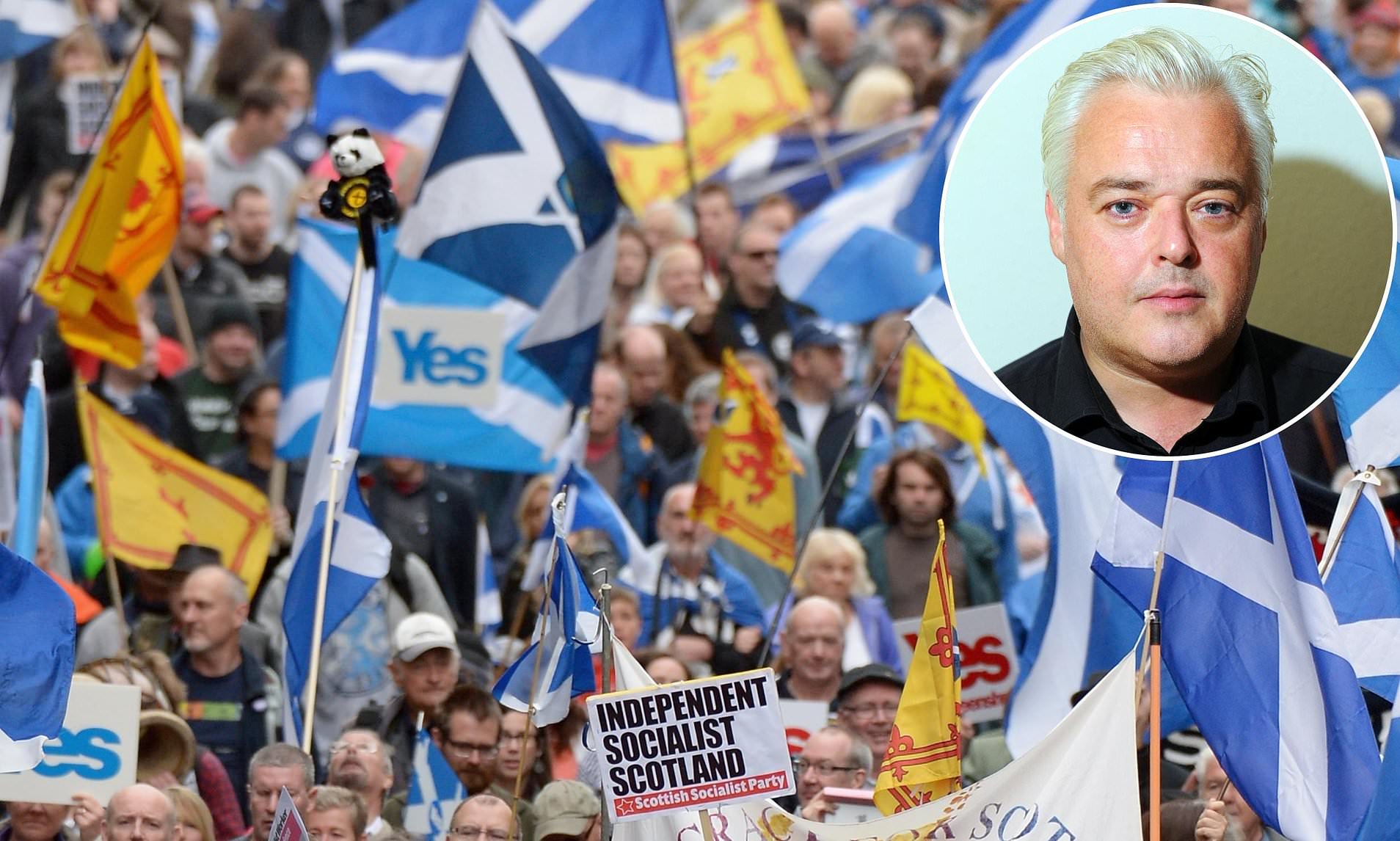
Back in September 2013, a call from a passionate supporter of Scottish independence revealed a moment of tension and uncertainty. At that time, the Yes Scotland campaign was gaining momentum, with 8,000 nationalists gathering on Edinburgh’s Calton Hill. The partner of the individual who received the call was convinced that the movement was unstoppable. However, the realist perspective argued that while the rally was impressive, it did not necessarily reflect the broader sentiment of the population.
This skepticism proved to be accurate. Twelve months later, the nationalists faced a significant defeat when Scots voted 55-45 to remain part of the United Kingdom. The lesson learned was clear: rallies alone could not sway public opinion. Despite this, the Scottish independence movement continues to believe that repeating similar actions could yield different results.
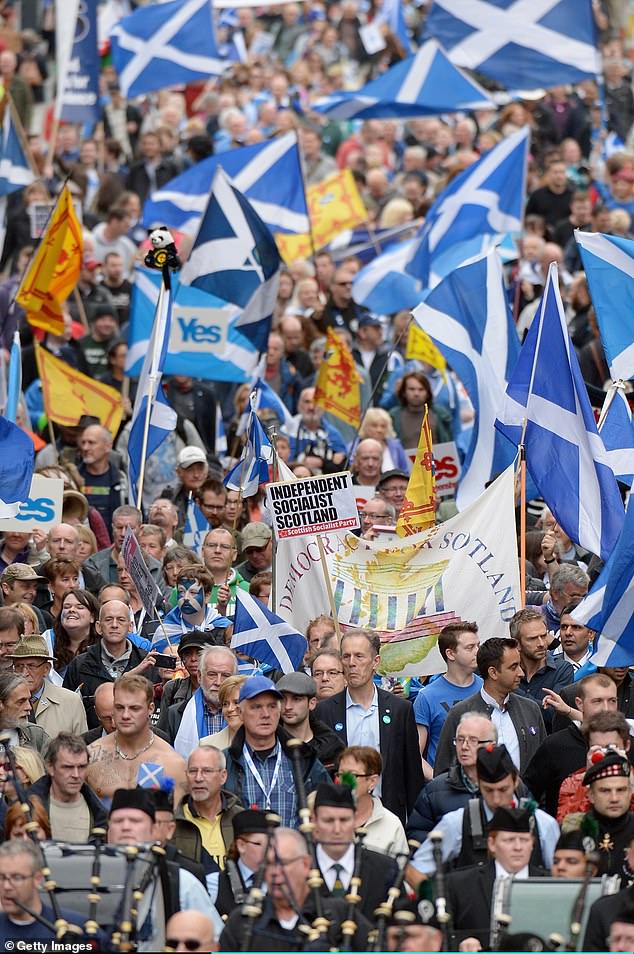

On Saturday, March 28, First Minister John Swinney will lead a rally through Edinburgh and up Calton Hill. He claims the event will focus on “hope, confidence and choice.” According to Mr. Swinney, this is a critical moment for the independence movement to unite. However, the reality is that such a rally is unlikely to advance the cause of Scottish independence significantly. The UK Government is unlikely to take notice of a few thousand flags, and Unionist Scots are not likely to reconsider their stance based on another demonstration.
The First Minister understands this well. With the SNP facing scandals and the Yes movement divided, this rally serves as an opportunity for him to present a semblance of a plan for achieving independence. The group Believe In Scotland, which is organizing the event, states that it will be a clear statement that the independence campaign “won’t stop.” While this may be true, the event also represents an admission of failure. After 19 years in power at Holyrood and one lost referendum, the separatists have yet to make a compelling case for independence.
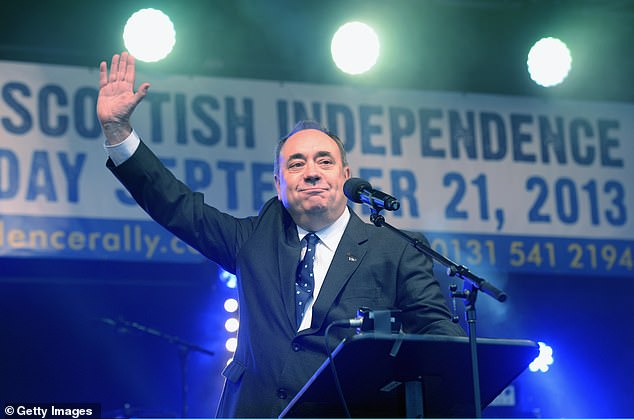

This sentiment is shared by those who have been involved in the nationalist campaign for decades. Former First Minister Nicola Sturgeon bears responsibility for the current state of the movement. Whether one liked or loathed Alex Salmond, his strategic approach was evident. After winning the 2007 Holyrood election, he focused on governing rather than campaigning. His belief was that demonstrating the SNP’s ability to run the country effectively would do more to advance the cause of independence than any number of protests.
Sturgeon, however, took a different approach. Instead of focusing on governance, she assumed that support for independence was inevitable. Her campaign amounted to little more than undeliverable promises of a second referendum. This strategy failed to resonate with the public, leading to frustration among party members and supporters.
A former SNP cabinet secretary recently expressed the sentiment that the party had failed to learn from its defeat in 2014. They suggested that the movement should have taken the result as a sign of progress and returned to governing rather than taking voters for granted. Another veteran emphasized the importance of cooperation with unionist opponents to show that the No voting majority’s views mattered.
John Swinney is expected to lead the SNP to its fifth consecutive Holyrood election victory in May. Polls indicate a convincing lead for the nationalists. However, this does not equate to growing support for the secessionist cause. While the SNP enjoys the backing of a third of voters, the majority of Scots do not share Swinney’s clamor for independence.
A recent survey by Savanta for the BBC found that the top three issues for voters are the cost of living, the NHS, and the economy. Only 13 percent of those surveyed considered independence a top priority. Even if breaking up the Union were a priority, Swinney has no way of delivering another vote on the matter. The constitution remains the responsibility of the UK Government, and Prime Minister Sir Keir Starmer is unlikely to initiate another referendum.
The SNP government is out of ideas and mired in scandal. Swinney has given up on addressing the concerns of the majority of Scots, instead focusing on his base with meaningless slogans. Those preparing to march with the First Minister believe they are part of a movement with unstoppable momentum. However, this belief is unfounded. While thousands may join Swinney on Calton Hill, millions more will have better things to do with their time.


