
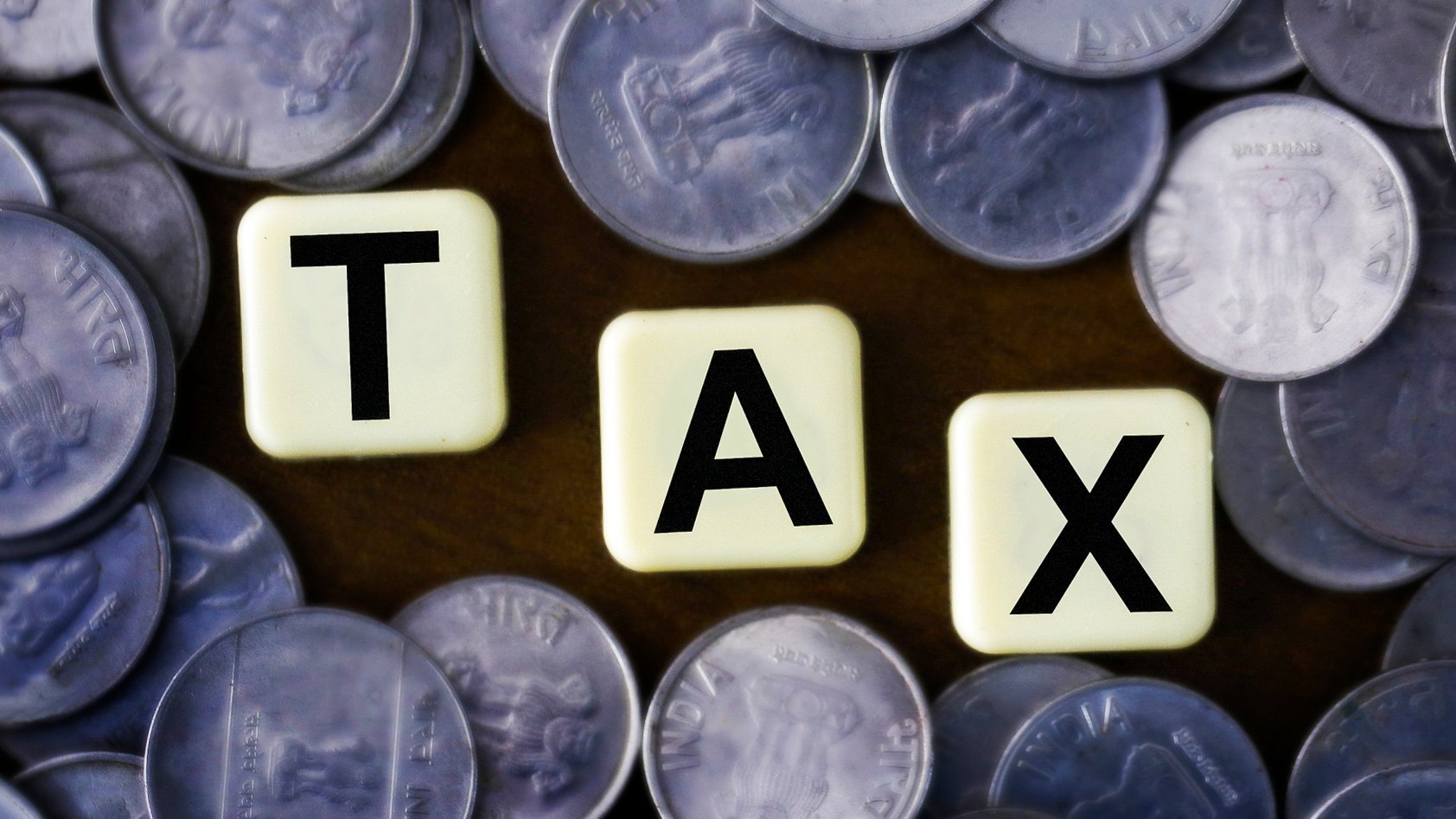
Understanding the Tensions Behind Nigeria’s New Tax Regime
The introduction of Nigeria’s new tax regime has sparked widespread debate and mixed reactions across the country. While some view it as a step towards economic stability, others see it as yet another government initiative that fails to address the deeper issues facing the nation. This article delves into the underlying tensions and explores the reasons behind the public’s skepticism.
A Nation in Frenzy
Since June 2025, Nigeria has been in a frenzy over the new tax regime, which officially came into effect on January 1, 2026. Various professional bodies and stakeholders have held numerous conferences and roundtable discussions. International organizations have praised the Federal Government for initiating these reforms. However, groups such as the Nigerian Bar Association and KPMG have raised concerns, calling for the reforms to be suspended or reviewed due to inconsistencies and structural flaws in the legislation passed by the National Assembly.
This pattern of polarizing reactions is not new in Nigeria. Many government reforms, from the removal of fuel subsidies to changes in the national anthem, often face strong opposition. The government is frequently perceived as being out of touch with the realities and sentiments of the people.
The Root Cause of Distrust
Without a medical license, it is still easy to diagnose the underlying issue: a deep and persistent distrust between the government and the people. On paper, the tax reforms appear well-intentioned, aiming to protect low-income earners and ease the burden on the working class. However, this distrust does not arise from the words of the draftsman; it stems from lived experiences.
It comes from the tax official who insists on bribes or “settlements” before issuing a tax clearance certificate. It comes from business owners who file “cooked” accounts, understate income, or deliberately evade taxes entirely to survive a broken system.
Beyond this uneasy relationship lies a recurring question among Nigerians:
“What has the government done with the taxes I have paid in the past?”
This question goes to the very purpose of taxation, particularly in the Nigerian context. Taxes are not meant to enrich a government; they are meant to maintain and stabilize an economy. Without a functioning system, taxes lose their purpose.
A Simple Analogy
To illustrate this, consider a simple analogy. Nigeria is the car. The government is the driver. The people are the engine. Taxes are the engine oil. No car is great because of its engine oil alone, and the oil itself is invisible. Yet without it, the engine fails. Unlike a regular car, however, this engine oil must be sourced from the engine itself; every part must contribute. The challenge Nigeria faces is that the biggest beneficiaries of the new tax regime are often those with the least understanding of it. Unsurprisingly, they are also the most distrustful and sceptical, largely because promised benefits have repeatedly failed to materialise.
Addressing the Problem
Identifying the problem is one thing; implementing a solution is another. In this case, there is no single, simple fix. However, there is one decisive step that must be taken: the establishment of a credible, inclusive, and sustained communication framework.
Mr. Taiwo Oyedele, chairman of the Presidential Committee on Fiscal Policy and Tax Reform, has done commendable work advocating for the reforms. Despite his efforts, he cannot be a lone voice. Over the past months, many of his statements have been variously interpreted, often fuelling even greater scepticism. This is not a reflection of incompetence but of misalignment. Oyedele is one of Nigeria’s foremost tax consultants, not a mass communication strategist or community organiser. Educating a nation of this size cannot rest on one individual or one agency.
The government must deliberately decentralize engagement. Town hall meetings, rural community outreach, and sustained public education campaigns should be conducted over the next 12 to 18 months. Partnerships must be forged with NGOs, traditional rulers, religious leaders, professional bodies, content creators, and online influencers. If handled properly, these tax reforms could become a vehicle for rebuilding trust rather than deepening suspicion.
Responsibility and Accountability
That said, the government cannot be absolved of responsibility for the evident lapses in the new tax legislation. Discrepancies between figures in the gazetted copies and those passed by the National Assembly reflect poor legislative diligence and a troubling culture of “anyhowness.” These errors only reinforce public doubt and must be urgently addressed.
Trust is the most valuable currency a people can give their leaders. It is more valuable even than taxes. The resistance Nigerians display toward the tax reforms is not opposition to reform itself, but fear of those who will enforce it. Without credible guarantees, transparency, and visible results, distrust will persist.
Professionals also have a critical role to play. Lawyers, accountants, consultants, and advisers must educate their clients and networks honestly about both the benefits and the challenges of these reforms. It is deeply concerning that many professionals are among the leading sources of misinformation. With expertise comes responsibility not only to clients, but to the public at large.
Moving Forward
This article has focused on identifying the diagnosis. A follow-up piece will examine the root causes of this distrust in greater detail, tracing how historical, institutional, and societal failures have shaped the current relationship between the Nigerian state and its citizens and what must change for trust to be restored.
Tax is merely a symptom. Distrust remains the diagnosis.


