
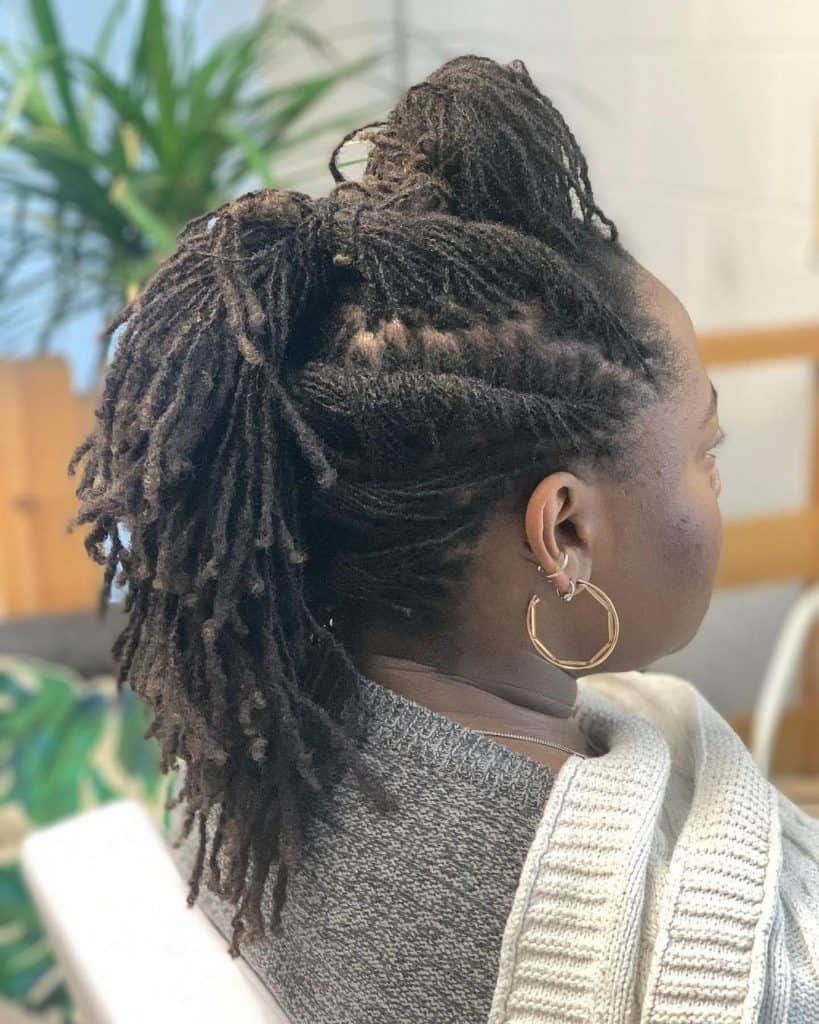
Understanding the Importance of Scalp Care for Sisterlocks
Sisterlocks, a popular hairstyle that has gained traction among many women, require careful maintenance to ensure they remain healthy and stylish. From scalp care to retightening, experts and enthusiasts share essential tips on how to maintain beautiful, lightweight locs.
Keeping Your Scalp Clean and Healthy
Dr. Abraham Mukalazi, a dermatologist at Mildmay Hospital, emphasizes the importance of keeping the scalp clean. He explains that a buildup of dandruff or scaling can occur, especially since the hair is worn long-term. To prevent this, he recommends using a medicated shampoo, such as ketoconazole or selenium sulfide, which helps reduce the risk of dandruff and controls the development of Malassezia aspergillus, a fungus that naturally lives on the skin.
Sandra Mondo, who has been on her sisterlocks journey for two years, shares that she now feels more confident with her hair and washes it weekly. She uses a medicated shampoo followed by a moisturizing shampoo and avoids hot or warm water, which she says is not great for the scalp. Mondo also avoids applying oil directly to her scalp, explaining that it clogs the pores and creates an environment that feeds yeast.
Charlotte Mbabazi, who began her sisterlocks journey four years ago, considers herself lucky to have never experienced dandruff. She believes hydration plays a key role in maintaining a healthy scalp. She drinks lots of water and juice and eats fruits to keep her skin and scalp supple. Moringa oil from Qwezi also helps hydrate her skin and scalp, keeping dandruff at bay.
Dr. Mukalazi also notes that people who sweat a lot or are physically active should wash their hair more frequently to prevent odor. Once washed, it’s important to dry the hair well to avoid any unpleasant smells.
Moisturizing Your Locs Effectively
Dr. Mukalazi cautions against the use of heavy moisturizers, warning that jelly-like products create build-up. Instead, he recommends using light oils, such as pure olive oil, and moisturizing once or twice a week, preferably right after washing. Heavy oils like shea butter should be avoided.
Mondo’s routine includes spraying her hair with a leave-in conditioner and sealing it with a small amount of almond oil. She also creates herbal teas such as rosemary and lavender, which she sprays onto her hair two to three times a week. Mbabazi applies a little Moringa oil by Qwezi to her locks and sometimes to her scalp while her hair is still damp to seal in moisture.
Louis Bismark Ovon, a loctician at Locs and More, advises using moisturizers suitable for locs. He suggests testing the product by smearing it on your skin—if your skin absorbs it without leaving a white mark, you have a good one. Homemade moisturizers, such as a mixture of olive oil and water or rose water and any other light oil, can also be used.
Mbabazi finds plain water sufficient for hydration. She says, “When it rains, I don’t mind walking without an umbrella because a little rain is good for my locs.”
Retightening Your Locks
Mondo self-retightens her locks every five to six weeks, a process that takes her about eight hours over a weekend or four evenings if she spreads it out. Mbabazi, who is also a loctician, follows the same timeline and says it comes easily to her.
Ovon explains that the retightening schedule depends on individual hair growth, but generally, four to six weeks is the standard. However, some try to push their repair sessions to eight weeks, which Ovon discourages. He warns that the more new growth you have, the weaker your hair gets, making it prone to breakage. On the other hand, some people want very neat hair and retighten too frequently, which tugs at the scalp and can cause inflammation. Over-tightening and tight styling can lead to traction alopecia.
Common Problems with Locs and Solutions
Ovon observes that many people with locs struggle with managing the time needed for repairs. He mentions that sometimes it takes long to get through the whole process. Luckily, he is one of the few locticians who do not take more than an hour on repair.
Retwisting can be painful for some, especially when using a crochet needle. Some people also dislike heat, yet when doing comb twisting or twisting with wax, you need to go under a dryer.
As one ages, locs can start thinning. They may also lead to balding or alopecia due to constant pulling. It’s essential to let the hair breathe and avoid holding it back in tight buns. Longer locs also get heavier, which can negatively affect posture. Some people start bending to one side unconsciously. You may want to reduce your hair length, Ovon advises.
Finding a skilled loctician is another challenge, as many claim to know the craft while not. Look for someone who understands your hair and can help you find the right products, he says.
He underscores the importance of discovering a regimen that works for your specific hair type. There’s no one-size-fits-all approach. Moisturize your hair to prevent dryness, which can lead to breakage.
Additional Care Tips
Charlotte Mbabazi always wears a non-cotton scarf to bed and keeps another in her bag in case she encounters a dusty road—which is quite often. Dr. Mukalazi affirms that this helps reduce friction while you sleep, which minimizes breakage and aids in moisture retention.
He further advises an annual visit to a dermatologist for a scalp and hair examination. Diet also plays a role. Fruits rich in zinc such as pumpkin seeds and watermelon are important, Dr. Mukalazi notes.
Mondo recommends regular exercise and maintaining a healthy gut to improve hair quality. She eats gut-friendly foods, especially fermented ones. She also massages her scalp daily to stimulate blood flow, which supports hair growth.


