
U.S. Tariff Policy Shifts Focus to High-Margin Industries
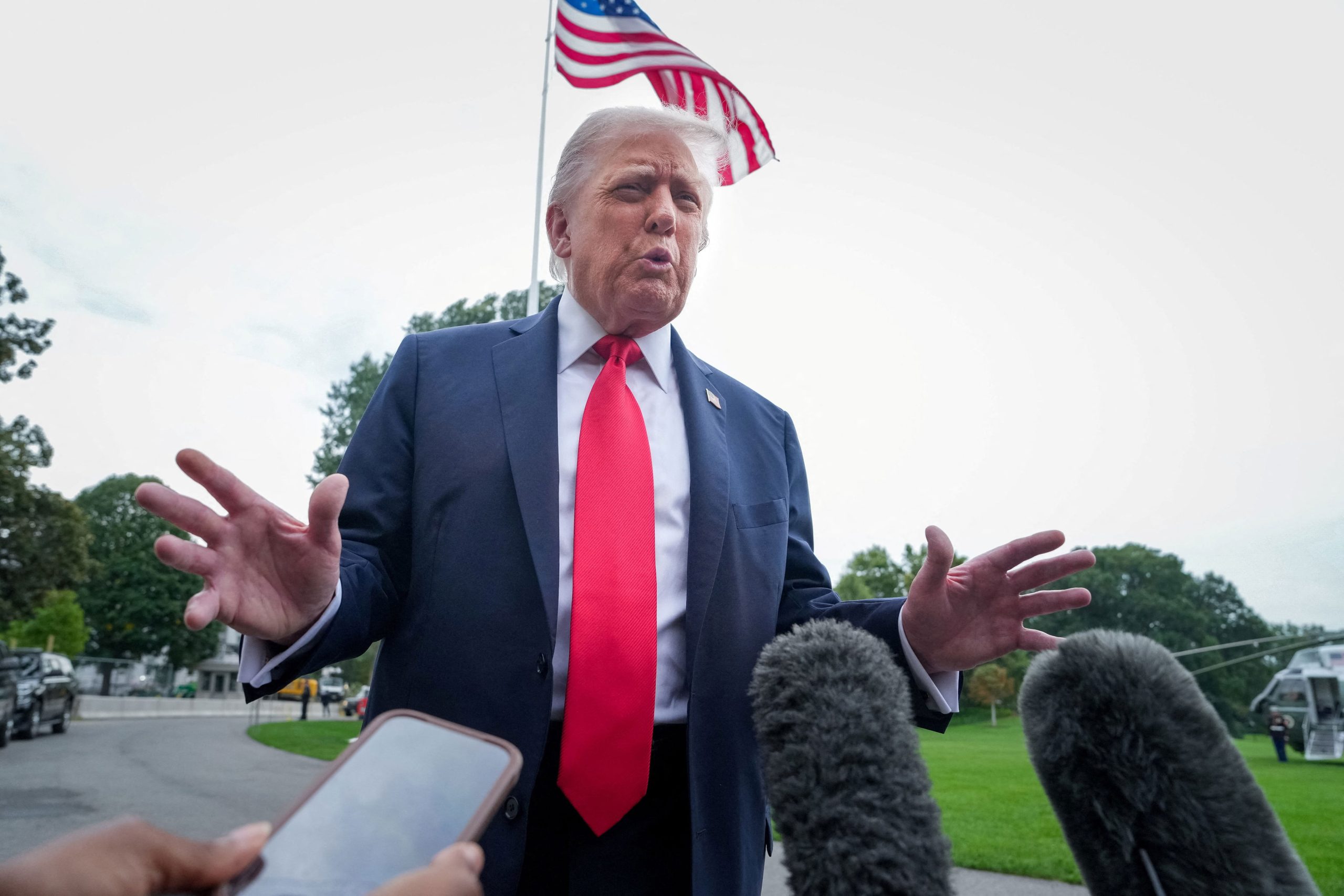
U.S. President Donald Trump has made it clear that the administration is considering higher tariff rates on certain industries, particularly semiconductors and pharmaceuticals, which he claims are more profitable than the automobile sector. This comes as part of a broader strategy to protect what he describes as American interests in global trade. The current 25% tariff on automobiles and auto parts, imposed under Section 232 of the Trade Expansion Act, is being reviewed, with potential increases for other key sectors.
The Trump administration has already implemented a 25% tariff on imports of automobiles and auto parts, citing national security concerns. However, the focus is now shifting towards semiconductors and pharmaceuticals, which Trump believes could be subject to even higher tariffs. He has previously suggested that semiconductor tariffs could reach as high as 100%, while pharmaceutical tariffs might range between 150–250%. These sectors are significant for South Korea, making the potential impact on its economy substantial.
Japan and South Korea Face Different Tariff Treatments
Japan recently reached a trade agreement with the U.S., resulting in a reduction of auto tariffs from 27.5% to 15% starting on the 16th. This move was seen as a concession by the Trump administration, although it has sparked concerns among U.S. automakers. They argue that lowering tariffs would make Japanese cars more competitive in the U.S. market, potentially harming domestic manufacturers.
In contrast, South Korean automobiles remain under a 25% tariff, despite ongoing negotiations. Trump has emphasized that the U.S. has not compromised on any trade issues, stating, “I have not compromised on anything.” He also highlighted that, before his presidency, many countries did not pay tariffs, implying that his policies have restored a more balanced trade environment.
Economic Claims and Legal Challenges
Trump has claimed that the U.S. benefits significantly from its tariff policies, asserting that the EU pays $950 billion in tariffs and Japan pays $65 billion. He has also expressed confidence in the legal framework supporting these measures, stating that “all legal experts say we won that case.” However, the Supreme Court is set to hear arguments that could determine the fate of his “tariff war.”
The Court currently has a 6-3 conservative majority, and Trump has expressed optimism about its fairness. He has suggested that winning this case could lead to the U.S. becoming “much richer than any country in the world,” potentially helping both American and foreign economies eliminate debt.
TikTok and U.S.-China Trade Talks
In another development, Trump announced that an agreement had been reached with China regarding the disposal of the Chinese video platform TikTok. He mentioned that he would speak with Chinese President Xi Jinping to finalize the details. The issue of TikTok has been a contentious one, with concerns over data privacy and potential security risks posed by its parent company, ByteDance.
Despite the implementation of a “TikTok ban law” in April last year, Trump has postponed its enforcement three times. His current approach involves negotiating a transfer of majority ownership to U.S. companies and private equity funds. He noted that “very large companies” are interested in acquiring TikTok’s U.S. business rights.
State Visit to the UK and International Relations
Trump is currently on a three-day state visit to the UK, marking the second time a U.S. president has undertaken such a visit. During his first term in 2019, he received royal hospitality from Queen Elizabeth II. When asked about pressuring the EU and NATO to halt Russian oil imports, Trump responded positively, urging immediate action.
Regarding the stalled negotiations to end the Ukraine war, he acknowledged the complexity of the situation, stating, “It takes two to tango.” He added that Zelenskyy and Putin have deep-seated animosities, making direct talks difficult. Trump hinted at the possibility of mediating between the two leaders, emphasizing the need for a forward-looking attitude from all parties involved.
Related posts:

Mother Suffers Daily Allergic Attacks After Drinking Contaminated Coffee Syrup


Challenges of Climate Change in Africa and Lessons from China’s Green Revolution

Senate joint committee finally holds hearing on Ivanhoe deal

True measure of leadership lies not in power, privilege, pageantry – Tinubu at book presentation

