
The Call for Change in Nigeria’s Security Leadership
The Nigerian Presidency has dismissed recent calls from the Youth Wing of the Christian Association of Nigeria (YOWICAN) and the National TEKAN Youth Fellowship for the removal of the National Security Adviser, Nuhu Ribadu. These groups have expressed concerns over the country’s worsening security situation and accused Ribadu of ineffective coordination and failure to meet national expectations.
In a joint open letter addressed to President Bola Tinubu, YOWICAN and the TEKAN Youth Fellowship urged the President to appoint a “competent, nonpartisan and nationally trusted professional” to replace Ribadu. They emphasized the need for decisive reforms in the national security architecture, citing the persistent killings across the country as evidence of deep systemic weaknesses.
A Response from the Presidency
Reacting to these demands, the Special Adviser to the President on Policy Communication, Daniel Bwala, stated that the groups were “entitled to their opinion.” He highlighted that President Tinubu remains confident in his security team and is focused on defeating terrorism. This response came shortly after the President reaffirmed his administration’s determination to restore peace during a Federal Executive Council meeting in Abuja.
“We assure all of you that we will defeat terrorism in this country,” Tinubu said, adding that Nigeria was “moving toward greater stability and economic recovery.”
International Concerns and Reactions
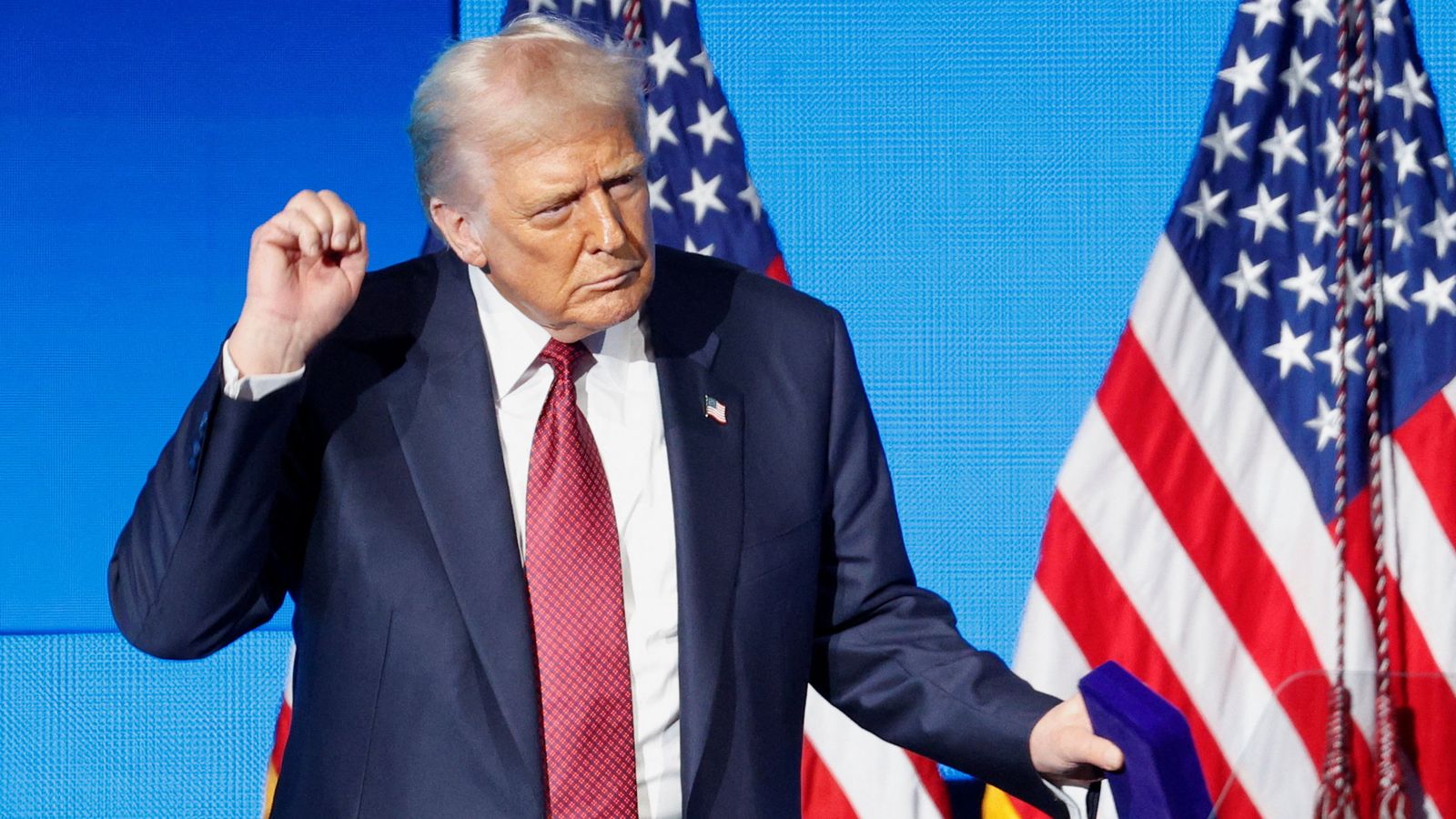
The concerns raised by YOWICAN and TEKAN have coincided with heightened global attention, particularly following comments by U.S. President Donald Trump. Trump accused the Nigerian government of allowing Christians to be “systematically targeted and killed.” His remarks drew sharp reactions from both local and international observers.
Meanwhile, a coalition of Berom indigenes in the diaspora has appealed to the international community to intervene in Nigeria’s escalating insecurity. The coalition, composed of Berom nationals from various countries, condemned the recurring attacks on Plateau communities and accused both the Federal Government and the National Assembly of inaction.
Escalating Violence in Plateau State
According to reports, no fewer than 30 people have been killed in communities across Riyom, Barkin Ladi, Mangu, and Bokkos local government areas in the past three weeks. Barry Dazhi, the coalition’s spokesman, expressed disappointment with the Tinubu-led administration and the legislature for failing to curb the incessant killings despite Nigeria’s recent designation as a “Country of Particular Concern” by the U.S. government.
Dazhi alleged that Fulani militia had repeatedly attacked Berom communities since 2001, killing thousands and displacing 151 communities. He called for the prosecution of perpetrators, the designation of Fulani militias as terrorists, and the return of occupied lands to their rightful owners.
Calls for International Support
In Sokoto, a public affairs analyst and security expert, Bashar Altine, appealed to the United States for direct military support in tackling terrorism and banditry in northern Nigeria. Altine suggested that allowing Donald Trump and his men to invade the country could help end the activities of terrorist groups like Turji.
He emphasized that the Nigerian military has made efforts but lacks the resources to match the sophistication of criminal networks. Altine advocated for U.S. military intelligence and tactical support to dismantle these camps and restore peace.
Concerns Over Religious Tensions
A group of prominent Nigerians under the aegis of the Concerned Nigerian Citizens urged President Tinubu to shelve any planned visit to the United States. They warned that Trump’s recent remarks were provocative and could inflame religious tensions.
Speaking on behalf of the group, Dr. Bilkisu Oniyangi condemned Trump’s comments as “reckless and disrespectful to Nigeria’s sovereignty.” She noted that those who kill Nigerians do not care about their faith, emphasizing that the conflict is between peace-loving Nigerians and killers.
The Need for Dignified Engagement
The group urged Tinubu to focus on strengthening national security and rebuilding public trust rather than embarking on foreign trips at a time of widespread insecurity. They stressed that Nigeria must engage the world from a position of dignity, not submission.
Oniyangi also called for the U.S. to withdraw its threats and instead assist Nigeria through strategic cooperation aimed at defeating terrorists and criminal networks across the country.
A Global Perspective on Nigeria’s Security Crisis
In late October, Trump designated Nigeria a “Country of Particular Concern” for alleged religious freedom violations, citing an “existential threat” to Christianity. He instructed the U.S. Department of War to prepare for “fast, vicious” military action if the Nigerian government failed to act decisively.
President Tinubu has rejected these claims as “misleading and simplistic,” highlighting that violence in the North-Central region arises from multiple conflicts—herder-farmer disputes, banditry, and extremism—that affect both Muslims and Christians.
The Presidency reiterated that Nigeria welcomes global counter-terrorism cooperation but will not compromise its sovereignty. “Foreign interference must never be mistaken for a solution to Nigeria’s problems. We must find our own answers as a people,” the Concerned Nigerian Citizens said.
Related posts:

Mother Suffers Daily Allergic Attacks After Drinking Contaminated Coffee Syrup


Challenges of Climate Change in Africa and Lessons from China’s Green Revolution

Senate joint committee finally holds hearing on Ivanhoe deal

True measure of leadership lies not in power, privilege, pageantry – Tinubu at book presentation

