
Rising Rent Costs and the Struggle for Affordability in the UK
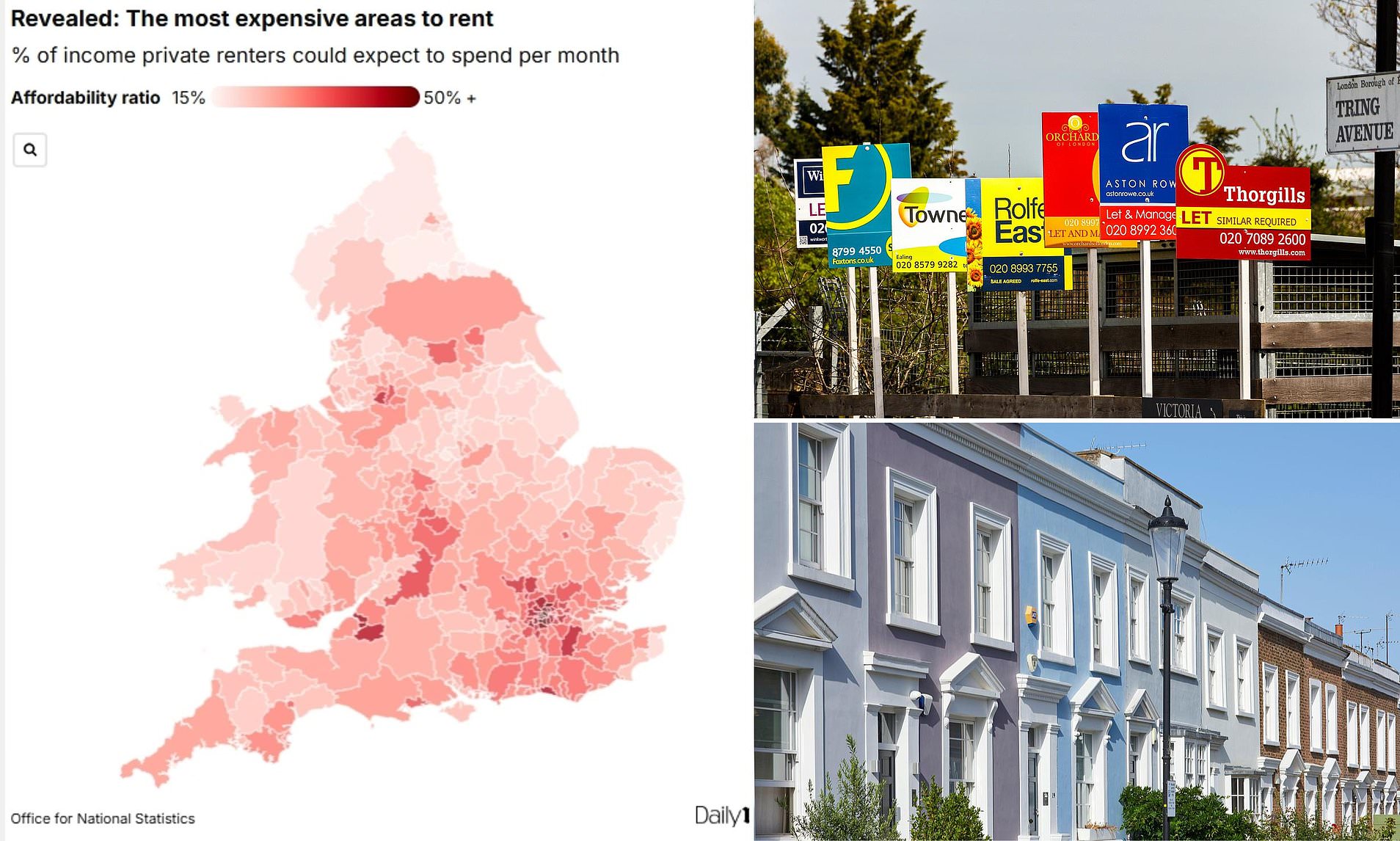
The rising cost of renting in the UK has become a major concern for many households, with renters now spending over a third of their income on housing. According to new data, individuals across England are paying up to 36.3% of their earnings on rent alone in 2024, marking an increase of more than 33.1% compared to 2023. This surpasses the 30% threshold deemed affordable by the Office for National Statistics (ONS), prompting urgent calls for rent regulation.
London remains the most expensive city in the country, with average monthly rents reaching £1,957. This equates to roughly 41.6% of a typical renter’s income, placing a significant financial burden on tenants. In some affluent boroughs, such as Kensington and Chelsea, renters are spending as much as 74.3% of their gross earnings on rent. Other areas like Westminster, Wandsworth, and Camden also exceed the 30% affordability threshold, highlighting the severity of the issue.
Across the 32 council areas in London, all have been above the 30% threshold for eight out of the nine financial years from 2016 to 2024. Similar challenges are seen in other large cities such as Bristol, Bath, and Brighton, where renters spend 44.6%, 42.7%, and 42.6% of their income on housing respectively. Commuter towns like Sevenoaks and Watford have also experienced rent increases that push them beyond the affordability limit.
In contrast, Wales and Northern Ireland have seen relatively lower rental costs. In Wales, the proportion of income spent on rent decreased slightly from 26.3% in 2023 to 25.9% in 2024. Northern Ireland saw minimal changes, with rent at 25.3% of income in 2024, compared to 25.1% in 2023. Affordability improved in several regions, including the North East, North West, East Midlands, and South East.
The North East of England is considered the most affordable region, with average rents at £641 per month, representing 19.8% of income. However, even in these areas, the rising cost of living continues to impact families.
The Impact of Rising Rents on Tenants
Experts warn that the situation is worsening. Sarah Coles, head of personal finance at Hargreaves Lansdown, highlighted that landlords are increasingly selling properties due to concerns over higher regulations and taxes. This leads to fewer available homes, driving up demand and consequently, rent prices. She noted that wage increases have not kept pace with the growth in private rental costs, exacerbating the financial strain on tenants.
Joseph Elliott, lead analyst at the Joseph Rowntree Foundation, emphasized the need for government action to address unaffordable rents, frozen housing support, and the shortage of social housing. He warned that high rents are pushing people into poverty and homelessness, underscoring the urgency of the issue.
Policy Changes and Controversies
Labour’s proposed Renters’ Rights Bill aims to prevent landlords from increasing rent within six months of a tenant moving out, particularly when selling a property. However, this legislation faces scrutiny after a minister, Rushanara Ali, was accused of hypocrisy following reports that she raised rent on her own property shortly after tenants left.
This controversy highlights the challenges in implementing fair housing policies. Despite the bill’s intentions, enforcement and public trust remain critical issues.
Student Living Trends
The rising cost of housing is also influencing student living arrangements. A growing number of Gen Z students are choosing to live at home rather than move into university accommodations. According to the Universities and Colleges Admissions Service (Ucas), nearly a third of 18-year-old applicants for the 2024-25 academic year plan to stay with their parents. This figure has more than doubled since 2007, reflecting a significant shift in student housing preferences.
The reasons cited include saving money (64%), being near family (46%), and maintaining motivation to attend classes. In London and Scotland, where rents are particularly high, staying at home is more common. Meanwhile, students in Wales, the south east, and the south west tend to follow traditional housing patterns.
Looking Ahead
As the cost of living crisis continues, experts stress the need for long-term solutions to make housing more affordable. While some regions show slight improvements, the overall trend indicates a pressing need for systemic change. Without intervention, the financial burden on renters and students will likely persist, affecting future generations.


