
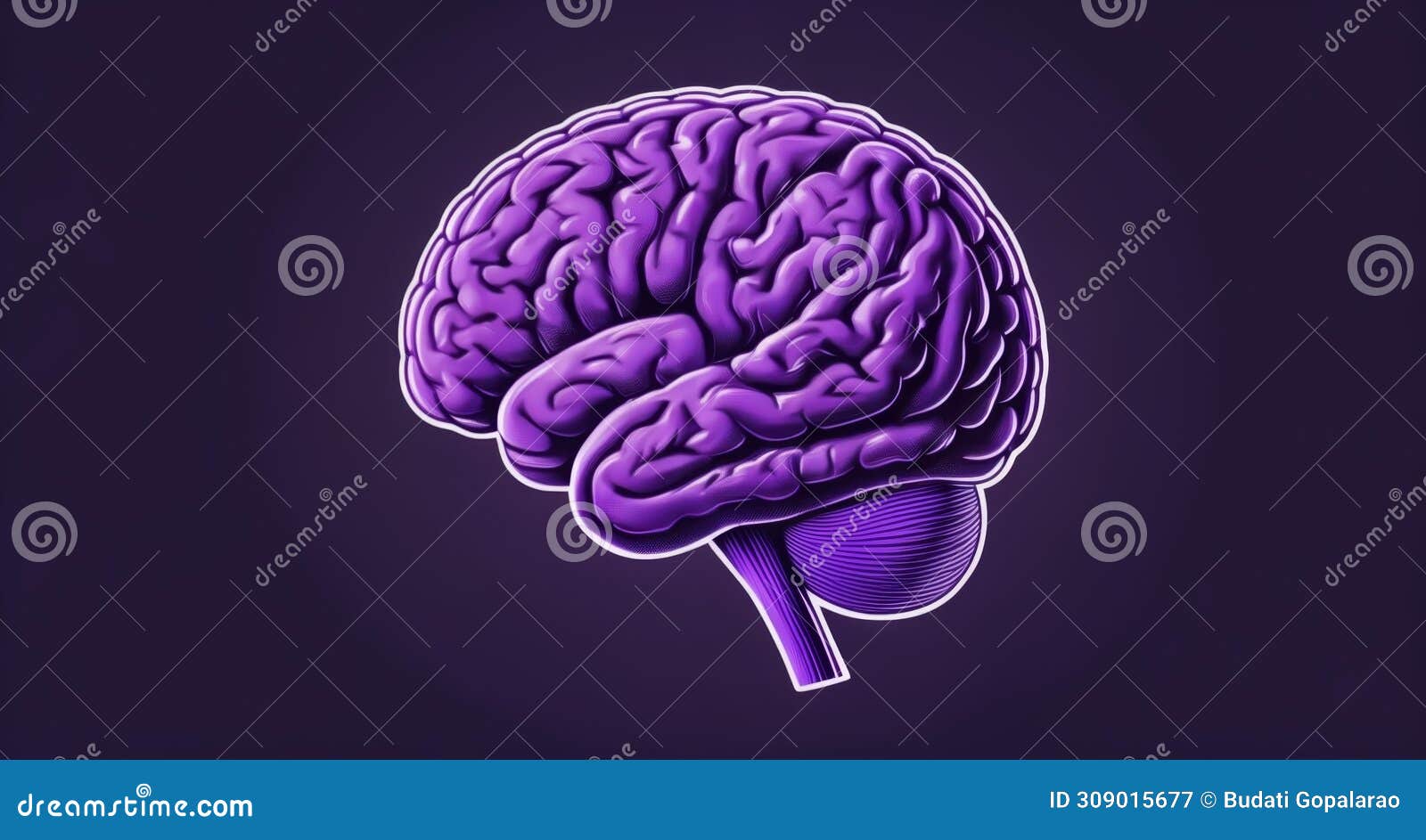
The 70th Episode: A Journey into the Depths of Personality
It is the 70th episode of our mental health diary! Yes, seventy weeks of exploring the mind, emotions, and the challenges we all face. To mark this milestone, we are launching a brand new series that will take us on a journey into who we truly are, our personalities, and help us understand what happens when these patterns become extreme, leading to personality disorders. This series promises to be insightful, relatable, and full of stories you will recognize in everyday life. Welcome to our 70th episode, and let us celebrate this achievement together as we begin a fresh chapter of discovery.
Understanding Our True Selves
Understanding our personalities begins with a simple but profound question: who are we when no one is watching? When the noise fades, when the pressure to impress disappears, when titles, roles, and expectations fall away, the quiet version of ourselves that remains is where our true personality starts. It is the steady pattern that guides how we think, feel, and behave across different situations. It influences the way we love, how we argue, how we make decisions, how we handle stress, and even how we show kindness. It is not only what we present to the world but also the silent script running beneath our actions.
The Big Five Personality Traits
A few weeks ago, I wrote about the Big Five personality traits, those broad tendencies that help explain why people behave differently. These traits describe how open we are to new experiences, how we relate with others, how we manage our emotions, how organised we tend to be, and how we respond to the world. They exist in all of us, shaped by many factors working together over time. Our childhood teaches us whether the world is safe or unpredictable. Our environment teaches us how we must behave to survive. Our biology gives us an inborn temperament that makes some people calm, some reactive, some cautious, and some adventurous. With time, these influences blend into the stable patterns we call personality.
The Misunderstanding of Personality
Yet, personality is often misunderstood. In everyday conversation, we label people quickly. Someone is stubborn, another is too emotional, another is wicked, dramatic, or oversabi. In many African settings, behaviour is sometimes explained through spirituality, home training, or simply character. But human behaviour is far more complex than these surface labels. Sometimes what looks like bad behaviour is actually a deep-seated pattern shaped by years of emotional learning. In some cases, the pattern may even point towards a personality disorder, which is not just a habit or attitude but a long-standing way of relating to the world that causes distress and affects relationships.
Recognizing Personality Disorders
In the coming weeks, we are going to journey into the world of personality disorders, but first, we must lay a proper foundation because many people mistake them for ordinary behaviour. I have seen situations, especially among women, where a full display of a personality disorder is happening right in front of loved ones, yet nobody recognises it for what it truly is. People simply think the person is dramatic, difficult, stubborn, or spiritually troubled, when in reality they need understanding, compassion, and sometimes professional help. This lack of awareness leads to judgment instead of support and affects homes, marriages, friendships, and even the workplace.
The Roots of Personality Disorders
Personality disorders do not appear out of nowhere, and they are not a sign of weak character or moral failure. They are the result of a complex mix of factors that shape how a person experiences the world and relates to others. Some people are born with a temperament that makes them more sensitive, reactive, or impulsive, while others may inherit tendencies that affect how they manage emotions or control impulses. Childhood experiences also play a powerful role. Growing up in an unpredictable home, facing neglect, abuse, or inconsistent love can teach the mind patterns of coping that become rigid over time. Families, social environments, and cultural pressures can further reinforce these patterns, shaping the ways people think, feel, and behave. Because these behaviours are learned and deeply ingrained, many people do not realize they are struggling with a personality disorder. They may think their reactions are normal, that everyone experiences life the way they do, or that the problem lies entirely outside themselves. This limited insight is part of the challenge. Often, it takes reflection, guidance, and support to recognize the patterns they have been living with for years, and even then, change requires patience, understanding, and consistent effort.
Distinguishing Between Traits and Disorders
If we understand this better, it will help us recognize the difference between traits, temperament, and personality disorders. Traits are the small tendencies we show naturally, like being talkative or reserved. Temperament is the emotional style we are born with, the one that appears early in childhood even before life experiences shape us. Personality disorders, on the other hand, are enduring patterns that become so rigid or intense that they create difficulties in daily life, relationships, and self-understanding.
The Invitation to Self-Reflection
The question “who are we when no one is watching?” invites us inward. It asks us to remove the layers we wear for society and meet the unfiltered version of ourselves. In that quiet place lies the beginning of self-awareness, and it is from there that our exploration of personality truly begins.
Why This Series Matters
This is why this series is necessary. Over the coming weeks, we will explore the three clusters of personality disorders and the ten specific conditions under them, breaking each one down in a relatable way using everyday examples that reflect real life experiences. Our goal is to help us recognize patterns, reduce stigma, respond with empathy, and understand both ourselves and the people around us more clearly.
Recommended Videos
WATCH TOP VIDEOS FROM NIGERIAN TRIBUNE TV
Back to School, Back to Business A Fresh Start
Relationship Hangout: Public vs Private Proposals – Which Truly Wins in Love?
“No” Is a Complete Sentence: Why You Should Stop Feeling Guilty
Relationship Hangout: Friendship Talk 2025 – How to Be a Good Friend & Big Questions on Friendship
Police Overpower Armed Robbers in Ibadan After Fierce Struggle


