The Tension Between the UK and the US Over Iran Attacks
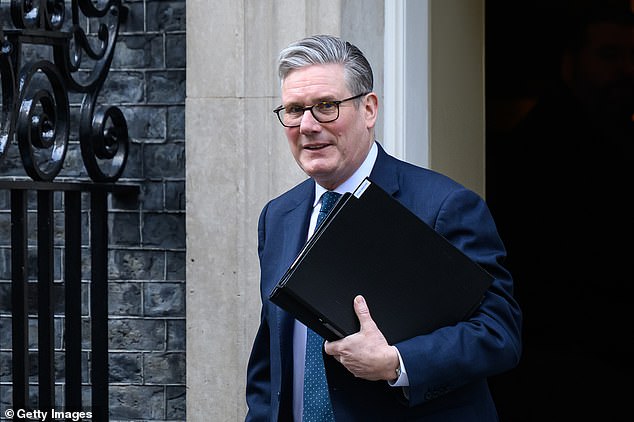
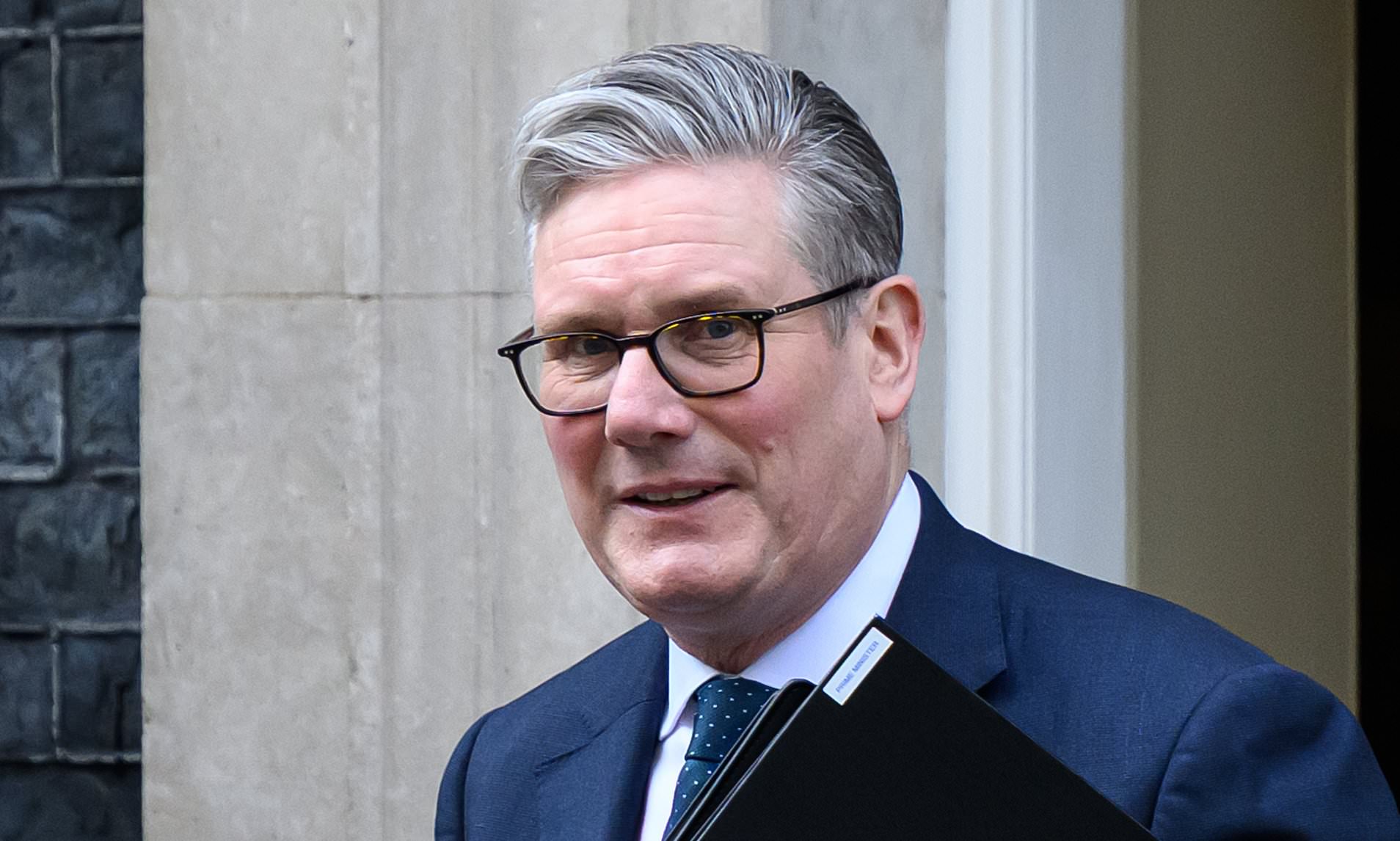
The United States has expressed frustration with the UK’s approach to the recent attacks on Iran, with officials criticizing Prime Minister Keir Starmer for his cautious stance. The Pentagon accused Starmer of being overly concerned about legal implications, using the term “pearl-clutching” to describe his response.
Starmer faced backlash for banning American bombers from using British bases to launch the attack on Tehran. This decision was seen as undermining the so-called Special Relationship between the UK and the US. The Prime Minister’s concerns over the legality of the attack were further highlighted when he suggested it could lead to further instability.
In a strong statement, US Secretary of War Pete Hegseth praised Israel for its role in the offensive, while criticizing the legalistic approach taken by Britain and other European allies. He emphasized that capable partners are essential, contrasting this with the hesitation shown by traditional allies.
A Shift in Position
Following increased pressure from Iran, which targeted civilian areas in Gulf states and RAF Akrotiri in Cyprus, Starmer made a partial U-turn. He allowed US jets to use British bases for a limited mission aimed at destroying Iranian missile launchers and stockpiles. However, he remained firm in his stance against participating in broader efforts for regime change.
Starmer warned that around 300,000 British nationals in the Gulf region were at risk due to Tehran’s actions. Despite this, he ruled out further involvement, emphasizing the need for a lawful basis for any military action.
Donald Trump criticized Starmer for delaying the lifting of the ban on US forces flying from RAF Fairford and Diego Garcia. He expressed disappointment over the PM’s attempts to transfer sovereignty of Diego Garcia to Mauritius, a move that Starmer defended as being in Britain’s national interest.
Political Reactions and Concerns
Kemi Badenoch, a prominent figure within the Conservative Party, suggested that Starmer’s approach was motivated by political considerations rather than national interest. She accused him of trying to placate voters influenced by Middle Eastern conflicts rather than focusing on the country’s needs.
Badenoch questioned the consistency of Starmer’s commitment to international law, suggesting that his decisions were driven by partisan motives. She also criticized the government for appearing weak in its response to the situation.
Nigel Farage, leader of Reform UK, called Starmer’s actions “pathetic,” stating that the PM lacked leadership and appeared weak. These criticisms reflect the growing tension within the UK political landscape regarding the government’s handling of the crisis.
Escalating Conflicts and Global Impacts
As tensions escalated, President Trump claimed the US was “knocking the crap” out of the Iranian regime, with more attacks expected. The situation prompted ministers to prepare evacuation plans for over 100,000 British nationals in the Gulf region.
European gas prices surged by 52% after Iran targeted production facilities in Qatar and Saudi Arabia. Security sources warned that Tehran had the capability to continue its attacks for at least another week, adding to regional instability.
The conflict extended beyond Iran, with Israel and Hezbollah exchanging fire, and Qatar shooting down Iranian fighter planes. Additionally, three US jets were accidentally shot down over Kuwait, highlighting the volatile nature of the situation.
Strategic Considerations and Legal Debates
Starmer hinted at pressuring Rachel Reeves to increase defense spending quickly, reflecting the ongoing debate over military preparedness. His past opposition to the Iraq War in 2003 and his declaration that it was illegal shaped his current stance on the Gulf conflict.
He emphasized the importance of a lawful basis for any UK military action, drawing lessons from the Iraq War. Starmer reiterated his commitment to acting in Britain’s national interest, despite disagreements with the US administration.
Former Tory security minister Tom Tugendhat noted that there was no comparison with the current situation, as there were no plans for a ground invasion. However, President Trump later indicated a willingness to deploy troops if necessary.
A legal opinion from the Attorney-General, Lord Hermer, stated that the attack on Iran could not be considered self-defense, despite the regime’s history of attacks on the West. This added another layer of complexity to the ongoing debate over the legality and necessity of the US-led strikes.