
Understanding the US Visa Interview Process for Nigerian Applicants
Securing a United States (US) visa is often a dream for many Nigerians, whether they are pursuing education, tourism, business opportunities, medical care, or family visits. However, the interview stage of the visa application process can be one of the most challenging and anxiety-inducing parts for applicants. This stage is crucial because it determines whether an individual meets the requirements set by US immigration laws.
Common Questions Asked During the Interview
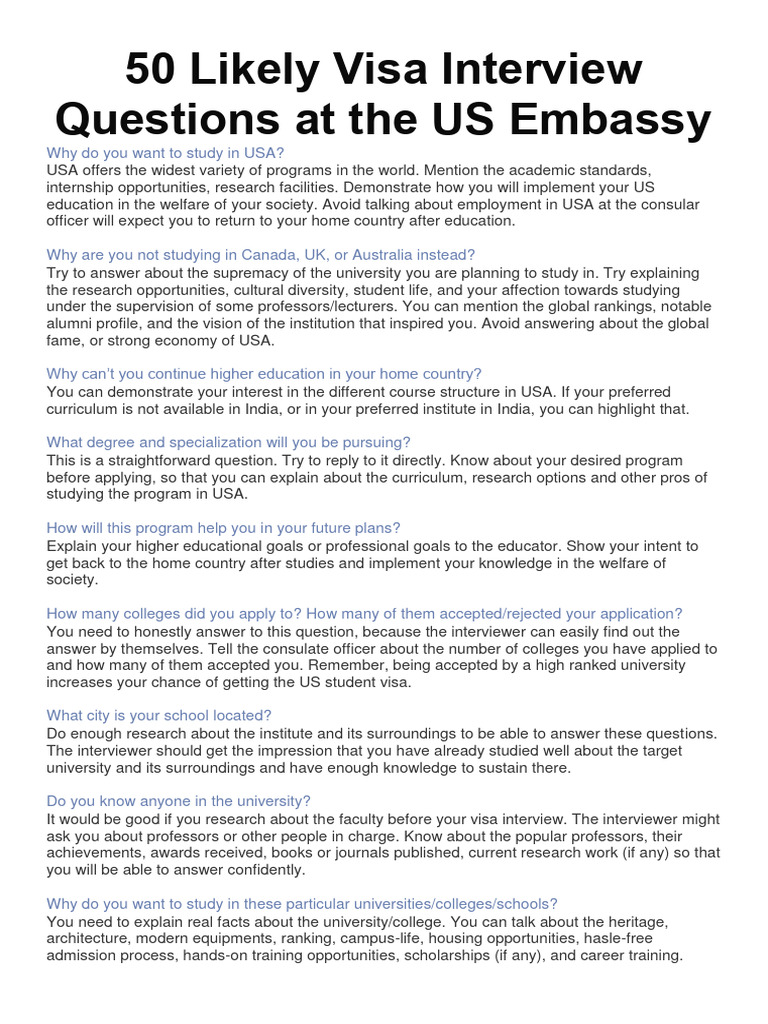
During the interview, consular officers typically ask a series of questions to assess the applicant’s intentions, credibility, and ties to their home country. Some of the most frequently asked questions include:
-
Why do you want to travel to the United States?
This question is often the first and most important. The officer wants to understand the purpose of the trip. Whether it is for tourism, study, business meetings, medical treatment, or visiting family, the answer must be clear and consistent with the information provided in the DS-160 form. Vague or conflicting responses can raise concerns. Applicants should state their purpose honestly and provide supporting details if asked. -
How long do you plan to stay?
Visa officers want to know the intended duration of the trip. The answer should match travel plans, invitation letters, school admission details, or conference schedules. A short and well-defined stay often appears more credible than an open-ended plan. -
Who is sponsoring your trip?
Financial capability is a key factor in visa approval. Applicants may be asked whether they are funding the trip themselves or if someone else is covering the expenses. If a sponsor is involved, the officer may request proof of financial support, such as bank statements, employment letters, or tax documents. The goal is to ensure that the applicant will not become financially dependent on public funds while in the United States. -
What do you do for a living?
Employment details help officers assess ties to Nigeria. Applicants may be asked about their job role, employer, salary, and how long they have worked there. Business owners may need to explain the nature of their business and provide registration documents. Strong employment history often strengthens an application because it suggests reasons to return home after the trip. -
Do you have family in the United States?
This question helps officers determine immigration intent. If the applicant has relatives in the US, they must answer truthfully. Concealing such information can lead to serious consequences. The officer may ask about the relative’s status, whether they are citizens, permanent residents, or on temporary visas. -
Have you traveled outside Nigeria before?
Travel history can influence the officer’s decision. Previous international trips, especially to countries with strict visa requirements, may demonstrate compliance with immigration rules. Applicants who have returned home after prior travels often appear more credible. -
Why will you return to Nigeria?
This question is central to many non-immigrant visa interviews. Under US law, applicants must show strong ties to their home country. These ties may include employment, business ownership, family responsibilities, property, or ongoing education. The officer wants assurance that the applicant intends to return after the visit. -
For student visa applicants: Why this school and course?
Applicants seeking study visas may be asked why they chose a particular institution and field of study. Officers expect thoughtful answers that show genuine academic interest and clear career goals. They may also ask how the course fits into future plans in Nigeria. -
How did you learn about this program or opportunity?
For students and exchange visitors, officers may want to know how the applicant discovered the school or program. This question helps confirm authenticity and personal involvement in the application process. -
Have you ever been denied a US visa before?
If the applicant has a prior denial, honesty is essential. The officer may ask what has changed since the last application. Providing updated documents or explaining improved circumstances can be helpful.
Preparing for the Interview
Although the interview may last only a few minutes, preparation is essential. Applicants are advised to review their DS-160 forms carefully before attending. Answers given during the interview must align with the information already submitted. Supporting documents should be well-arranged and easy to present if requested.
Confidence, clarity, and honesty are crucial. Visa officers are trained to observe body language and consistency in responses. Speaking calmly and directly answering questions without unnecessary details often makes a positive impression.
It is also important to understand that the final decision rests solely with the consular officer. Approval or refusal is based on US immigration laws and the applicant’s ability to meet the requirements.


