
Escalating Conflicts in Europe and the Middle East Highlight Global Instability
The ongoing conflicts in Europe and the Middle East have intensified, revealing the fragile state of global stability. These developments are not confined to the battlefields but are having far-reaching consequences that affect markets, humanitarian systems, and international relations. Analysts emphasize that localized conflicts are no longer isolated, but rather they create a ripple effect across security, economic, and political systems worldwide.
Europe: A War of Attrition with Global Consequences
The war between Russia and Ukraine has entered a more intense phase, marked by increased drone and missile exchanges targeting infrastructure and strategic positions. Reports from Reuters and BBC News indicate sustained attacks and continued heavy fighting in eastern regions, particularly in Donetsk, without a decisive shift in momentum. Al Jazeera’s coverage highlights growing pressure along multiple fronts, suggesting a prolonged war of attrition.
In addition, developments in the Black Sea are raising broader concerns. Strikes on port infrastructure are disrupting grain export routes, a trend closely monitored by the International Food Policy Research Institute. This disruption could have significant implications for global food markets.
The evolving battlefield dynamics reflect a wider transformation in modern warfare, where infrastructure, logistics corridors, and economic lifelines are becoming central targets. This shift is amplifying the global consequences of the conflict, especially for countries dependent on stable energy and food supplies.
Middle East: Escalating Tensions and Regional Concerns
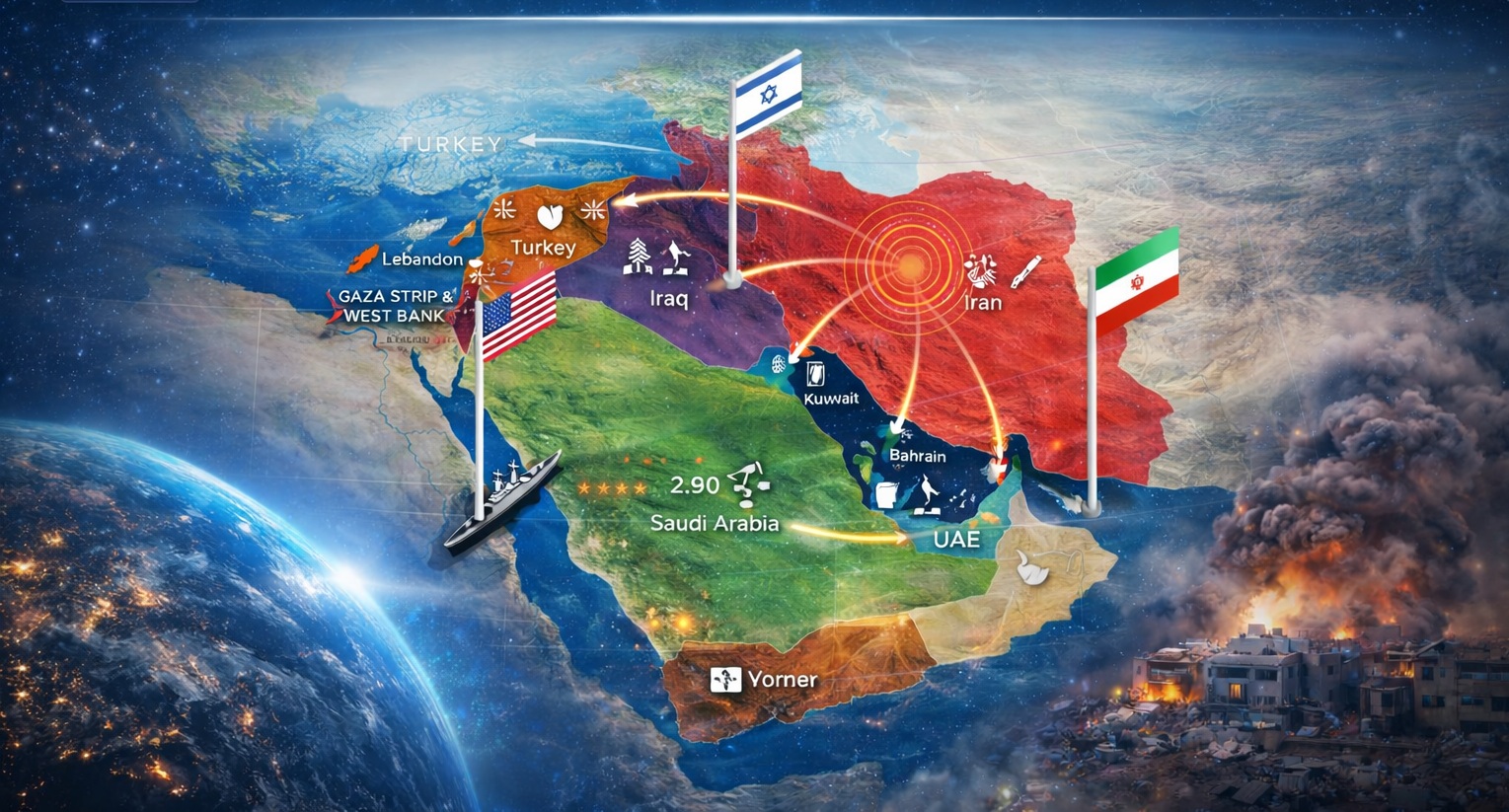
Tensions in the Gulf have escalated sharply over the past week, as confrontation between Israel and Iran fuels an expanding regional crisis. Coverage from CNN and The New York Times reports significant incidents in Tehran, alongside growing hostilities involving allied groups in Lebanon and Yemen. The situation is increasingly evolving into a multi-front confrontation, raising concerns about the security of critical maritime routes and broader regional stability.
In response, the United States has reinforced its military posture, according to CNN, reflecting mounting alarm over further escalation. Despite this, the Trump administration has reportedly offered Iran a 15-point ceasefire proposal. However, the conflict between Israel and Iran has continued to intensify across the Middle East.
According to reports first published by The New York Times, the proposal includes a one-month ceasefire and was conveyed to Iranian officials through intermediaries in Pakistan, which has also offered to host renewed negotiations between Washington and Tehran.
Analysis from the Council on Foreign Relations suggests that domestic political dynamics within major powers, particularly the United States, could significantly influence the trajectory of the crisis. Meanwhile, calls for restraint from the European Union underscore the urgency of preventing a broader regional conflict.
Global Implications: Market Volatility and Economic Uncertainty
The impact of these crises was immediately visible in global markets. Oil prices rose amid fears of disruption in the Strait of Hormuz, a key chokepoint for global energy supplies. The International Energy Agency continues to track these developments closely, with market volatility reflecting heightened uncertainty.
Financial markets also reacted sharply. Reporting by CNBC shows declines across major stock indices in Asia and Europe, alongside increased movement toward safe-haven assets. Analysts at JPMorgan Chase warn that even short-term disruptions in energy flows could have wider implications for global trade and economic growth.
Beyond markets, the broader risks are expanding geographically. Security analysts warn that instability can facilitate the spread of arms flows and extremist activity into vulnerable regions. At the same time, countries heavily dependent on wheat imports are facing renewed pressure, as supply disruptions threaten food security and increase fiscal strain.
A Rare Positive Signal: Localized Development Efforts
Amid these challenges, localized development efforts continue to provide areas of resilience. The African Development Bank highlights that sustained investments in infrastructure, renewable energy, and human capital are helping some countries withstand external shocks.
In Ethiopia, ongoing progress in renewable energy, digital infrastructure, and skills development is supporting economic transformation and strengthening adaptive capacity. Such efforts demonstrate how targeted national strategies can mitigate the impact of global instability, even as external pressures intensify.
A World of Interconnected Crises
This week’s developments illustrate how regional conflicts are increasingly interconnected with global systems. Economic shocks, humanitarian pressures, and security risks are no longer confined to specific geographies but are transmitted across borders with growing speed.
For many countries, particularly in Africa, the consequences are immediate. Rising prices, constrained fiscal space, and heightened insecurity are placing additional strain on development gains. The current trajectory underscores the importance of coordinated international responses alongside resilient domestic policies, as nations navigate an increasingly uncertain and interdependent global landscape.


