

Although almond and cashew milks are lauded for their general health advantages, peanut milk distinguishes itself with its elevated protein levels, which makes it crucial to take into account your specific dietary objectives when selecting the appropriate nut milk.
 |
|
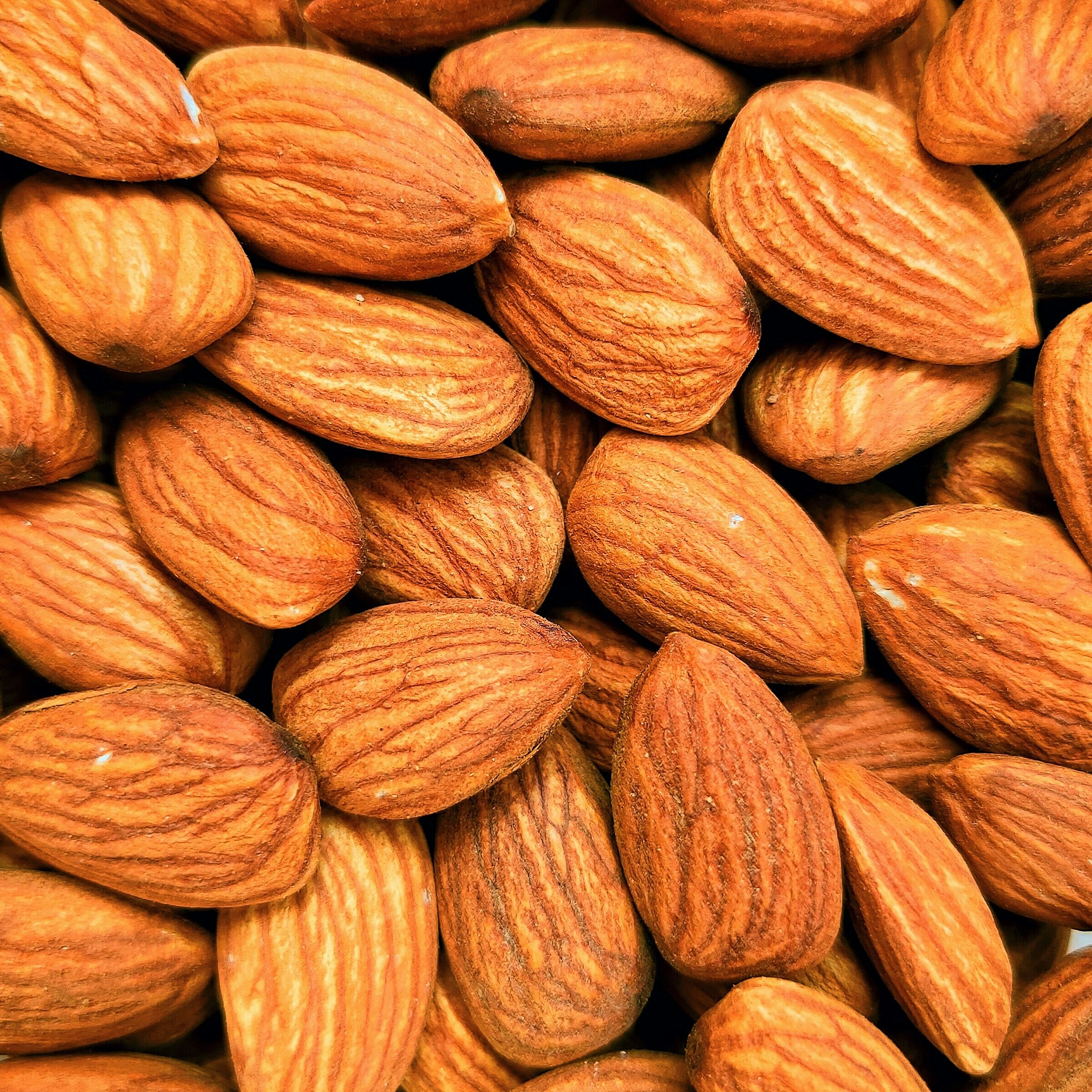
Almonds. Stock image courtesy of Unsplash |

According to
Healthline
,
nut milks
Their popularity has risen significantly in recent years, especially among people seeking dairy substitutes. According to market studies, the sale of non-dairy milk jumped by 61% between 2013 and 2018, highlighting their increasing appeal.
Overall, nut milks provide various health advantages compared to conventional dairy milk due to differences in their nutrient composition. These plant-based alternatives typically have fewer calories, which can be beneficial for individuals aiming to decrease calorie consumption. Additionally, nut milks frequently come enriched with calcium and vitamin D—key elements for maintaining strong bones—and sometimes surpass the levels found in regular milk.
Below is a comparison of the nutritional values for various types of nut milk per serving size:
|
Nut milk type |
Calories |
Fat |
Protein |
Carbs |
|
Almond milk |
30–40 |
2.5g |
1g |
1g |
|
Cashew milk |
25 |
2g |
<1g |
1g |
|
Macadamia nut milk |
50–70 |
4–5g |
1g |
1g |
|
Hazelnut milk |
70–100 |
4–9g |
3g |
1g |
|
Walnut milk |
120 |
11g |
3g |
1g |
|
Peanut milk |
150 |
11g |
6g |
6g |
To compare, one cup of 2% cow’s milk has 120 calories, 5 grams of fat, and 12 grams of carbohydrates. Clearly, many nut milks offer a fewer calorie option compared to dairy products.
However, according to
Eating Well
A serving of 2% cow’s milk, which is about a cup, includes 8 grams of protein, giving it an edge over many commonly consumed nut milks when it comes to protein content.
Hence, if you seek a nutrient-dense choice, either of these could be suitable.
almond
and
cashew milks
are notable for having fewer calories, fats, and carbohydrates when compared to cow’s milk.
Furthermore, consuming one cup of cashew milk can fulfill approximately half of your daily requirement for vitamin E, whereas almond milk meets around 20% of this need. Both types are abundant in calcium and vitamin D. Specifically, cashew milk covers roughly 50% of your daily calcium needs, compared to almond milk’s contribution of about 25%.
If you’re seeking higher protein content, peanut milk might be your top pick, containing 6 grams of protein per cup, which makes it perfect for individuals aiming to increase their protein consumption.
Given the wide range of options, there’s a nut milk suited for everybody based on their specific nutritional requirements. When selecting the ideal nut milk, keep both your dietetic demands and taste inclinations in mind.


