

The Power Vacuum in Iran and the Rise of Ali Larijani
With US-Israeli airstrikes targeting key Iranian leadership, including Supreme Leader Ayatollah Ali Khamenei, a power vacuum has emerged in Iran. In this uncertain climate, veteran politician Ali Larijani appears to be stepping into a critical role. Known for his pragmatic approach and strategic influence, Larijani is now seen as one of the most powerful figures in the country.
The airstrike on Khamenei’s Tehran residence marked the beginning of a new phase in the conflict between Iran and its adversaries. Alongside the supreme leader, several high-ranking officials were reportedly killed, creating a significant gap in the Iranian leadership structure. While the country has yet to formally announce a successor, it seems that Larijani is filling the void.
Larijani’s rise to prominence comes despite not being a cleric, which is unusual given the religious nature of Iran’s political system. His family, however, has deep roots in both religious and political circles. Described by Time magazine as the “Kennedys of Iran,” the Larijani family includes several influential figures, such as his brother Sadeq Ardeshir Larijani, who served as head of Iran’s judiciary, and another brother, Mohammad-Javad Larijani, who was a senior foreign policy adviser to Khamenei.
A Pragmatic Approach in a Hostile Environment
Despite his non-clerical background, Larijani has built a reputation as a skilled negotiator and a shrewd political operator. He has worked with various international actors, including Russia, China, and even the United States, often adopting a pragmatic stance. However, in the current context of open war between Iran and the US-Israel alliance, his position has shifted.
In response to the recent attacks, Larijani took to national television and social media to condemn the actions of the US and Israel. He vowed retaliation, stating, “We will burn their hearts,” and “We will make the Zionist criminals and the shameless Americans regret their actions.” These remarks reflect a hardline stance, but they also highlight his ability to balance rhetoric with strategy.
A Controversial Political Career
Larijani’s political journey has been marked by both success and controversy. He joined the Islamic Revolutionary Guard Corps in 1981 and later pursued higher education, earning degrees in computer science and philosophy. His academic work, including a PhD thesis on Immanuel Kant, showcased his intellectual depth.
His career took off when he became the head of Iran’s state-funded broadcaster, where he used the platform to promote government narratives. He also played a pivotal role in securing support for the 2015 JCPOA nuclear deal, which aimed to curb Iran’s nuclear program in exchange for sanctions relief. However, the deal was later abandoned by the Trump administration.
Larijani’s political ambitions were met with resistance from hardliners. Despite this, he managed to serve as parliamentary speaker for 12 years and held key positions in Iran’s security apparatus. However, he was barred from running for president in 2021 and 2024, with some speculating that his daughter’s foreign ties and his criticism of regime figures were factors in his disqualification.
The New Role in a Changing Landscape
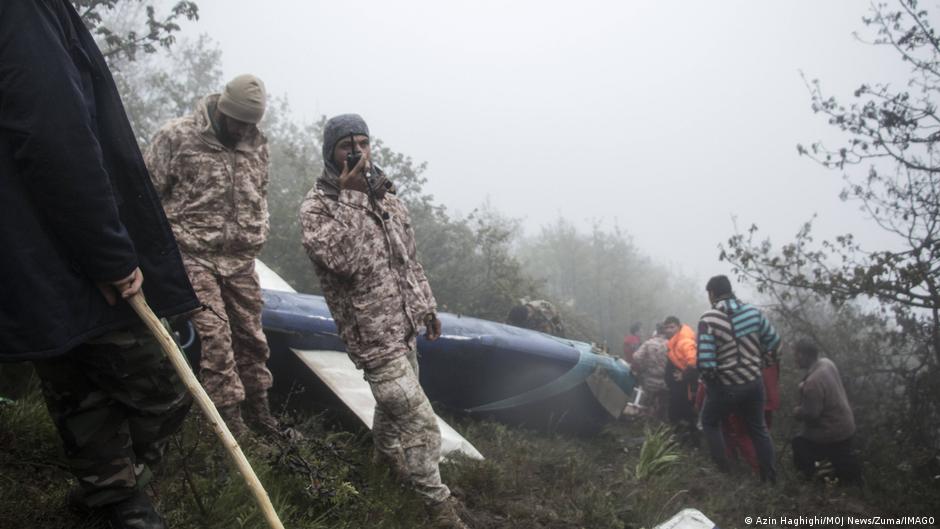
Following the death of President Ebrahim Raisi in 2024, Larijani was reappointed as head of the Supreme National Security Council, reinforcing his influence in the new administration. His role has become even more prominent as Iran navigates the challenges posed by the ongoing conflict with the US and Israel.
Larijani has also been active in diplomatic efforts, traveling to Moscow and acting as a key liaison between Iran and Russia. His presence in these negotiations underscores his importance in shaping Iran’s foreign policy.
In an interview with Al Jazeera, Larijani emphasized that Iran had prepared for potential conflict, stating, “We found our weaknesses and fixed them. We are not looking for war, and we won’t start the war. But if they force it on us, we will respond.”
As Iran continues to grapple with the aftermath of the airstrikes and the loss of its leader, Larijani’s role as a central figure in the regime’s decision-making process remains crucial. His blend of pragmatism and political acumen positions him as a key player in determining the future direction of the country.


