
The Political Landscape and Challenges Ahead
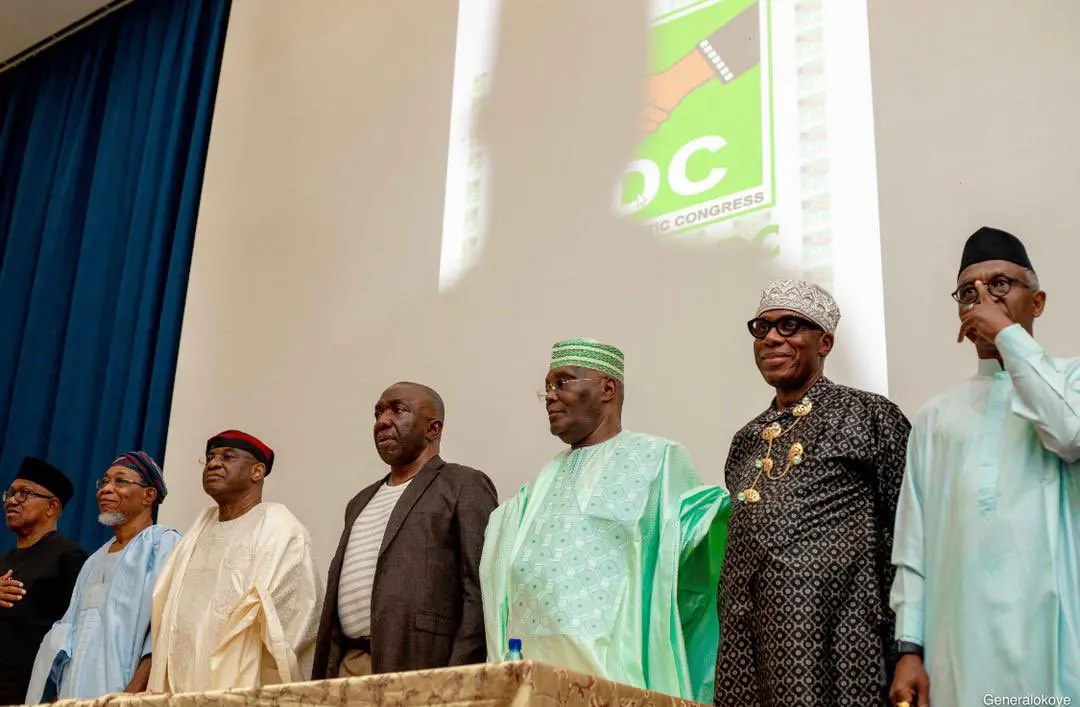
Malam Lawal Batagarawa, a former Minister of State for Defence under the administration of President Olusegun Obasanjo, is currently a prominent figure in the opposition African Democratic Congress (ADC). As a founding member of the People’s Democratic Party (PDP), he has been vocal about various issues related to the upcoming 2027 general elections, including the state of security, the economy, and governance. In an interview with Trust Television, he shared his insights on these pressing matters.
Current Activities in the Opposition Party
Batagarawa discussed the challenges his party faces, particularly regarding the recognition of new leaders by the Independent National Electoral Commission (INEC). He acknowledged that court cases surrounding this matter are a distraction, as they divert energy from building the party and mobilizing support. However, he emphasized that such legal battles are often orchestrated by the ruling party to destabilize the opposition.
Allegations of Government Involvement
When asked about claims that the current government might be involved in these court cases, Batagarawa suggested that the ruling party would do anything to prevent the opposition from focusing on winning elections. He noted that the current administration is underperforming in key areas like security and governance, which makes them resort to unconventional tactics.
Reflections on Past Governance
Batagarawa defended his past administration, stating that there were no “tricks” involved, only fair dealings. He also addressed allegations that problems began during his time, pointing out that Boko Haram’s activities were not unique to his era. He argued that his government managed such issues effectively, unlike the current administration, which struggles to ensure public safety.
Concerns About Support for President Tinubu
Batagarawa expressed concerns about the growing support for President Bola Ahmed Tinubu among governors, legislators, and power brokers. However, he viewed this as a challenge rather than a threat, emphasizing that democracy allows for diverse opinions. He believed that the real work of politics lies in mobilization and persuasion, not in public displays of allegiance.
Strategies for the Future
When questioned about the ADC’s strategy for the 2027 elections, Batagarawa was cautious, noting that revealing strategies could be detrimental. However, he confirmed that the party has a plan, drawing from his extensive political experience. He highlighted the importance of managing internal egos and leveraging the diversity within the party to foster national unity.
Vision for Government
Batagarawa stressed the need for a government that prioritizes security and economic stability. He argued that the current administration is failing in its core responsibilities, particularly in providing security for citizens. He criticized the National Security Adviser for downplaying the severity of the situation, suggesting that the adviser’s comments are self-serving.
Addressing Security Challenges
Batagarawa outlined the need for a comprehensive approach to security, combining both kinetic and non-kinetic strategies. He emphasized that addressing the root causes of insecurity, such as poverty and hunger, is crucial for long-term stability. He also pointed out that local communities are taking initiatives to address these issues, highlighting the lack of effective government action.
Economic Concerns
Batagarawa criticized the current government’s economic policies, arguing that they have led to a decline in living standards. He cited the collapse of the rice production system and the impact of currency devaluation on workers’ incomes. He challenged the government’s claims of economic progress, questioning how policies that push the economy into a tailspin can be considered achievements.
Trust and Credibility
Batagarawa acknowledged the skepticism surrounding the opposition, given the history of past administrations. However, he urged voters to compare the current government’s performance with that of previous ones, emphasizing the need for accountability and transparency.
Conclusion
As the 2027 elections approach, Batagarawa’s insights provide a critical perspective on the challenges facing Nigeria. His emphasis on security, economic stability, and good governance underscores the need for a government that truly serves the people. With the ADC striving to build a strong opposition, the path ahead remains complex but essential for the country’s future.


