
The Complexity of Regime Change
Since Nicolás Maduro’s removal, there has been a surge in social media posts accusing anyone who questions the United States’ involvement of sympathizing with a tyrant. This narrative frames any concern about the method of his removal as a betrayal of moral values, suggesting that one must either celebrate foreign-imposed regime change or be seen as an apologist for dictatorship.
This kind of framing is not only intellectually dishonest but also dangerously simplistic. It overlooks the complex and consequential debate surrounding the removal of a dictator. History teaches us to approach such matters with caution, as the consequences can be far-reaching and unpredictable.
The fall of a dictator often brings a sense of relief, especially among those who have endured years of repression, poverty, and fear. Most people would not mourn the end of a corrupt and authoritarian leader like Nicolás Maduro. His record of economic mismanagement, political repression, and human rights violations is well-documented.
However, the central question should not just be whether a dictator deserved to fall, but how that fall occurred and what follows. Maduro’s removal through foreign intervention raises serious legal, moral, and practical concerns.
Under international law, the forcible removal of a sitting government by an external power disregards state sovereignty and sets a dangerous precedent. It implies that powerful states may feel entitled to depose any leader they oppose, regardless of their support from the local population. Examples like the U.S.-backed coup in Chile in 1973, which ousted President Salvador Allende, illustrate this point.
Two wrongs do not make a right. A brutal ruler does not justify an unlawful process, especially when it is imposed without the consent of the governed or the establishment of legitimate transitional mechanisms. Removing a leader without dismantling the system that sustained him is not liberation; it is political theater that often results in deeper suffering.
Those celebrating Maduro’s downfall today may find themselves disillusioned tomorrow. History is full of examples where externally driven regime change promised democracy but delivered chaos, instability, and prolonged misery. Iraq, Libya, and Afghanistan are grim reminders of this reality.
Saddam Hussein, Muammar Gaddafi, and the Taliban-led government in Afghanistan were all forcibly removed through foreign intervention, leading to prolonged violence, fragmentation, and human catastrophe. While there was massive jubilation when these leaders were ousted, ordinary citizens soon paid the highest price, while foreign interests secured strategic and economic advantages.
It would be naïve to believe that the U.S. removed Maduro primarily out of concern for Venezuelan citizens. Geopolitics is rarely altruistic. The sidelining of Venezuela’s opposition in favor of working with figures from within the old power structure signals that this intervention was about control, not democracy.
President Donald Trump has already signaled that his administration is in talks with Maduro’s deputy, Delcy Rodríguez, who has now been installed as the new president. He stated that prominent opposition figures like Nobel Peace Prize laureate María Corina Machado “do not have the support or the respect within the country” necessary to influence the transition.
When the same forces that claim to be liberators ignore credible democratic actors and instead consolidate power through expedient alliances, it becomes evident that the well-being of ordinary citizens is secondary to the strategic interests of external powers.
Acknowledging these realities does not amount to sympathizing with Maduro. On the contrary, it reflects a deeper commitment to genuine democracy and human dignity. Critiquing the method of his removal is not the same as defending his rule. This distinction is often deliberately blurred to silence legitimate concerns.
Anyone who questions foreign intervention is hastily labeled an apologist for dictatorship, when in fact they may be among its fiercest critics. This debate is painfully familiar to Zimbabweans.
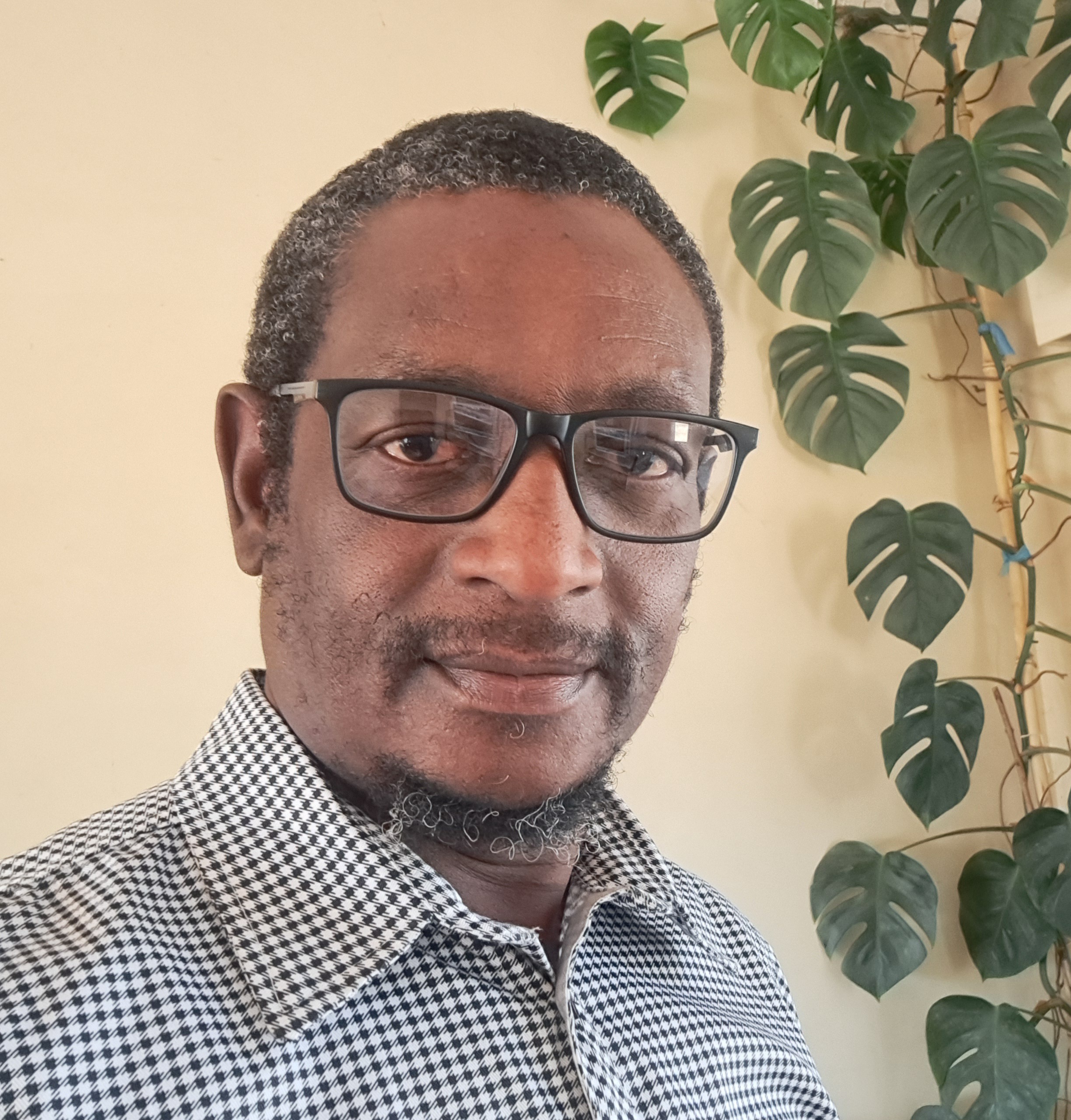
In November 2017, after nearly two decades of openly criticizing Robert Mugabe’s brutal and destructive rule, I found myself speaking out against his removal through a military coup. Like millions of Zimbabweans, I understood the joy, relief, and catharsis that accompanied Mugabe’s fall. He had presided over economic collapse, political violence, and mass suffering.
Celebrations were inevitable, and emotionally justified. Yet even in that moment of national euphoria, it was clear that something was deeply wrong. Mugabe was not removed through a constitutional process or a democratic transition, but through a military intervention dressed up as a “non-coup.” One man was replaced, but the system of repression, militarized politics, and elite corruption remained intact. Worse still, it was reinforced.
I warned then that removing Mugabe without dismantling the architecture of authoritarianism would lead Zimbabwe down an even darker path. That warning was not popular. Many accused me of being ungrateful, negative, or even sympathetic to Mugabe. Yet time has vindicated those concerns.
Today, Zimbabwe is economically weaker, politically more repressive, and institutionally more compromised than it was in 2017. The promise of “a new Zimbabwe” was an illusion. The coup did not bring reform; it merely rearranged power within the same predatory elite.
This is precisely the danger facing Venezuela. Desperation can be blinding. When people are crushed for too long, any change feels like salvation. But not all change is progress. When repression is replaced by externally imposed authority, or by recycled elites serving foreign interests, the cycle of suffering continues—often in more complex and less visible forms.
True liberation is not achieved by force from outside, but through legitimate, accountable, and inclusive processes rooted in the will of the people. Democracy cannot be airlifted in by foreign troops, nor can it be sustained by proxy rulers lacking popular legitimacy.
Without strong institutions, respect for human rights, and genuine political participation, regime change becomes little more than regime replacement. The lesson from Zimbabwe, Libya, Iraq, and countless other cases is stark: removing a repressor is not the same as building freedom.
In fact, when removal is driven by foreign interests rather than domestic democratic struggle, the outcome is often worse than what existed before. Sovereignty may be violated, institutions weakened, and societies fractured beyond repair.
We must therefore guard against allowing our justified hatred of dictators to push us into supporting processes that ultimately harm the very people we claim to stand with. Moral clarity requires consistency. If we oppose oppression, we must also oppose unlawful and destabilizing methods that masquerade as liberation.
Anything less is intellectual dishonesty. The fall of a tyrant should mark the beginning of justice, accountability, and renewal—not the opening of a new chapter of exploitation and despair.
If history teaches us anything, it is that the manner in which change occurs matters just as much as the change itself. And when we ignore that lesson, we condemn future generations to repeat the same painful cycle.


