
The Turbulent Landscape of Labour Leadership
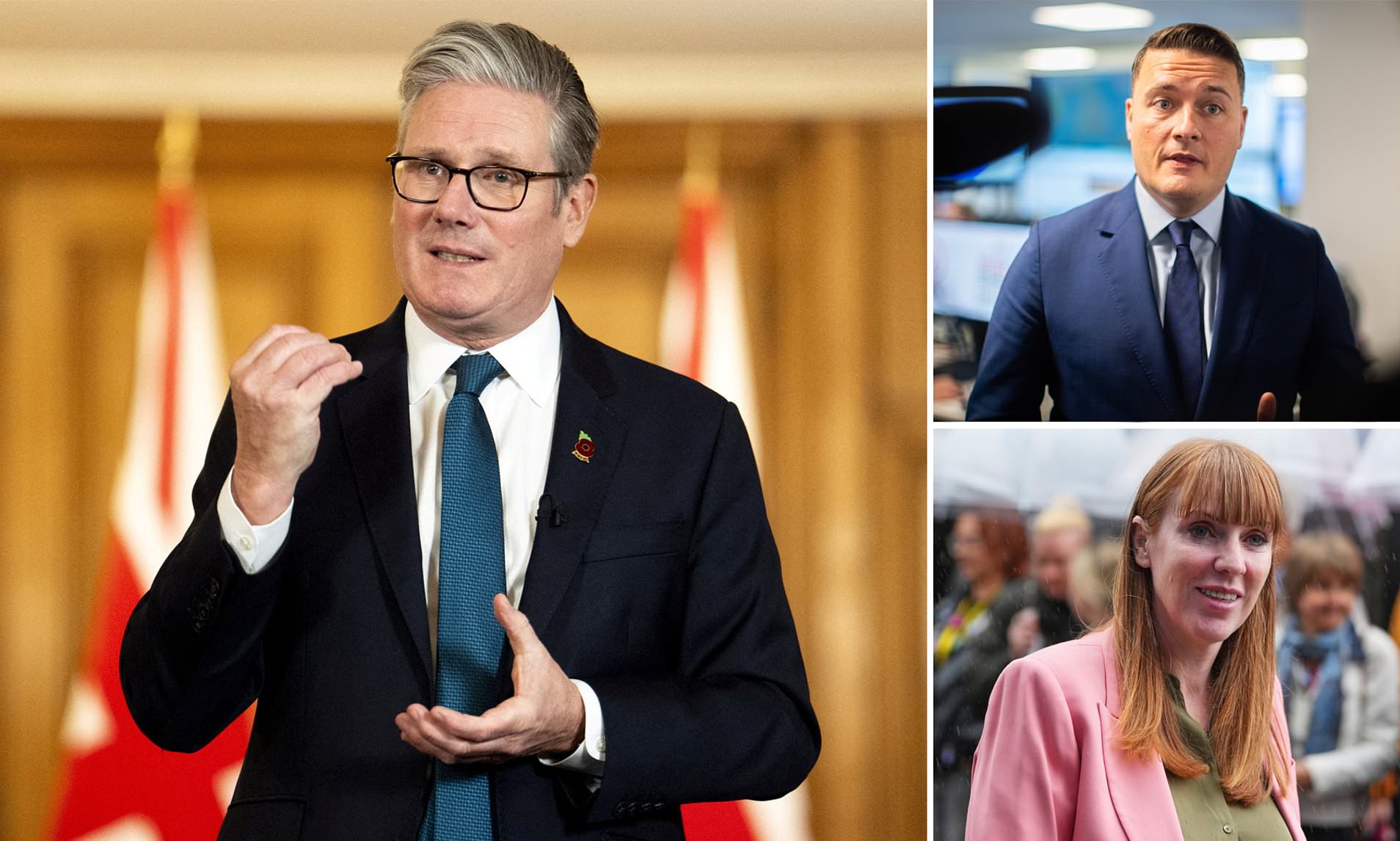
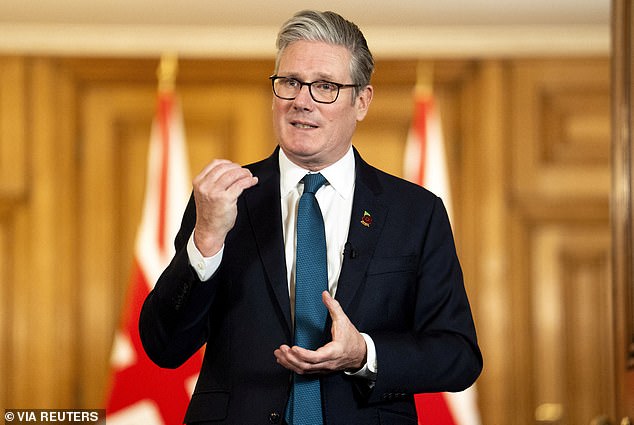
The recent revelations about internal strife within the Labour Party have sent shockwaves through the political landscape. A fortnight ago, it was disclosed that some Labour MPs were considering ousting Sir Keir Starmer, the party leader. This led to the formation of a group of four potential successors, humorously referred to as the ‘drab four’ by columnist Richard Littlejohn.
Over the past week, the situation has escalated from farce to tragedy, affecting not only the party’s internal dynamics but also Britain’s economy and global standing. The number of Labour MPs involved in these behind-the-scenes machinations has grown significantly, with some even likened to the Grand National race due to the sheer number of contenders.
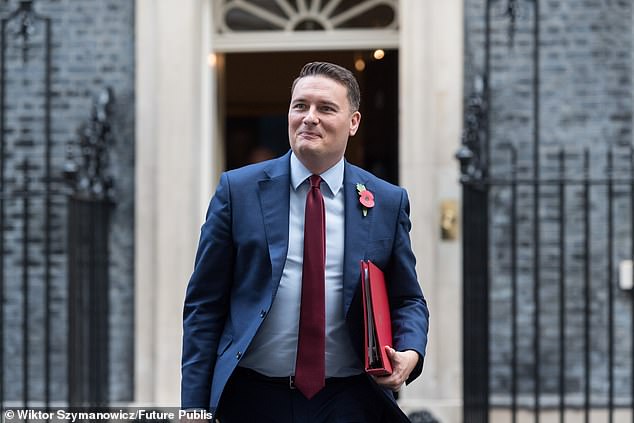
One of the key figures in this turmoil is Health Secretary Wes Streeting. His public opposition to increasing income tax rates has positioned him as a strong contender for leadership. However, the chaos surrounding the Budget preparations, particularly the U-turn on income tax, has created an environment ripe for a challenge against Starmer.
Growing Frustration and Demands for Change
The growing frustration among Labour MPs has led to calls for the removal of No 10 chief of staff Morgan McSweeney. One MP stated, “It has got to the point where either Morgan goes or the Prime Minister does.” This sentiment highlights the deepening rift within the party and the urgency for change.
The fear of a coup has influenced key decisions, such as Rachel Reeves’ reversal on the income tax increase. Streeting’s allies believe that his position could be strengthened by capitalizing on the backlash. This has led to an increased number of Labour Ministers and MPs considering a bid for leadership, with estimates suggesting close to a dozen individuals are in the running.
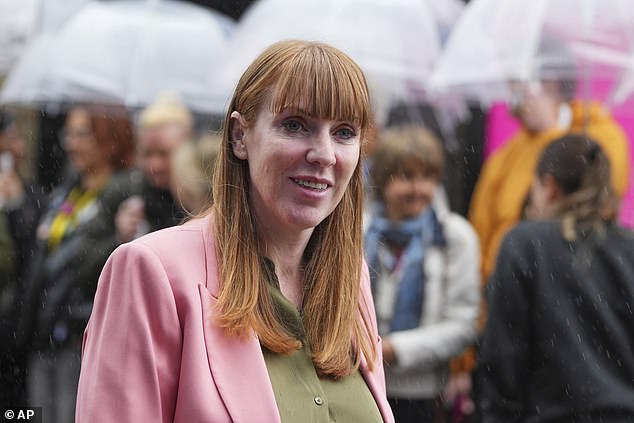
Manchester Mayor Andy Burnham is currently seen as the favorite among both the public and party members. However, his lack of a Commons seat presents a significant hurdle. Streeting’s allies hope he can make a move before his main rival, Angela Rayner, recovers from her resignation and while Burnham works on re-entering Parliament.
The Role of Key Players and Alliances
The situation has also brought to light the complex web of alliances and power struggles within the party. Darren Jones, the chief secretary to the Prime Minister, is under scrutiny for his role in the briefings, although he denies any involvement. Sir Keir’s decision to shut down his supposed ‘leak inquiry’ by accepting denials has not quelled the unrest on the backbenches.
Wes Streeting’s relationship with Morgan McSweeney has been strained, with Streeting reportedly expressing his frustrations in a heated phone call. This incident underscores the shifting dynamics within No 10, with Left-wing Labour MPs alleging a ‘stealth takeover’ by Tony Blair’s allies.
Key figures such as Jonathan Powell, Sir Keir’s national security adviser, and Alan Milburn, a former Health Secretary, are also playing roles in shaping the party’s direction. Their influence extends to the vetting of key appointments, adding another layer of complexity to the leadership race.
The Impact of Blairite Influence
The recent appointment of PR man Tim Allen and Tom Baldwin, both associated with Tony Blair’s inner circle, has raised concerns among some Labour MPs. Clive Lewis, a Left-wing MP, criticized the return of Blairite figures, stating that it risks narrowing ideas at a time when fresh thinking is needed.
Streeting has attempted to distance himself from the Blair wing by focusing on the Palestinian cause and supporting Lucy Powell, a political ally of Andy Burnham. This shift in focus may help him gain favor among party members who seek a more progressive direction.
Potential Contenders and Future Outlook
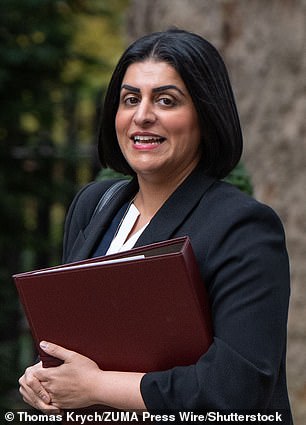
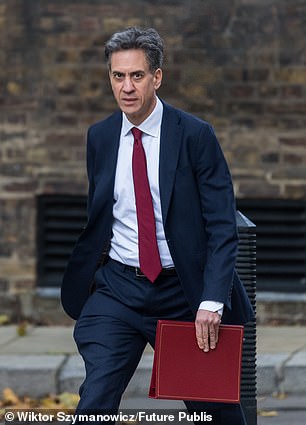
Other potential leadership contenders include Home Secretary Shabana Mahmood, Energy Secretary Ed Miliband, Defence Secretary John Healey, Education Secretary Bridget Phillipson, former Transport Secretary Louise Haigh, and Lucy Powell. Each of these individuals brings their own strengths and challenges to the table.
A Labour MP noted the growing frustration with Starmer’s handling of the briefing crisis, stating, “It took the best part of a day to pick up the phone to Wes.” This sentiment reflects the broader discontent within the party.
As the leadership race intensifies, the question remains: will Wes Streeting emerge as the frontrunner, or will other candidates rise to prominence? The outcome of this internal struggle will have significant implications for the future of the Labour Party and its ability to govern effectively.


Related posts:

Mother Suffers Daily Allergic Attacks After Drinking Contaminated Coffee Syrup


Challenges of Climate Change in Africa and Lessons from China’s Green Revolution

Senate joint committee finally holds hearing on Ivanhoe deal

True measure of leadership lies not in power, privilege, pageantry – Tinubu at book presentation

