
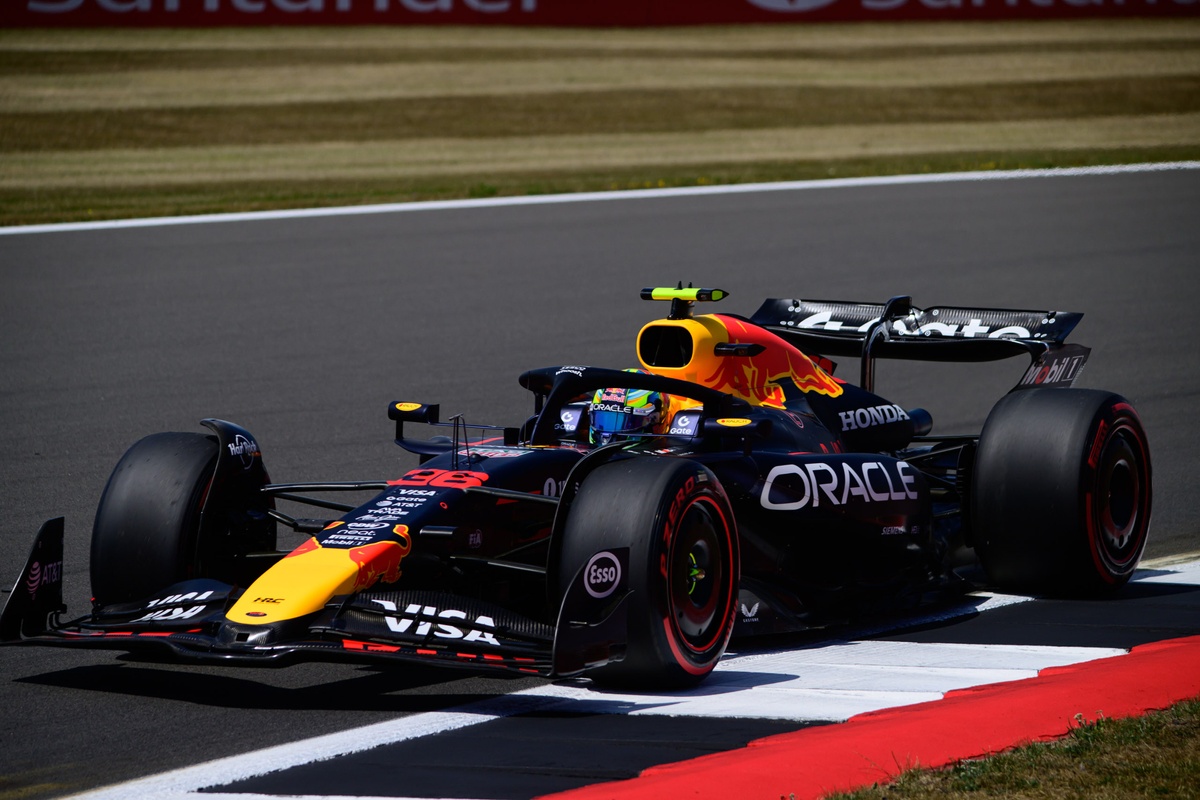
The Evolution of Rookie Drivers in Formula 1
The myth that the current generation of Formula 1 cars are too difficult for rookie drivers to handle was effectively debunked in 2024. Oliver Bearman’s impressive debut as a last-minute replacement for the injured Carlos Sainz at Ferrari during the Saudi Arabia race demonstrated that young drivers could indeed adapt and perform at the highest level. This shift in perception had significant implications for the driver transfer market, influencing decisions made in the following years.
Impact on the Driver Transfer Market
For the previous two years, the belief that modern F1 cars were challenging for rookies had shaped the driver transfer market. This notion contributed to a relatively static silly season as teams transitioned from 2023 to 2024. Logan Sargeant was retained despite his struggles, while AlphaTauri/RB was taken aback by Liam Lawson’s strong performances in late 2023, even though they had already signed Daniel Ricciardo for the following year.
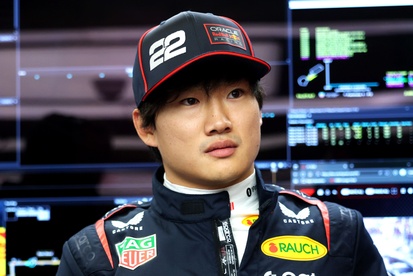

As the 2024 season progressed, more young drivers began to shine. Liam Lawson took over from Ricciardo in the latter stages of the year and secured a Red Bull drive. Franco Colapinto proved to be an immediate upgrade over Sargeant, and Alpine gave Jack Doohan a run in the final race of the season, although his debut was limited to just six races.
The 2025 grid saw the addition of Andrea Kimi Antonelli, Gabriel Bortoleto, and Isack Hadjar, reflecting a renewed faith in youth. While mistakes are inevitable, they are often referred to as “rookie errors,” highlighting the learning curve involved.

2026: A New Era or a Bottleneck?
Despite the clean-sheet approach in technical regulations for 2026, Cadillac’s decision to pursue experience by signing two drivers who lost their seats in 2025 has created a bottleneck in the championship. The 2026 rookie crop is expected to be much smaller, if it exists at all. Several names have been mentioned as potential race drivers, but many face remote chances.
Arvid Lindblad: A Promising Contender
Arvid Lindblad, an Anglo-Swedish racer, is expected to join Racing Bulls next year. Although he sits seventh in his debut F2 campaign, Helmut Marko is known to be a fan of Lindblad and believes he has impressed Red Bull’s management. Lindblad drove a Red Bull in FP1 at the British Grand Prix and is likely to get more opportunities if he secures a seat with Racing Bulls.
While Lindblad was a second away from Lewis Hamilton’s pace in that session, he was only half a second behind Max Verstappen’s benchmark. However, their run plans were not directly comparable, as Verstappen did a long run on the medium tyre when Lindblad focused on the soft compound.
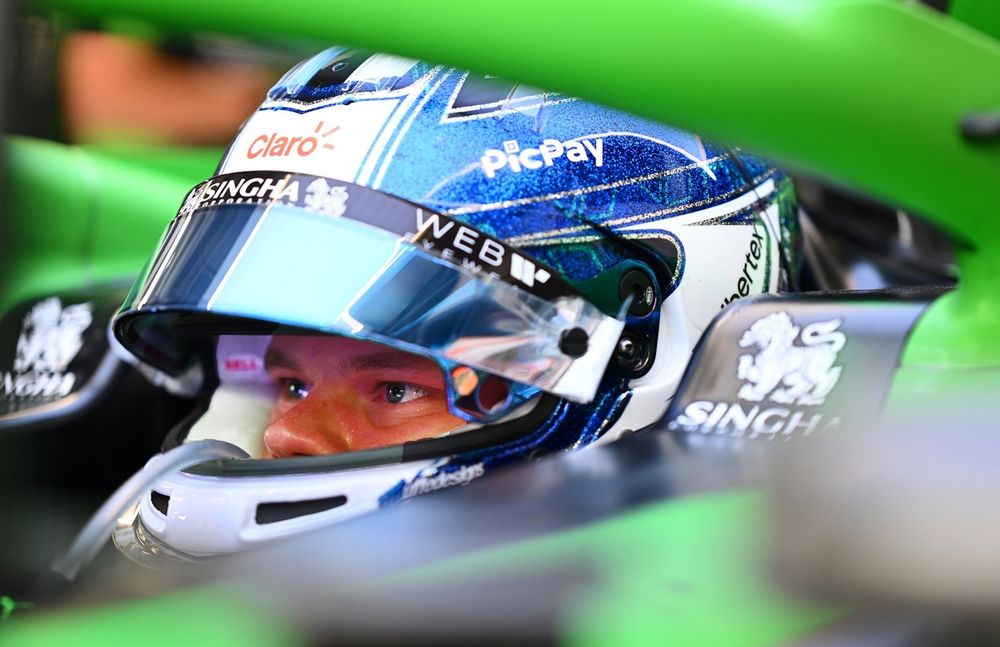

If Lindblad finds his way into the Red Bull team for 2026, the challenge will be determining who gets promoted. Will Yuki Tsunoda or Liam Lawson be left out, and is it worth promoting Isack Hadjar to the lead Red Bull team? These are critical decisions for the teams leading up to the next season.
Paul Aron: Alpine’s Dilemma
Alpine faces a dilemma for 2026. Without experienced options, the team is set to stick with youth. The focus is likely to remain internal: keep Franco Colapinto alongside Gasly or promote Paul Aron. Colapinto’s recent improvements and support from Latin American brands make him a strong candidate. However, if Flavio Briatore decides Colapinto is not the future, Aron may get the call-up.
Aron has been impressive in private TPC testing and consistent in practice sessions with both Alpine and Sauber this year. His performance in Hungary was affected by a powertrain issue, but he has shown promise in F2 last season, competing closely with Gabriel Bortoleto and Isack Hadjar.
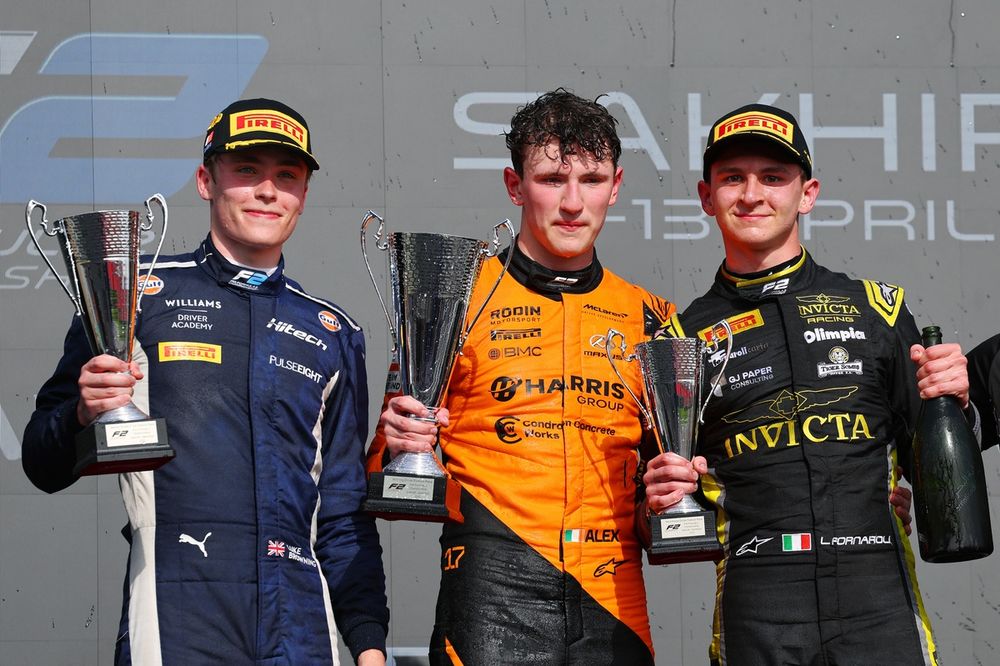
F2’s First-Year Crop: Fornaroli, Browning, and Dunne
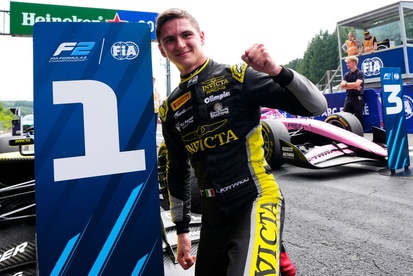
It is hard to justify Lindblad’s place over other drivers currently on the market for an F1 drive in 2026, given the impressive performances of Leonardo Fornaroli, Luke Browning, and Alex Dunne. However, they are unlikely to get a shot unless they secure reserve roles.
Fornaroli, the standout in F2 this year, has demonstrated consistency and decisiveness. Browning has been strong but less consistent, while Dunne has been both impressive and frustrating. Despite some setbacks, Dunne’s potential remains high.
Beyond 2026: Rafael Camara’s Future
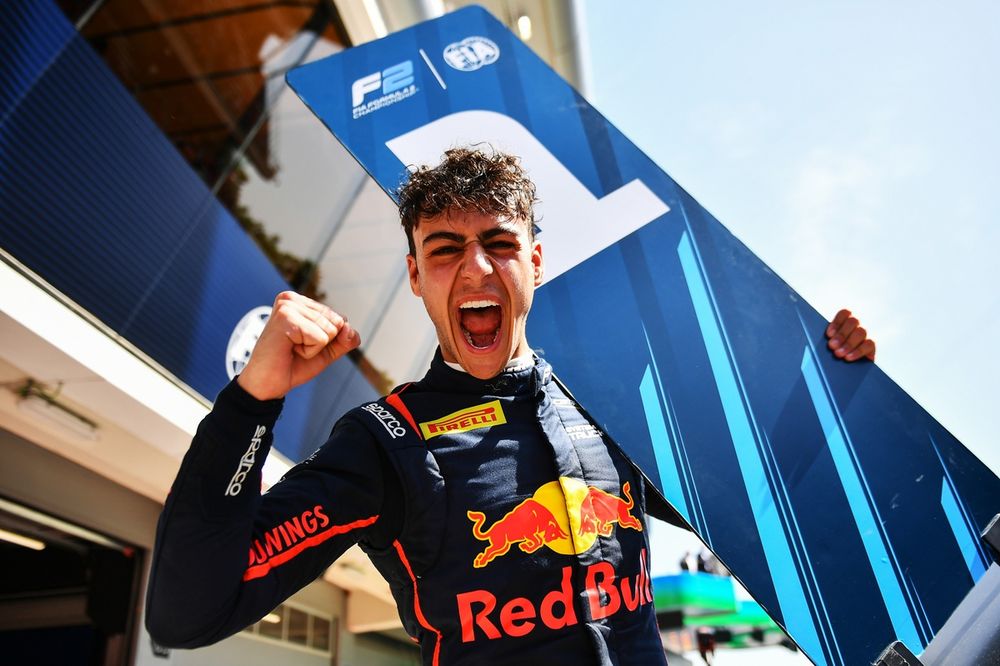
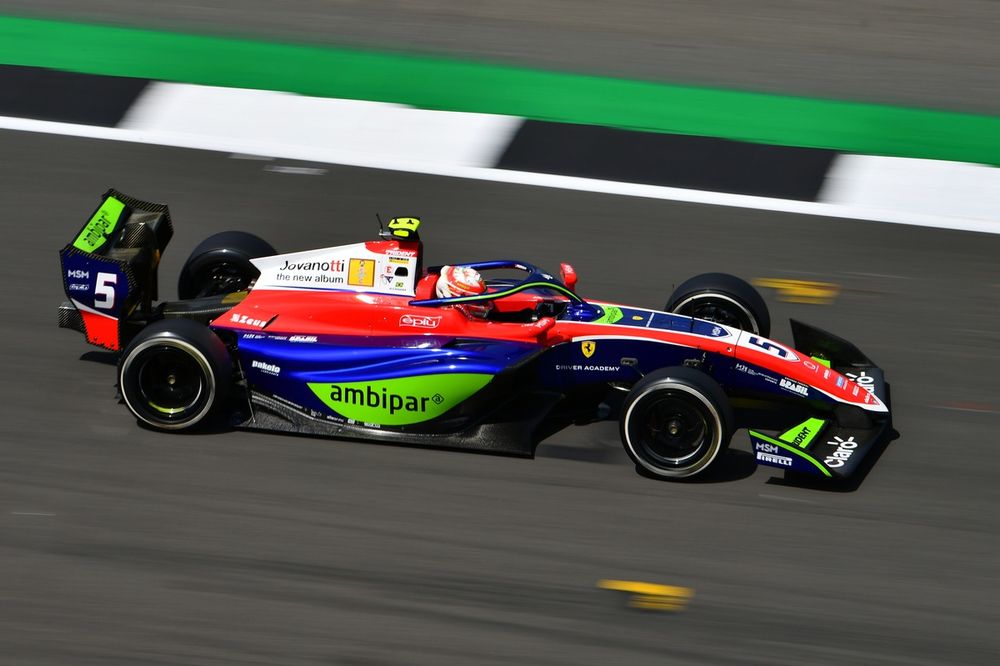
Rafael Camara won the F3 title convincingly, 42 points ahead of Nikola Tsolov. As part of Ferrari’s young driver academy, the 20-year-old Brazilian could be the Scuderia’s next rising star. Camara’s success in F3, including strong qualifying performances, sets the stage for a potential step up to F2 in 2026.
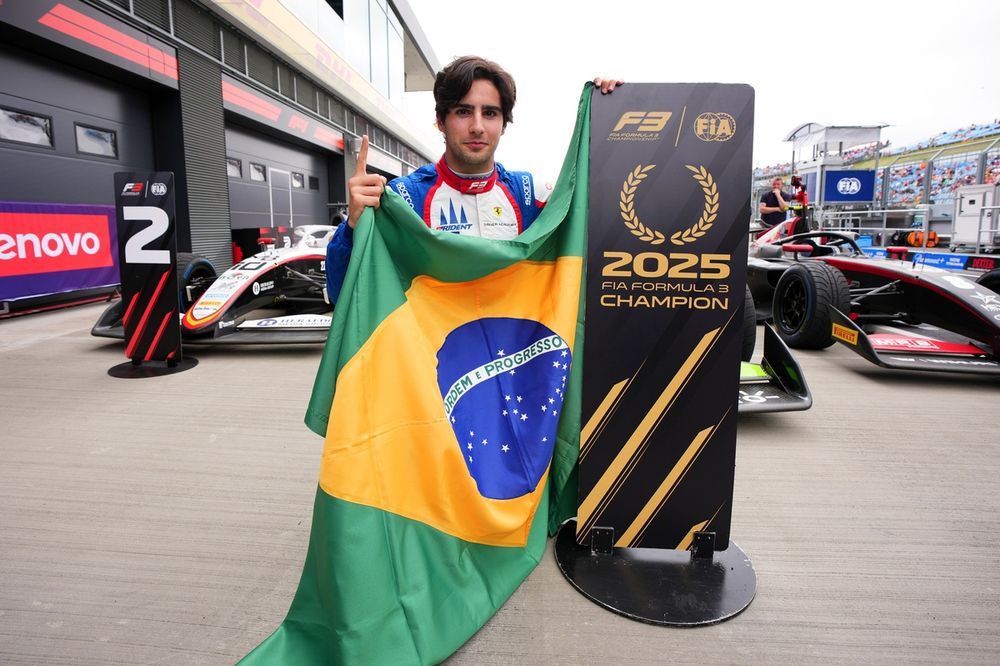
Camara’s challenge will be adapting to F2, where the larger grid and different race formats present new challenges. If he can replicate the progress of previous champions like Bortoleto and Fornaroli, he could become a key contender in the 2027 silly season discussions.
Related posts:

Mother Suffers Daily Allergic Attacks After Drinking Contaminated Coffee Syrup


Challenges of Climate Change in Africa and Lessons from China’s Green Revolution

Senate joint committee finally holds hearing on Ivanhoe deal

True measure of leadership lies not in power, privilege, pageantry – Tinubu at book presentation

