

The Challenge of Toxic Black Mould in Autumn
As autumn sets in and temperatures gradually decrease, many households will face a growing issue: toxic black mould. This persistent problem can be particularly problematic during the colder months when humidity levels remain high. Fortunately, experts suggest a simple and cost-effective solution that may help prevent the growth of this harmful fungus.
A Simple Trick to Combat Mould Growth
According to home and garden expert Andy Ellis from Posh.co.uk, placing a small bowl of salt next to windowsills could be an effective way to combat the conditions that promote mould growth. This method works by addressing the root cause of the problem—excess moisture in the air.
Mould thrives in environments with high humidity, which is often created by everyday activities such as cooking, bathing, and even breathing. These actions release water vapour into the air, leading to condensation on cold surfaces like windows. When this happens, it creates the perfect environment for toxic black mould to grow.
How Salt Helps Prevent Condensation
Salt is a hygroscopic substance, meaning it has the ability to absorb moisture from the surrounding air. By placing a bowl of salt near windows, it can draw in the excess water vapour before it has a chance to condense on the glass. This process can reduce the formation of condensation, making it more difficult for mould to thrive.
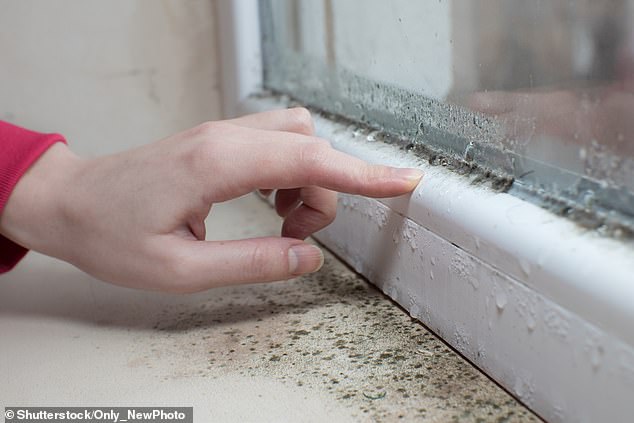

The effectiveness of this method depends on the humidity level in the home. Salt only begins to absorb significant amounts of water vapour when the relative humidity is above 74%. In most British homes, where humidity levels average around 50%, this technique may not be as effective unless there is a high concentration of water vapour in the air.
Practical Tips for Using Salt
Experts recommend using a shallow bowl or small jar filled with salt. The amount needed varies depending on the size of the window, but generally, one small bowl should suffice. It doesn’t matter if you use sea salt, rock salt, or table salt, as all types have similar moisture-absorbing properties.
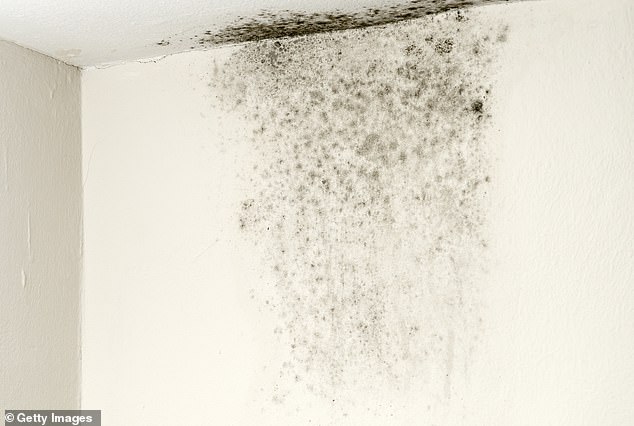

You’ll know it’s time to replace the salt when it becomes damp and starts to clump together. Typically, the same bowl of salt should last a couple of days before needing to be refreshed. This low-cost method requires minimal effort and can be a practical addition to your home maintenance routine.
Other Methods to Prevent Mould Growth
While the salt trick may not work for everyone, there are other proven methods to keep mould at bay. One of the most effective strategies is to keep windows open as much as possible. This allows moist indoor air to escape and be replaced with drier outdoor air, reducing the risk of condensation and mould growth.
However, many people are reluctant to open windows during the winter due to concerns about losing heat. For those determined to tackle mould during the colder months, trying the salt bowl method might be worth considering. It’s a cheap and easy solution that could make a noticeable difference in maintaining a healthier living environment.
The Health Risks of Black Mould
Exposure to toxic black mould can lead to a range of health issues, including respiratory infections, allergies, and asthma. In rare cases, it can even be fatal. Moulds produce allergens, irritants, and sometimes toxic substances, which can cause allergic reactions, such as sneezing, a runny nose, red eyes, and skin rashes.
Black mould is commonly found in humid areas like bathrooms, laundry rooms, and shower cubicles. While not officially recognized by all health organizations, some researchers believe that prolonged exposure to mycotoxins—fungal metabolites—can lead to serious health effects, including immune deficiency and cancer.
Mycotoxins are typically found in food contaminated by mould, such as cereals, nuts, spices, dried fruits, apples, and coffee beans. Exposure can occur through eating infected food or indirectly through animals fed contaminated feed, especially milk.
Conclusion
While the salt trick may not be a universal solution for all homes, it offers a simple and affordable way to address the issue of condensation and potential mould growth. Combining this method with other strategies, such as proper ventilation, can help create a healthier living space. As the battle against toxic black mould continues, staying informed and proactive is essential for protecting your family’s health.


