
A Historic Testimony
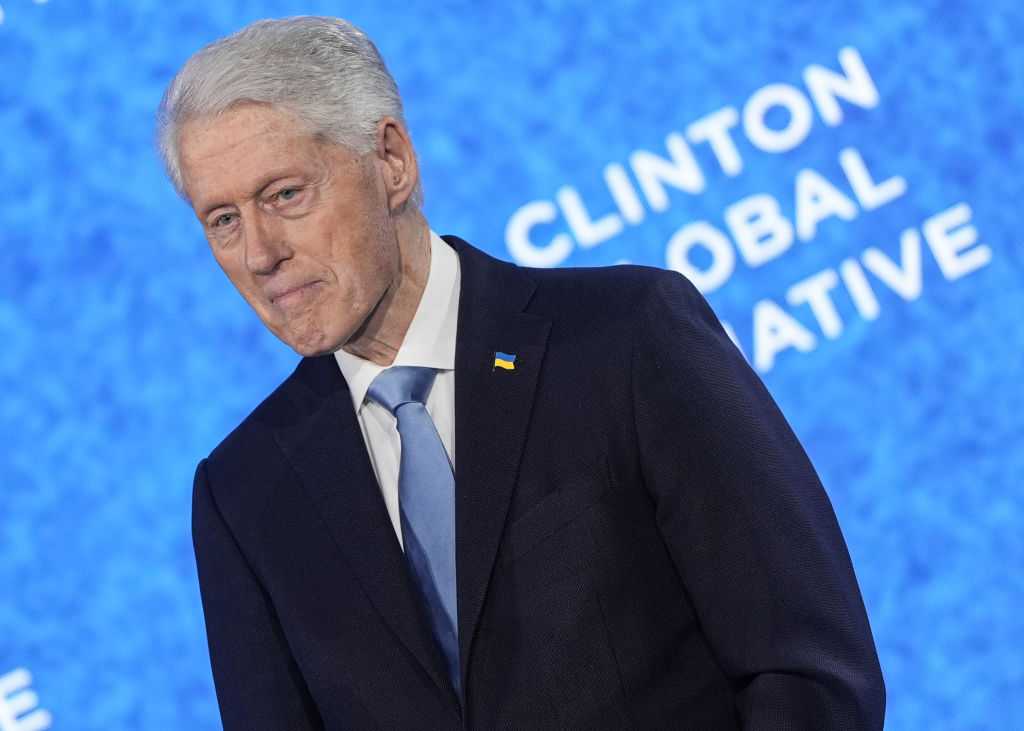
Former President Bill Clinton recently appeared before members of Congress, marking a historic moment as he became the first former president to be compelled to testify in front of a congressional committee. During the closed-door deposition held in Chappaqua, New York, Clinton faced hours of questioning from lawmakers regarding his connections with the disgraced financier Jeffrey Epstein. In an opening statement shared on social media, Clinton asserted that he “did nothing wrong” and saw no signs of Epstein’s alleged sexual abuse during their interactions.
“I saw nothing, and I did nothing wrong,” Clinton stated, emphasizing his position throughout the session. The deposition concluded after more than six hours of rigorous questioning, with Clinton answering every question posed to him. This event followed a similar deposition by his wife, former Secretary of State Hillary Clinton, who had also testified earlier in the week.
Accountability and Public Scrutiny
The scrutiny surrounding Clinton’s relationship with Epstein has raised broader questions about accountability in the United States. Lawmakers are examining how individuals in positions of power have managed to avoid consequences for their actions, especially in light of cases where high-profile figures have been removed from their posts due to connections with Epstein.
Republican Rep. James Comer, chair of the House Oversight Committee, highlighted this issue, stating, “Men — and women for that matter — of great power and great wealth from all across the world have been able to get away with a lot of heinous crimes and they haven’t been held accountable and they have not even had to answer questions.”
Hillary Clinton had previously testified that she had no knowledge of Epstein’s alleged abuses and had no recollection of meeting him. However, Bill Clinton will still need to address his documented relationship with Epstein and his former girlfriend Ghislaine Maxwell, despite the events occurring in the late 1990s and early 2000s.
The Context of the Deposition
Republicans have long sought to question Bill Clinton about Epstein, particularly following conspiracy theories that emerged after Epstein’s 2019 suicide while facing sex trafficking charges. The interest in this matter intensified when photos of Clinton surfaced in the Department of Justice’s release of case files on Epstein and Maxwell. These images included Clinton seated on a plane with a redacted woman and in a pool with Maxwell.
Epstein visited the White House multiple times during Clinton’s presidency, and the two engaged in several international trips together for humanitarian work. Comer claimed the committee has evidence showing Epstein visited the White House 17 times and that Clinton flew on Epstein’s airplane 27 times.
Political Tensions and Calls for Transparency
Democratic lawmakers also posed challenging questions to Clinton about his relationship with Epstein and Maxwell. Clinton expressed uncertainty about specific events from over 20 years ago but remained confident that he had not witnessed any signs of abuse. Despite this, Republicans were eager to scrutinize the former president under oath.
“No one’s accusing anyone of any wrongdoing, but I think the American people have a lot of questions,” Comer said, reflecting the public’s curiosity about the former president’s involvement.
Democrats have argued that this precedent should apply to President Donald Trump, who had his own connection with Epstein. Rep. Robert Garcia, the top Democrat on the committee, urged Trump to “man up” and answer questions about his relationship with Epstein. However, Comer has pushed back against this idea, noting that Trump has already answered questions about Epstein from the press.
Broader Implications
Trump expressed regret at seeing Clinton forced to testify, stating, “I like Bill Clinton, and I don’t like seeing him deposed.” Meanwhile, Democrats are calling for the resignation of Trump’s Commerce Secretary Howard Lutnick, who had a history with Epstein. Although Lutnick claimed to have severed ties with Epstein after a 2005 tour, evidence showed he attended events with Epstein later on.
Lawmakers are pushing for Lutnick to come before the committee, with some suggesting that a subpoena may be necessary. Republican Rep. Nancy Mace and Democratic Rep. Ro Khanna have both voiced support for this action, indicating potential bipartisan efforts to hold individuals accountable.
Conclusion
The deposition of Bill Clinton has sparked significant debate and highlighted the complexities of accountability for those in positions of power. As the investigation continues, it remains to be seen how these developments will impact future political discourse and the pursuit of justice.


