
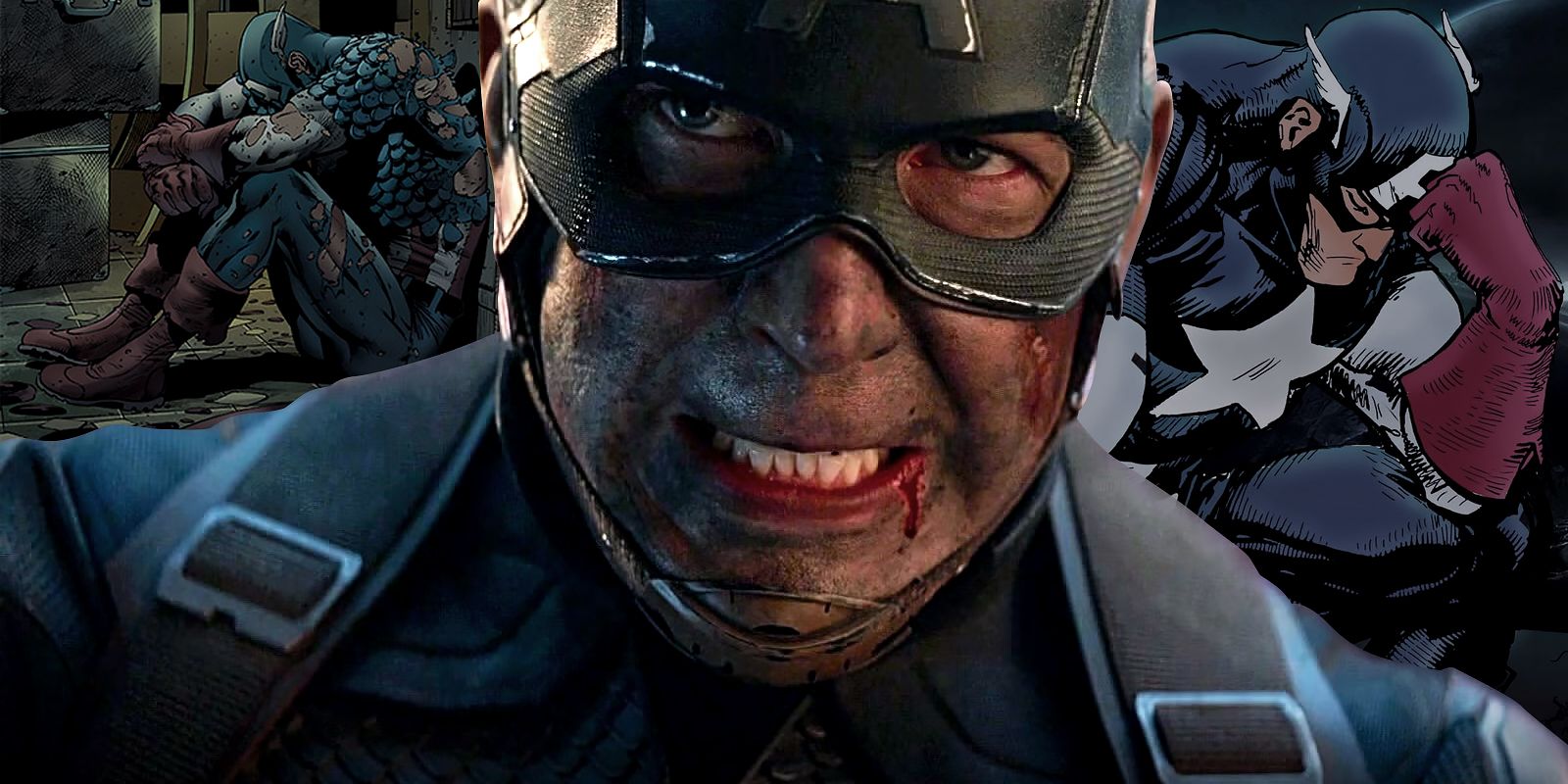
is an icon of heroism, a defender of liberty, and a protector of the innocent. Whether the shield is carried by Steve Rogers, Sam Wilson, or anyone else, Captain America represents the best of American ideals, as was the intention when the character was created by Joe Simon and Jack Kirby in 1940.
A character draped in a nation’s flag is permanently tied to the real world, but what happens when that character is brought into the modern era of murky politics? As a hero whose very existence makes political parallels unavoidable, what is the deeper meaning behind Captain America’s disillusionment? What does it signify when the nation’s hero relinquishes that title?
Captain America Retired In Pursuit of Sharon Carter
Tales of Suspense #95 (November 1967)


out of their mutual sense of duty. The decision prompts Cap to retire after his next mission, going so far as to unmask and name himself in front of a random goon he beats up, announcing his retirement and identity to the world.

Related
Marvel Gives Sharon Carter a Dramatic New Costume and Skull-themed Mask
Sharon Carter gets a brand-new costume courtesy of artist Carmen Carnero for Captain America: Cold War, a new Marvel event launching in April 2023.
While undoubtedly an absurd and somewhat arbitrary way to inject drama into Cap’s life, this was the Silver Age of Comics, where big, dramatic tales with little consequence were how books made it to publication each month. Steve’s retirement, of course, doesn’t last long, as the mob targets him in his civilian identity for revenge. But it’s Col. Nick Fury telling Steve he was born to be Captain America that convinces him to take up the shield again. The story is cheesy, rushed, and entirely disconnected from the larger political meanings of Captain America quitting the role that would emerge in later decades.
When Captain America Became The Nomad, a Man Without a Country
Captain America #180 (December 1974)

, a man without a country.
It’s no surprise this storyline came amid the infamous Watergate scandal, a true flashpoint of modern politics that led to Nixon’s impeachment and resignation. Eventually, Steve rededicates himself to being Captain America, fighting for the dream rather than the office. Due to Marvel’s sliding timescale, a modern Cap would have awoken from the ice long after Watergate, but by having the Sentinel of Liberty live through and be shaped by its fallout, readers witness a true transformation in the character. The Secret Empire serves as an allegory for Watergate itself, with Steve reflecting the American people’s growing disillusionment with their government.
Captain America Was Replaced by John Walker, the Super-Patriot
Captain America #332 (August 1987)

. Steve is given an ultimatum: become an agent of the Commission or relinquish his shield. He ultimately refuses, unwilling to conform to an agenda he doesn’t believe in.

Related
Thunderbolts: Wyatt Russell Updates Fans on US Agent’s MCU Return
The Falcon and the Winter Soldier star Wyatt Russell reveals whether he knows if his MCU character US Agent is in the upcoming Thunderbolts movie.
, allowing Rogers’ optimistic patriotism to be contrasted against Walker’s darker and more violent nationalism, culminating in Walker spiraling into homicidal madness and Rogers taking back the shield. The contrast between Steve Rogers and John Walker highlights what makes Captain America such a powerful figure when a writer fully embraces the complexities of the character.
Exiled from the United States
Captain America #450 (April 1996)

with Steve presumed dead after the super-soldier serum in his body completely shut down, but those threads wouldn’t be left hanging for long. Incoming writer Mark Waid quickly picked up the pieces, having Steve regain his powers through a blood transfusion from none other than the Red Skull. The two bitter enemies then join forces to defeat a Cosmic Cube–revived Adolf Hitler, with the mind-bending comic book escapades soon giving way to Steve’s sobering exile from his own country.
Despite saving the world from Hitler’s return, Steve is charged with treason, stripped of his role as Captain America, and exiled from the U.S. by the president, who is clearly Bill Clinton this time. The idea of Captain America being exiled has plenty of potential, even decades after its introduction, with Steve donning a rough-looking makeshift costume and wielding an energy shield. But it doesn’t last. Just three issues later, he salvages his reputation and returns to the U.S. to bring the series to a close in time for the reality-warping events of
Captain America Gets Gunned Down After the Superhero Civil War
Captain America, vol. 5 #25 (April 2007)

a storyline with lasting repercussions across the Marvel Universe.

Related
New Thunderbolts* Images Tease Bucky Barnes’ Tense Interactions With Titular Team
The latest preview of Thunderbolts* sees Bucky Barnes making things uncomfortable for the eponymous anti-hero group.
remains the most disillusioned Steve has ever been with his government.
The Rise of Sam Wilson
Captain America, vol. 7 #25 (December 2014)

, rapidly aging him and ending his career. Now reflecting his true age as a 90-year-old man, Steve simply couldn’t endure the physical toll of heroism anymore, passing the mantle to Sam Wilson, the Falcon and his longtime partner.
the key difference is that in the comics, Steve’s aging was forced upon him, a reflection of the never-ending battle that all superheroes face being temporarily disrupted. Popular characters must be published indefinitely, so their stories can never truly end, only change temporarily. Steve Rogers could never permanently stop being Captain America, but Sam Wilson’s inheritance of the shield allows the mythology to evolve, keeping the character eternally relevant.
The Fall of Sam Wilson
Captain America: Sam Wilson #21

, it was Nick Spencer who examined what a Black man would face as the nation’s symbol. If you’re familiar with modern comics, you likely know the twist: a repowered Steve Rogers was revealed to be a Hydra sleeper agent, secretly under the Red Skull’s control all along. But the deeper twist was that the true Steve had been replaced by his Hydra impostor, who was now convincing both the heroic community and the world of Hydra’s supposed benefits.
If Steve’s Captain America is a symbol of a great country pushing forward, then let Sam Wilson’s Captain America be a reminder of the people it’s leaving behind.
has ever been.
Steve Rogers: Captain of Nothing
Captain America vol. 9 #7 (March 2019)

written by award-winning author Ta-Nehisi Coates. Coates makes it clear that Hydra, serving as an allegory for the current administration at the time, was unquestionably evil, but certain people still benefited from its rule after feeling ignored by their country for years.
, recognizing that he and the government have been at cross purposes for years. Instead, he chooses to fight as himself. But as always, other stories by other writers have since brought Rogers back into the uniform, now sharing the title of Captain America with Sam Wilson.
The MCU Captain America’s Retirement
Avengers: Endgame (2019)
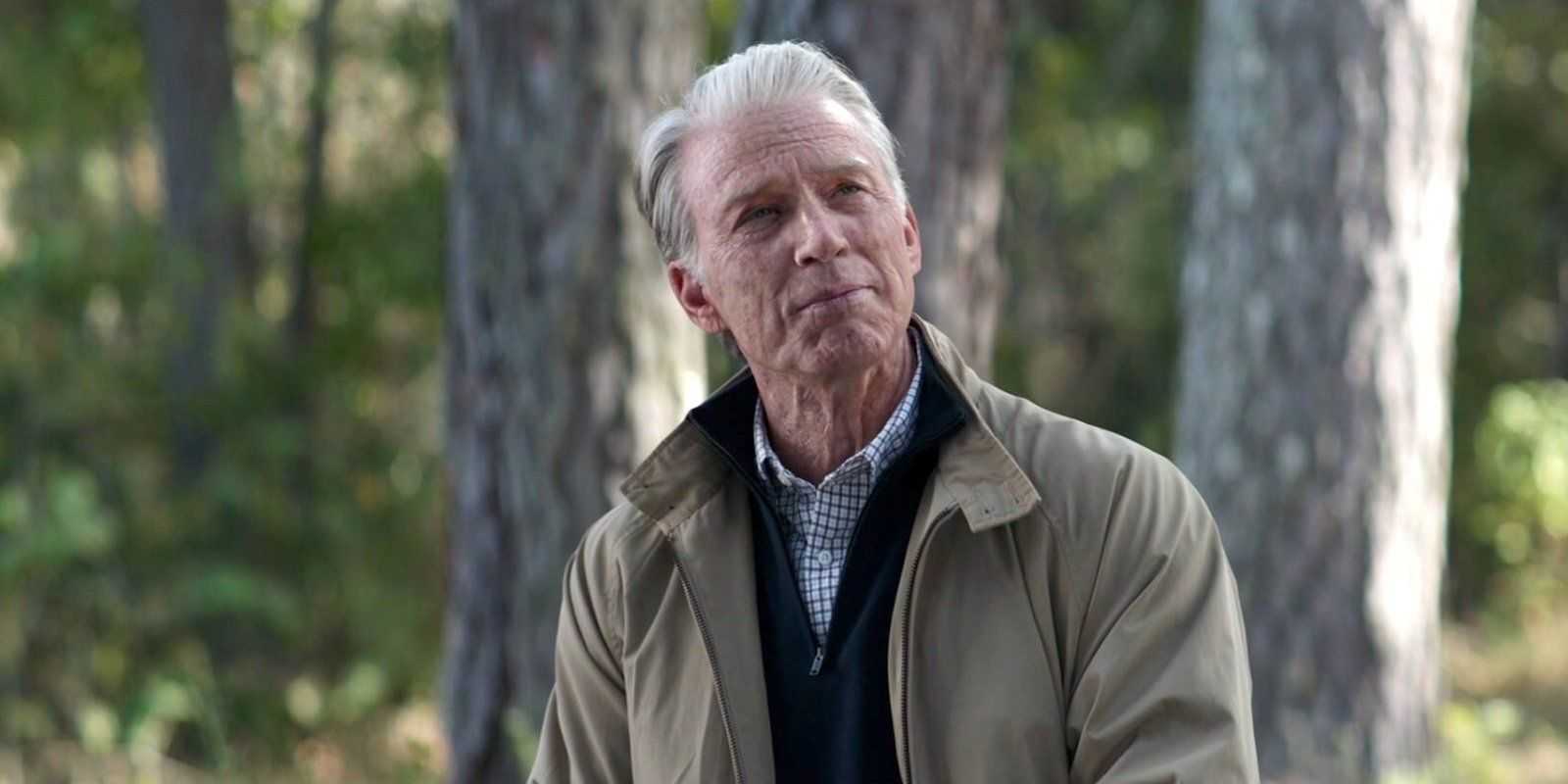
. His retirement as the MCU’s Steve Rogers highlighted how different the comic and movie versions of the character truly are, with movie-Steve choosing a peaceful domestic life, something comic-Cap could never fully embrace.

Related
Captain America: Brave New World Expected to See Big Second Weekend Dropoff
Captain America: Brave New World looks set for a significant second wekend dropoff, though there is some good news for the MCU film.
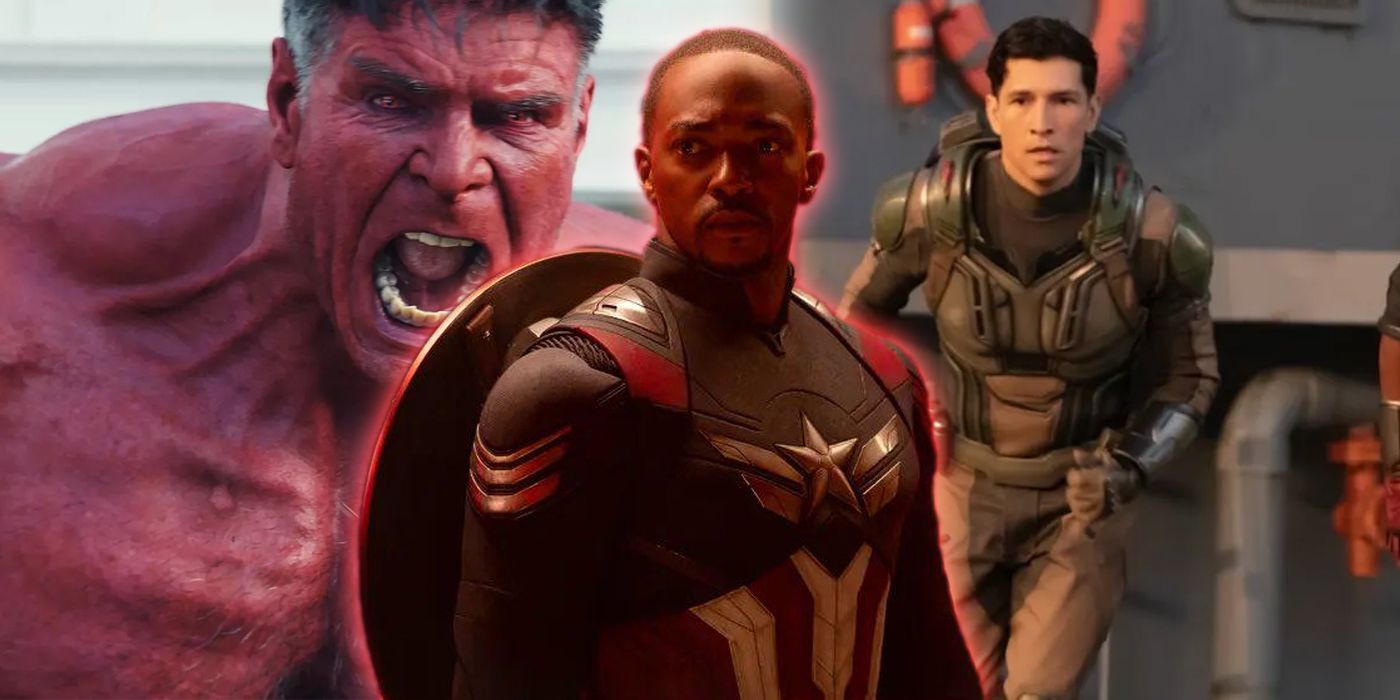
The MCU’s positioning of the Avengers as a militaristic response team also strips Cap’s retirement of any deeper political meaning. There’s no protest, no ideological struggle; just a happy ending for a character stepping aside for his successor. That divergence has given Sam Wilson’s time as Captain America even greater relevance, as he must navigate being both the face of a franchise and a nation at a time when both are more divided than ever.


