
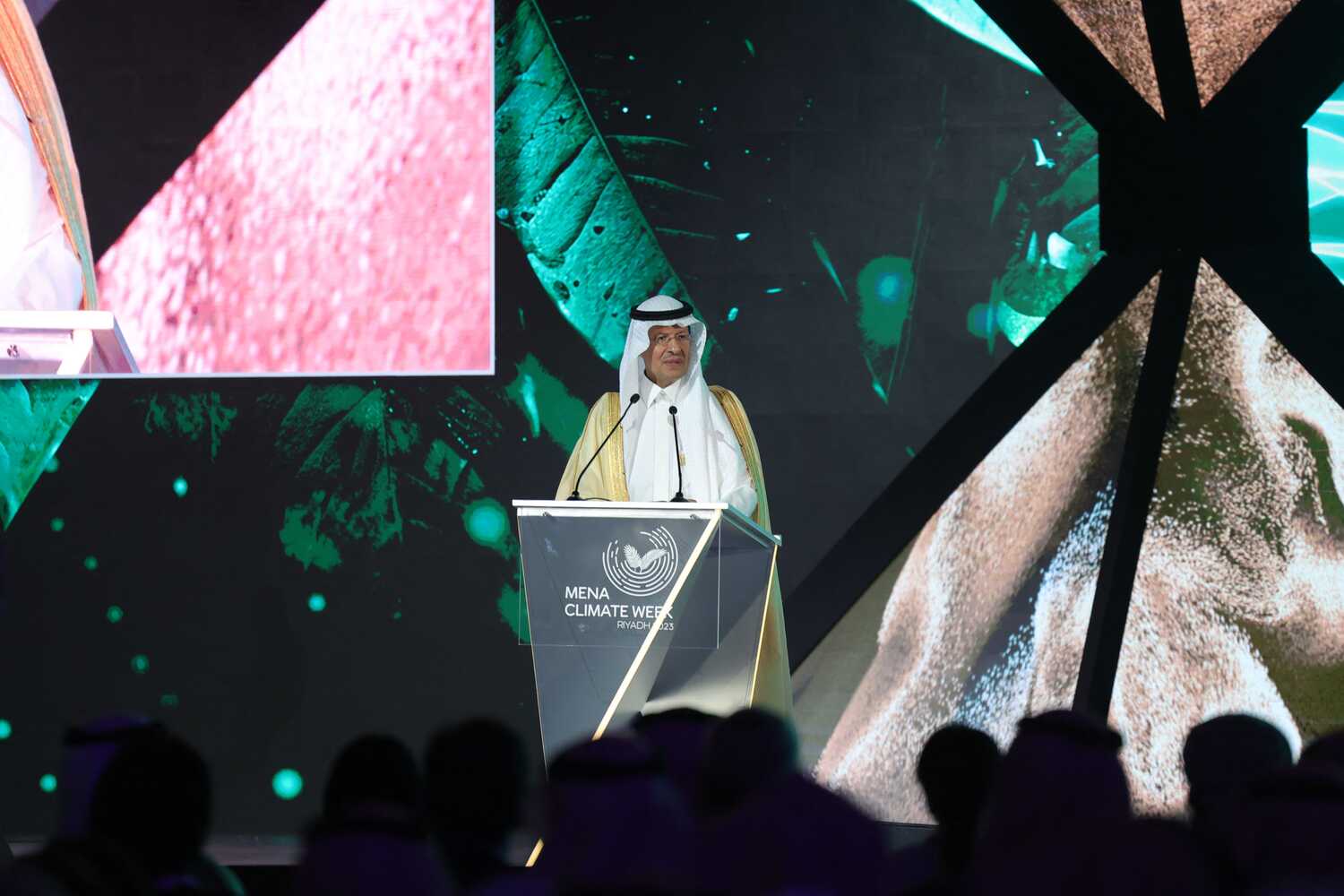
The Growing Presence of Fossil Fuel Lobbyists at COP30
The 30th session of the Conference of the Parties (COP30) to the United Nations Framework Convention on Climate Change (UNFCCC), held in Belém, Brazil, has drawn significant attention due to the overwhelming presence of fossil fuel lobbyists. New analysis reveals that over 1,600 representatives from the fossil fuel industry have been granted access to the climate talks, marking a worrying trend in the influence of corporate interests over global climate negotiations.
This number represents one in every 25 participants at the conference, with only Brazil’s delegation surpassing this figure in terms of size. This is a 12% increase compared to last year’s climate talks in Baku, Azerbaijan, and the highest concentration of fossil fuel lobbyists observed since the Kick Big Polluters Out (KBPO) coalition began monitoring these events.
Key Findings from the Analysis
The analysis conducted by KBPO highlights several alarming trends:
- Disproportionate Representation: Fossil fuel lobbyists outnumber official delegates from the Philippines by nearly 50 to 1, despite the country facing devastating typhoons as the UN climate talks are underway.
- Vulnerable Nations Outnumbered: The number of fossil fuel lobbyists exceeds the combined total of delegates from the ten most climate-vulnerable nations by two-thirds.
- Influence Through Trade Associations: Major trade associations, such as the International Emissions Trading Association, serve as primary channels for fossil fuel influence, with representatives from major oil and gas companies like ExxonMobil, BP, and TotalEnergies attending the event.
- Behind-the-Scenes Access: Approximately 599 lobbyists gained access through Party overflow badges, allowing them behind-the-scenes access to the inner workings of the negotiations.
Global North Countries and Fossil Fuel Delegates
Several countries from the Global North have included fossil fuel representatives within their official delegations:
- France brought 22 fossil fuel delegates, including five from TotalEnergies, among them CEO Patrick Pouyanné.
- Japan‘s delegation contained 33 fossil fuel lobbyists, including representatives from Mitsubishi Heavy Industries and Osaka Gas.
- Norway included 17 fossil fuel lobbyists, among them six senior executives from Equinor, its national oil and gas giant.
Despite the overall smaller attendance at COP30 compared to previous years, the proportion of fossil fuel lobbyists has increased significantly.
Reactions from Civil Society and Activists
The findings have sparked strong reactions from civil society groups and activists, who argue that the presence of fossil fuel lobbyists undermines the integrity of the climate negotiations:
- Jax Bongon, a member of IBON International in the Philippines, stated: “It’s common sense that you cannot solve a problem by giving power to those who caused it. Yet three decades and 30 COPs later, more than 1,500 fossil fuel lobbyists are roaming the climate talks as if they belong here.”
- Ana Sánchez of Global Energy Embargo for Palestine (GEEP) drew parallels between fossil fuel industry presence and global violence: “The fossil fuel industry and the Israel colonial regime are two sides of the same coin of destruction.”
Calls for Accountability and Reform
The growing presence of fossil fuel lobbyists at COP30 has intensified calls for accountability and reform. Activists argue that the UNFCCC must implement clear conflict of interest policies and enforceable accountability measures to protect the integrity of climate negotiations.
- Pat Bohland, co-focal point of the Women and Gender Constituency, emphasized: “At the 10th anniversary of the Paris Agreement, we, the people, need to be consulted on how to close the ambition gap left by Parties to reach the Agreement’s central target of 1.5°C.”
- Liliana Buitrago of Pacto Ecosocial del Sur added: “The tentacles of extractive corporations are spreading across discussion tables and decision-making spaces, contributing to an irreparable climate inaction.”
Additional Quotes from Activists
- Ivonne Yanez, Accion Ecologica, Ecuador: “Every fossil fuel lobbyist’s entry into UNFCCC is a betrayal of the process, as they are the polluters who caused this crisis and yet are given front row seats to decide our very future.”
- Rachitaa Gupta, Global Coordinator, Global Campaign to Demand Climate Justice: “COP30 has become a marketplace for corporate greenwashing, not a platform for climate justice.”
- Ranjana Giri, Asia Pacific Forum on Women, Law and Development (APWLD): “A just and equitable transition must begin with accountability for historical and ongoing emissions.”
Conclusion
The findings underscore the urgent need to protect the UN’s climate negotiations from corporate capture. As the world faces unprecedented climate challenges, the presence of fossil fuel lobbyists at COP30 raises serious concerns about the ability of the conference to deliver meaningful climate action. Civil society continues to demand stronger safeguards to ensure that the voices of affected communities and the principles of climate justice are prioritized over corporate interests.


